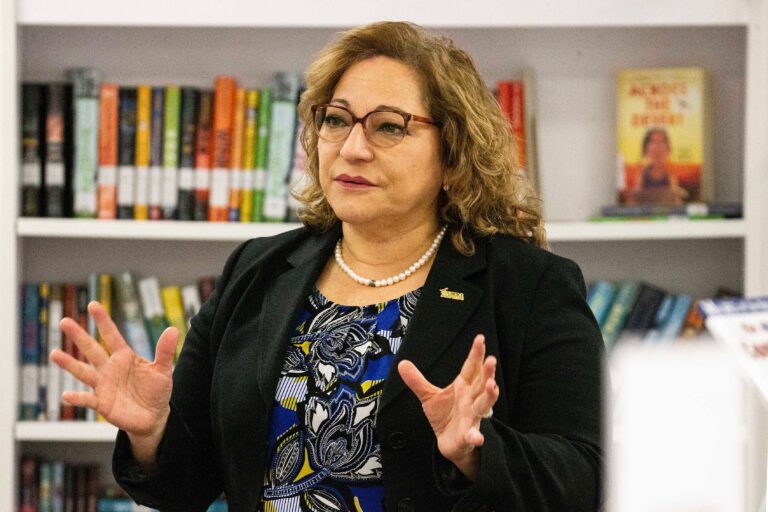
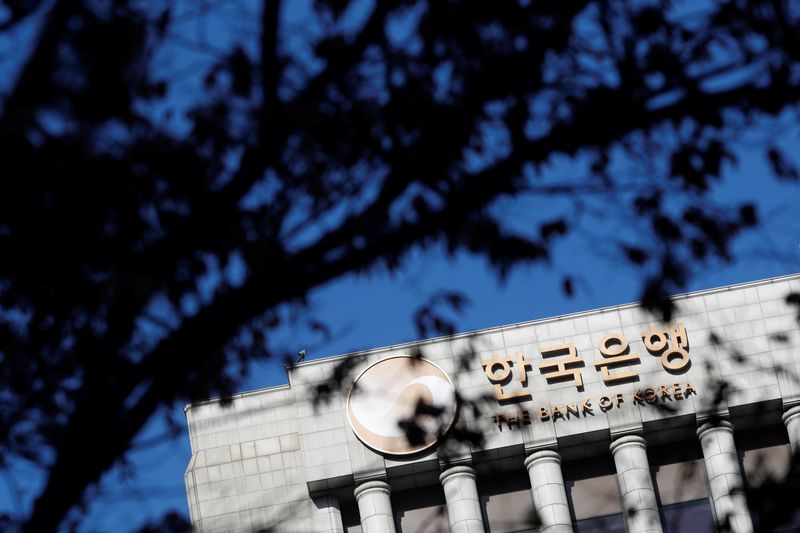
Appointment of Shin Hyun-song as New Governor of the Bank of Korea
South Korean economist Shin Hyun-song, renowned for his accurate prediction of the 2008 Global Financial Crisis, has been appointed to lead the country’s central bank. This decision comes as the nation grapples with economic challenges stemming from slow domestic growth and the ongoing conflict in the Middle East.
President Lee Jae Myung has selected Shin, who currently serves as the head of the economic department at the Bank for International Settlements (BIS), to replace Rhee Chang-yong as the governor of the Bank of Korea (BOK) when his term concludes on April 20. The BOK announced this development, highlighting Shin’s commitment to a “balanced” policy approach that considers inflation, growth, and financial stability.
Shin emphasized the increasing volatility in financial and foreign exchange markets, as well as the uncertainty surrounding the economic outlook. He noted that recent developments in the Middle East have heightened these concerns, underscoring the interconnectedness of global and domestic economic conditions.
Challenges Ahead for Shin Hyun-song
Shin faces immediate challenges, including inflation driven by the Middle East situation and uneven economic growth. A spokesperson from the presidential Blue House stated that Shin’s expertise will be particularly valuable given the current circumstances. His appointment coincides with a period where policymakers must navigate a delicate balance between supporting economic growth and managing financial stability risks, especially with surging household debt and the impact of the Iran war.
Despite the success of high-tech sectors such as semiconductors, recovery remains uneven, with traditional industries like steel and petrochemicals struggling due to weak external demand. The BOK maintained its benchmark interest rate at 2.50% in February and indicated it may keep rates steady until at least August this year.
A Hawkish Approach to Economic Policy
Many of Shin’s previous statements have focused on the need for significant policy efforts to reduce leverage amid rising household debt. His goal is to prevent another financial crisis and curb property price increases in Seoul. An official who worked with Shin at the BIS described him as more of a hawk than a dove, noting that his academic work has consistently highlighted the dangers of over-leveraging.
A finance ministry official praised Shin’s accomplishments, stating that he is one of the most respected economists in South Korea. The official also highlighted Shin’s humble character and positive interactions during visits to the BIS.
Background and Experience
Shin, 66, will undergo a confirmation hearing in the National Assembly, although lawmakers do not have the power to veto the president’s nomination. In a recent report, Shin expressed the view that if the economic disruption is a supply shock and temporary, monetary policy should not react immediately. He emphasized that the duration of the conflict and the sustainability of oil price increases will determine the appropriate response.
Shin and Indian economist Raghuram Rajan warned about systemic vulnerabilities at a U.S. Federal Reserve conference in August 2005. They used the metaphor of the London Millennium Bridge to illustrate potential risks that could trigger a global financial crisis.
Connections and Legacy
Shin, a former Princeton University professor, has close ties with many BOK officials, including Rhee, having regularly participated in the bank’s symposiums. His tenure as BOK governor can be extended for a four-year term only once.
The appointment of Shin Hyun-song marks a significant shift in the leadership of South Korea’s central bank, bringing in an economist with a strong track record of forecasting economic downturns and a deep understanding of financial stability issues. As he steps into his new role, Shin will face the challenge of navigating complex economic conditions while maintaining the stability of the South Korean economy.