Markets Rally as Trump Signals Possible End to Iran Conflict
Asian Markets Show Signs of Recovery
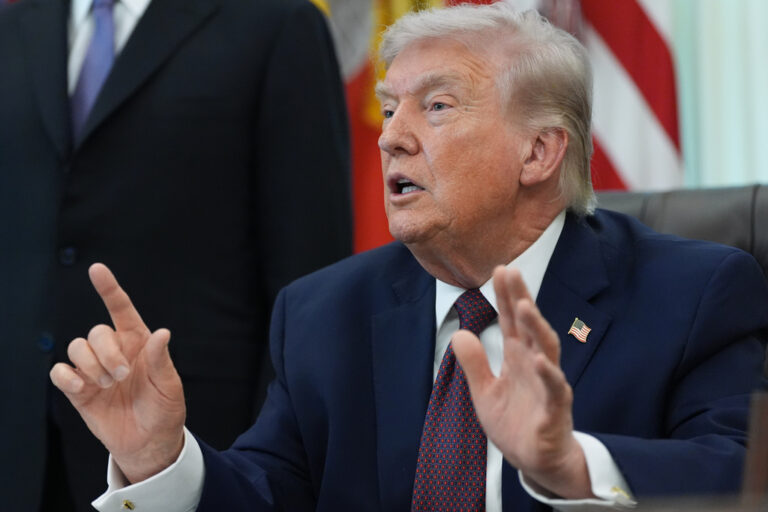
Asian benchmarks experienced a notable rebound on Tuesday, reflecting a sense of cautious optimism that resonated through Wall Street following President Donald Trump’s comments about potential discussions between the United States and Iran regarding an end to their conflict.
Japan’s benchmark Nikkei 225 saw a rise of 1.1% in afternoon trading, reaching 52,102.08, which marked a recovery from the losses it had incurred the previous day. This positive trend was partly driven by Toyota Motor Corp., whose stock price increased by 0.9% after the company announced its investment of $1 billion in its Kentucky and Indiana auto plants. This move is part of a broader plan to invest up to $10 billion in the U.S. over the next five years, as previously announced in November. Japanese manufacturers have been keen to demonstrate their commitment to supporting American jobs and economic growth.
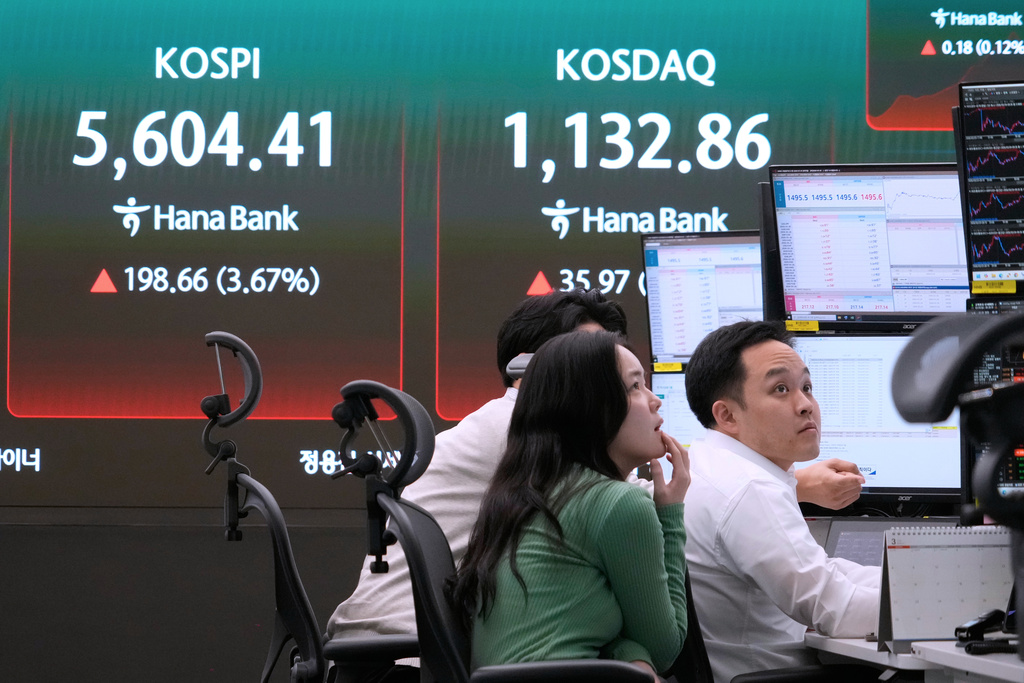
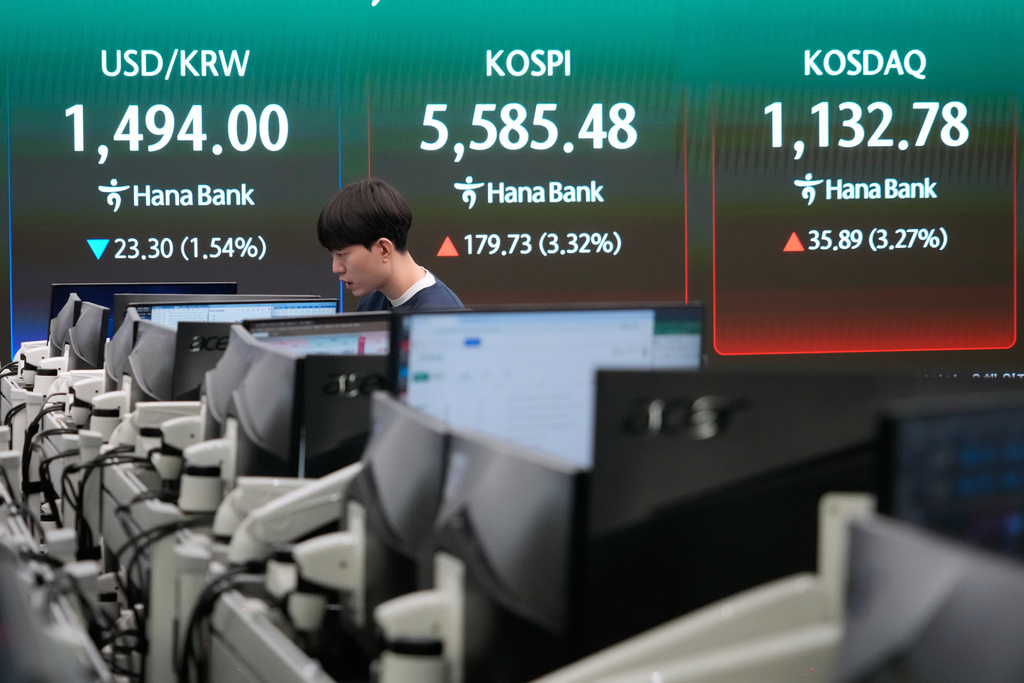
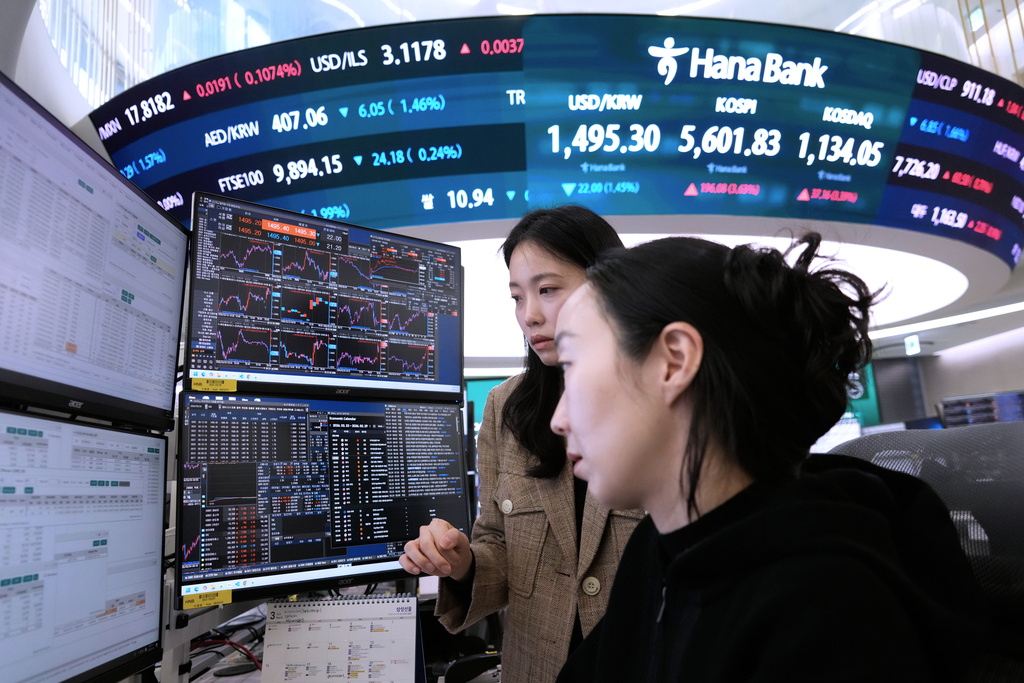
Australia’s S&P/ASX 200 climbed 0.2% to 8,379.40, while South Korea’s Kospi recorded a modest gain of 2.7% to 5,550.95. Hong Kong’s Hang Seng surged 2.2% to 24,908.00, and the Shanghai Composite added 1.3% to 3,862.39. These movements highlight the ongoing volatility in global markets, particularly in Asia, where concerns over the war in Iran have had significant implications.
The situation in Iran, which began in late February, has led to heightened anxiety, especially for nations reliant on the Strait of Hormuz, a critical route for energy shipments from the Middle East. The recent developments have underscored the region’s vulnerability to disruptions in this vital waterway.
Energy Markets Respond to Geopolitical Developments
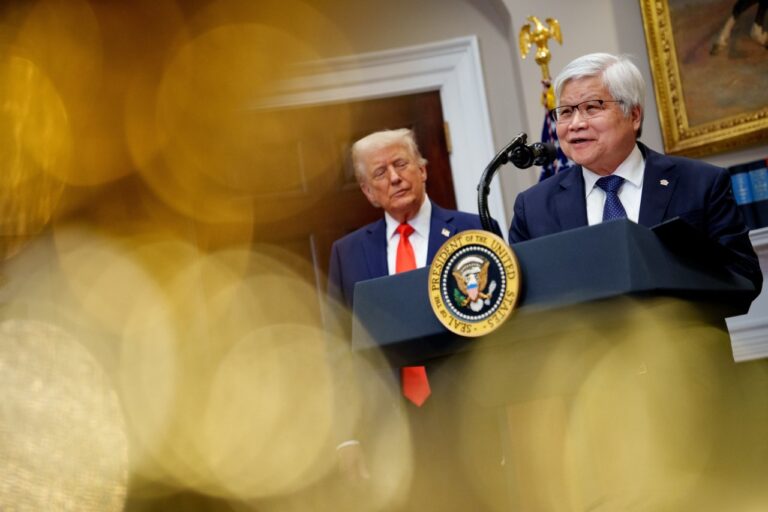
In energy trading, benchmark U.S. crude oil rose by $3.16 to $91.29 per barrel. Brent crude, the international standard, increased by $2.90 to $102.84 per barrel. This upward trend followed a period of easing on Wall Street after Trump indicated that the U.S. and Iran had engaged in productive talks “regarding a complete and total resolution of our hostilities in the Middle East” over the past two days.
However, Iran denied these discussions took place, with Iranian parliament speaker Mohammad Bagher Qalibaf stating that “fakenews is used to manipulate the financial and oil markets” in a post on X. Despite these denials, analysts like Michael Brown, senior research strategist at Pepperstone, noted that while there is still a long way to go before a ceasefire is reached, the recent developments represent a step forward.
Market Volatility and Economic Indicators
Over the weekend, Trump had threatened to “obliterate” Iran’s power plants if the country did not open up the Strait of Hormuz within 48 hours. The narrow waterway off Iran’s coast has become a focal point for Trump and the economy due to the disruption in traffic, which is hindering oil tankers from leaving the Persian Gulf to supply customers globally.
On Monday, the S&P 500 rose 74.52 points to 6,581.00, while the Dow Jones Industrial Average saw a surge of nearly 1,135 points during the morning, eventually finishing with a gain of 631, or 1.4%, to 46,208.47. The Nasdaq composite also jumped 299.15, or 1.4%, to 21,946.76. Stocks of smaller companies were also strong, with the Russell 2000 index of smaller stocks rising a market-leading 2.3%.
Treasury yields showed some easing in the bond market following Trump’s announcement. The yield on the 10-year Treasury fell to 4.35% on Monday from 4.39% late Friday. However, it remains significantly higher than its 3.97% level from just before the war.
In currency trading, the U.S. dollar edged up to 158.66 Japanese yen early Tuesday from 158.35 yen. The euro cost $1.1581, down from $1.1610.