
Lamborghini CEO Cites Charging Network as EV Demand Stalls
Lamborghini CEO’s Concerns Highlight the Challenges of Luxury EV Adoption
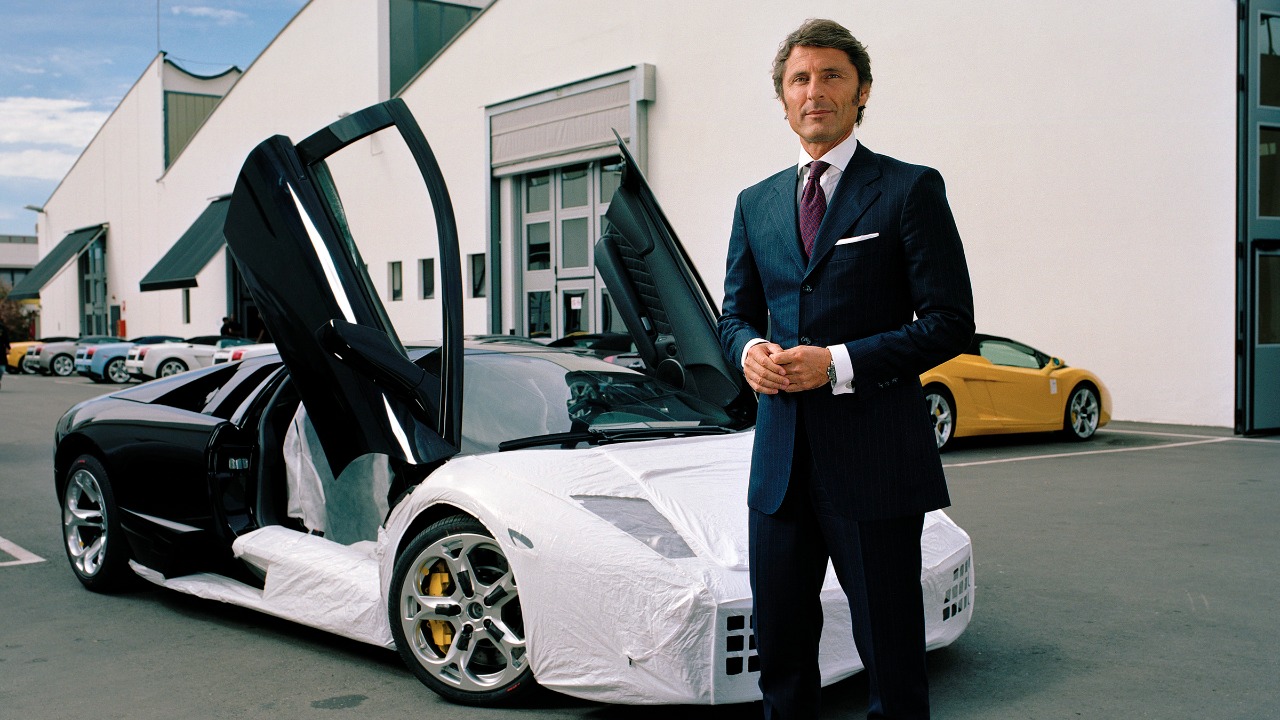
Lamborghini CEO Stephan Winkelmann has identified inadequate charging infrastructure as a major factor in luxury buyers’ reluctance to embrace fully electric vehicles (EVs). This perspective has prompted the Italian supercar manufacturer to scale back its battery-electric vehicle (BEV) plans and instead focus on plug-in hybrids. This shift mirrors a broader trend among high-end automakers, who are reevaluating their timelines for full electrification even as the U.S. government invests heavily in expanding public charging networks.
The Shift from Full Electrification
Winkelmann’s comments reflect a growing sentiment within the luxury automotive sector. He told WIRED that acceptance of full-electric cars in Lamborghini’s market segment is “going almost to zero.” This statement underscores a pattern that has been developing over time. According to Reuters, Winkelmann had already delayed the launch of Lamborghini’s first EV from 2028 to 2029, citing that the luxury sports-car market was not yet ready for full electrification.
The Lanzador concept, which was initially intended to be an all-electric model, has now been reimagined as a plug-in hybrid. While some reports suggest it may still be in development for a later date, others indicate a more permanent pivot away from the original plan. Regardless of the timeline, the direction is clear: Lamborghini is prioritizing hybrid technology for the foreseeable future.
Financial Success with Hybrid Models
Lamborghini’s decision to move toward hybrid models is not driven by financial weakness but rather by strategic success. The company reported strong financial results in the first half of 2025, attributing much of this performance to its hybrid strategy. Every current production model features some form of electrified powertrain, though none rely solely on batteries. The Revuelto and Temerario, for example, combine combustion engines with electric motors to enhance performance while avoiding the need for public charging stations.
This approach allows Lamborghini to meet European emissions standards without compromising the driving experience that its customers expect. For a brand whose clientele often drives on remote roads and across long distances, the limitations of the current charging network pose a real business risk. By focusing on hybrids, Lamborghini has effectively managed this challenge.
The Charging Infrastructure Gap
Winkelmann’s concerns about charging infrastructure are not unfounded. Data from the U.S. Department of Energy shows that charging stations are concentrated in urban areas and coastal regions, with significantly less coverage in rural and highway areas where affluent car owners are likely to take their vehicles for long drives. While federal programs like the National Electric Vehicle Infrastructure (NEVI) aim to expand highway-corridor charging, the current network still falls short of what is needed for a practical EV experience.
Even when chargers are available, they may not offer the high power levels required to quickly recharge large batteries. This can disrupt the seamless, spontaneous driving experiences that luxury car buyers expect. Winkelmann’s argument, while influenced by his company’s interests, highlights a real gap between the needs of high-end EV buyers and the current state of infrastructure.
A Trend Among Luxury Brands
Lamborghini is not alone in its shift toward hybrids. Bentley, another Volkswagen Group brand, has postponed its goal of selling only electric cars, moving the target date from 2030 to 2035. Porsche, which once positioned the Taycan as a symbol of performance and electrification, has also adjusted its approach, reporting strong hybrid sales and shifting focus to retaining internal combustion and hybrid options alongside its EV lineup.
This trend suggests that the luxury segment is diverging from the expectations set by policymakers earlier in the decade. Regulators anticipated that premium brands would lead the transition to electrification, using affluent early adopters to support the costly shift. Instead, many high-end manufacturers are treating full electrification as a risk rather than an opportunity.
Policy Goals vs. Luxury Market Realities
The tension between policy goals and the realities of the luxury market raises questions about how far governments should go to cater to a small, wealthy customer base. Programs like NEVI are designed to accelerate broad EV adoption, not to ensure seamless experiences for supercar owners. From a climate perspective, focusing on high-mileage fleets such as delivery vans and ride-hailing cars delivers greater emissions reductions than ensuring that a few thousand sports cars can fast-charge in remote locations.
However, the symbolic influence of luxury brands cannot be ignored. When companies like Lamborghini, Bentley, and Porsche hesitate, their decisions resonate beyond their modest sales volumes. These brands shape perceptions of technology and desirability, and their hesitation could signal to mainstream buyers that batteries are a compromise rather than an upgrade.
What Lies Ahead for High-End Electrification
For now, Lamborghini’s strategy is to emphasize plug-in hybrids that deliver impressive performance while maintaining the combustion engine’s sound and avoiding reliance on public charging. This approach provides time for infrastructure to improve and for battery technology to advance, allowing the brand to claim progress on emissions without sacrificing the driving experience.
Whether Lamborghini will eventually revive a fully electric model like the Lanzador depends on factors beyond its control, including the pace of charger deployment, improvements in reliability, and evolving customer expectations. If long-distance charging becomes as predictable and widespread as gasoline refueling, the arguments made by Winkelmann today may lose their relevance.
In the end, the road to a fully electric future for luxury cars appears longer and more complex than many anticipated. While governments invest in public charging and mainstream automakers continue to roll out new BEVs, the high-end market remains cautious, navigating the delicate balance between climate ambition and market reality.