UK Inflation Holds Steady Before Iran Conflict Impact
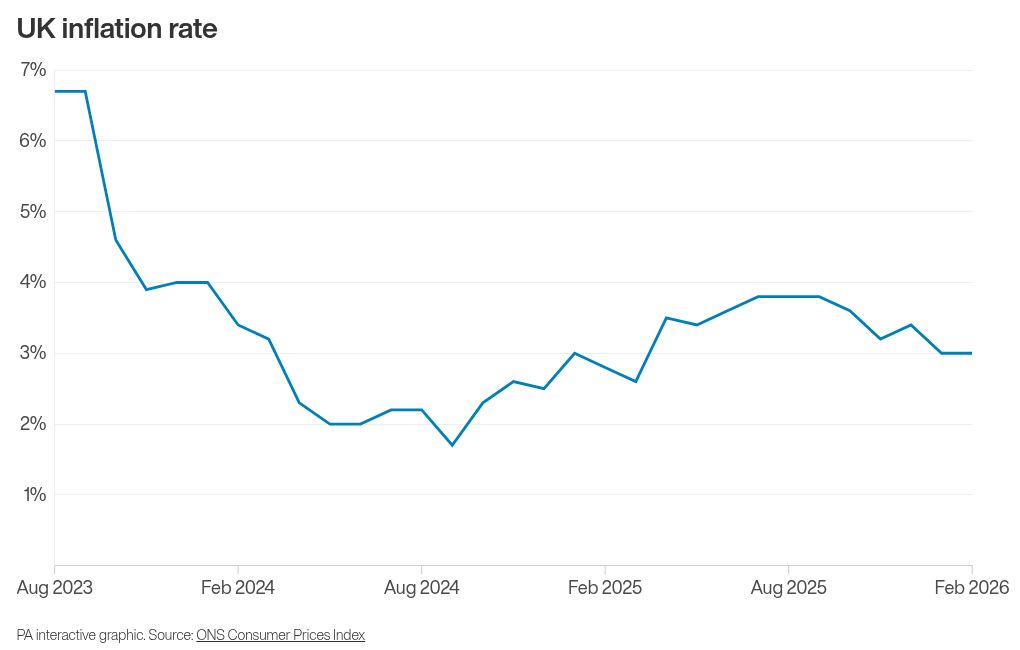
UK inflation remained steady at 3% in the previous month, as reported by official statistics. This figure did not account for the effects of the ongoing conflict in the Middle East, which began towards the end of February. The Consumer Prices Index (CPI) inflation rate stayed the same as it was in January, aligning with predictions made by economists.
Despite the stable inflation rate, the impact of the conflict in the Middle East is expected to influence the cost of living in the coming months. Recent weeks have seen a rise in oil and gas prices due to the conflict, and other goods could also be affected by disruptions in shipping through the Strait of Hormuz.
Grant Fitzner, chief economist at the Office for National Statistics (ONS), stated, “After last month’s slowdown, annual inflation remained unchanged in February as various price movements offset each other.” He highlighted that the main upward driver was the price of clothing, which increased this month but had decreased a year ago. This increase was counterbalanced by a drop in petrol costs, which were recorded before the start of the conflict in the Middle East and the subsequent rise in crude oil prices.
The February data indicated that clothing and footwear prices contributed to inflation, with a 0.9% increase for the month — the highest level since March 2025. This followed a period of stability in January. However, this upward trend in clothing prices helped to moderate inflation in other areas.
Inflation within the services sector slightly decreased to 4.3% for the month, reaching its lowest level in almost four years. Slower increases in alcohol and tobacco prices also helped to ease inflation, with rates dropping to 3.6% — the lowest since February 2022. This decline was partly due to lower inflation for the prices of beers, wines, and spirits over the month.
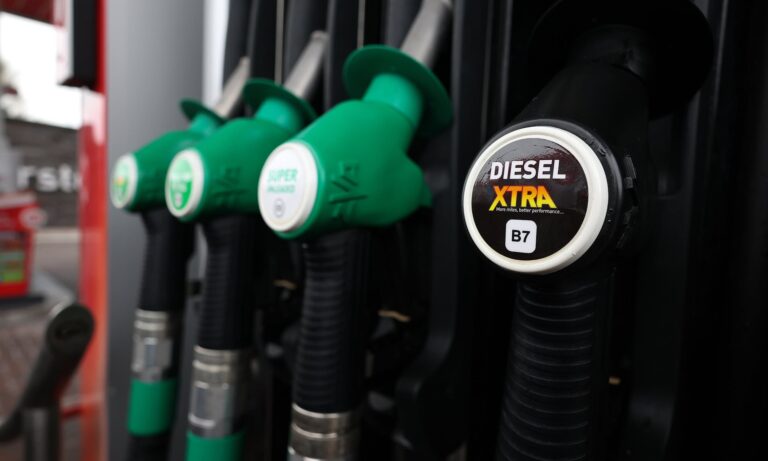
Motor fuel inflation also saw a slight decrease, with the average price of petrol falling by 1.6p per litre between January and February. However, petrol and diesel prices have risen significantly since the latest data, driven by an increase in crude oil prices following the conflict in the Middle East.
Economists have warned that inflation is likely to accelerate in the coming months as the effects of the conflict begin to affect the prices of goods. Stuart Morrison, research manager at the British Chambers of Commerce, said, “For businesses across the UK, today’s inflation data represents the calm before the storm. UK firms are particularly exposed to the economic impact of the crisis in the Middle East as our electricity prices are tightly tethered to global gas prices. This will feed directly into higher costs and renewed inflationary pressure in the months to come.”
Luke Bartholomew, deputy chief economist at Aberdeen, added, “Today’s inflation report is little more than a relic of the world before the Iran conflict. While the February report was broadly in line with expectations, and confirms that inflation was on a path back to 2%, the outlook for inflation has radically changed.”
Chancellor Rachel Reeves commented, “In an uncertain world, we have the right economic plan, taking a responsive and responsible approach to supporting working people in the national interest. We’re taking £150 off energy bills and providing targeted support for those facing higher heating oil costs. We’re also acting to protect people from unfair price rises if they occur, bring down food prices at the till, and cut red tape to boost long-term energy security — building a stronger, more secure economy.”