
Not Just Oil and Gas: The Strait of Hormuz Blockage Threatens a Key Commodity
The Global Fertilizer Crisis: A Growing Threat to Food Security
As the world faces an escalating conflict in Iran, the global fertilizer supply chain is experiencing severe disruptions. This has led to soaring prices and raised concerns about potential food insecurity across multiple regions. The situation is particularly critical as farmers in the northern hemisphere prepare for the crucial spring planting season, while those in the southern hemisphere are focused on harvesting crops before winter.
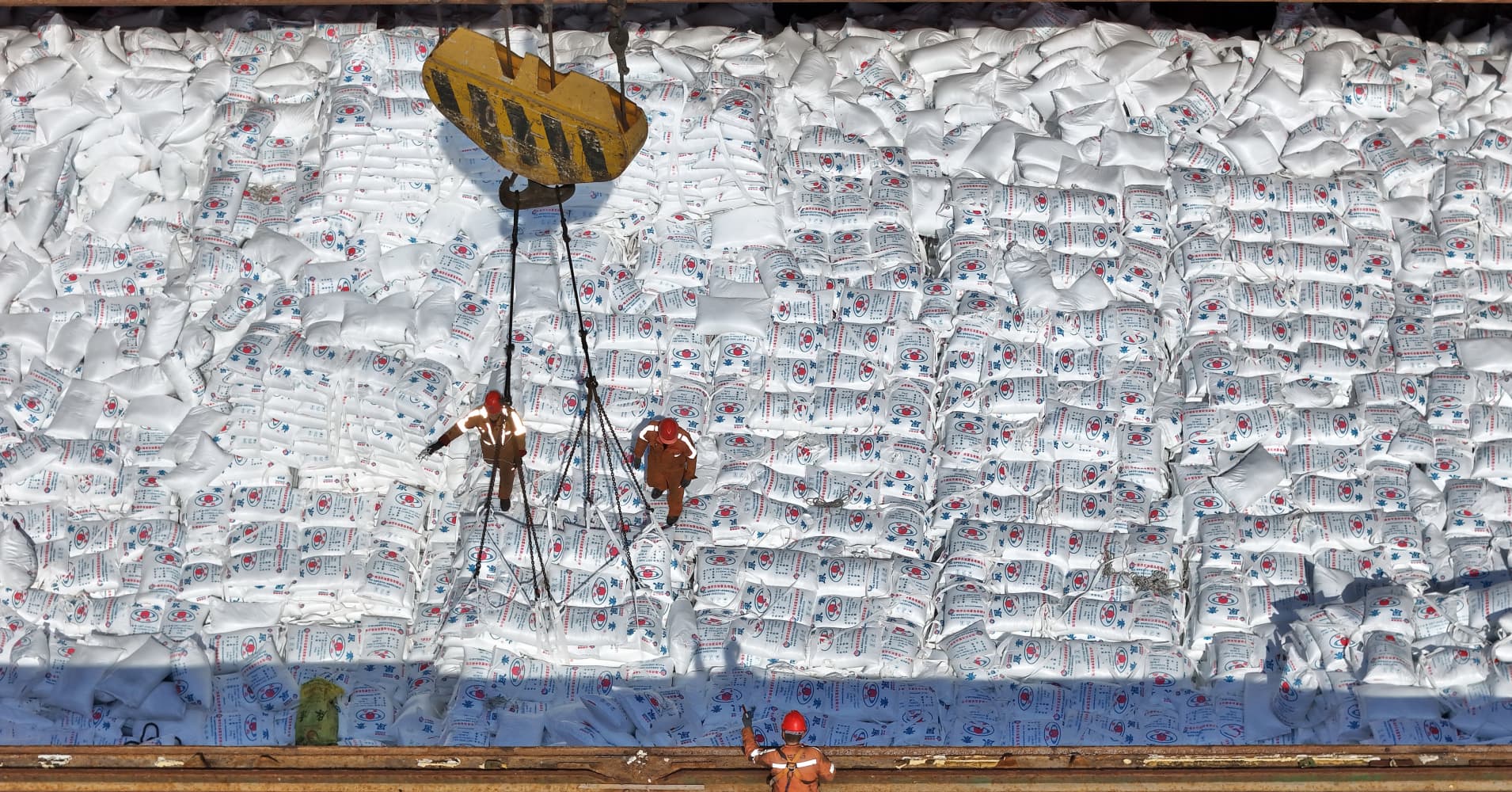
The Strait of Hormuz, a vital shipping route, plays a central role in this crisis. Around one-third of the global seaborne fertilizer trade passes through this strategic waterway. However, since the conflict began, traffic through the strait has been severely disrupted, with several ships being targeted. This has created a bottleneck in the movement of essential agricultural inputs, including fertilizers.
Rising Prices and Supply Constraints
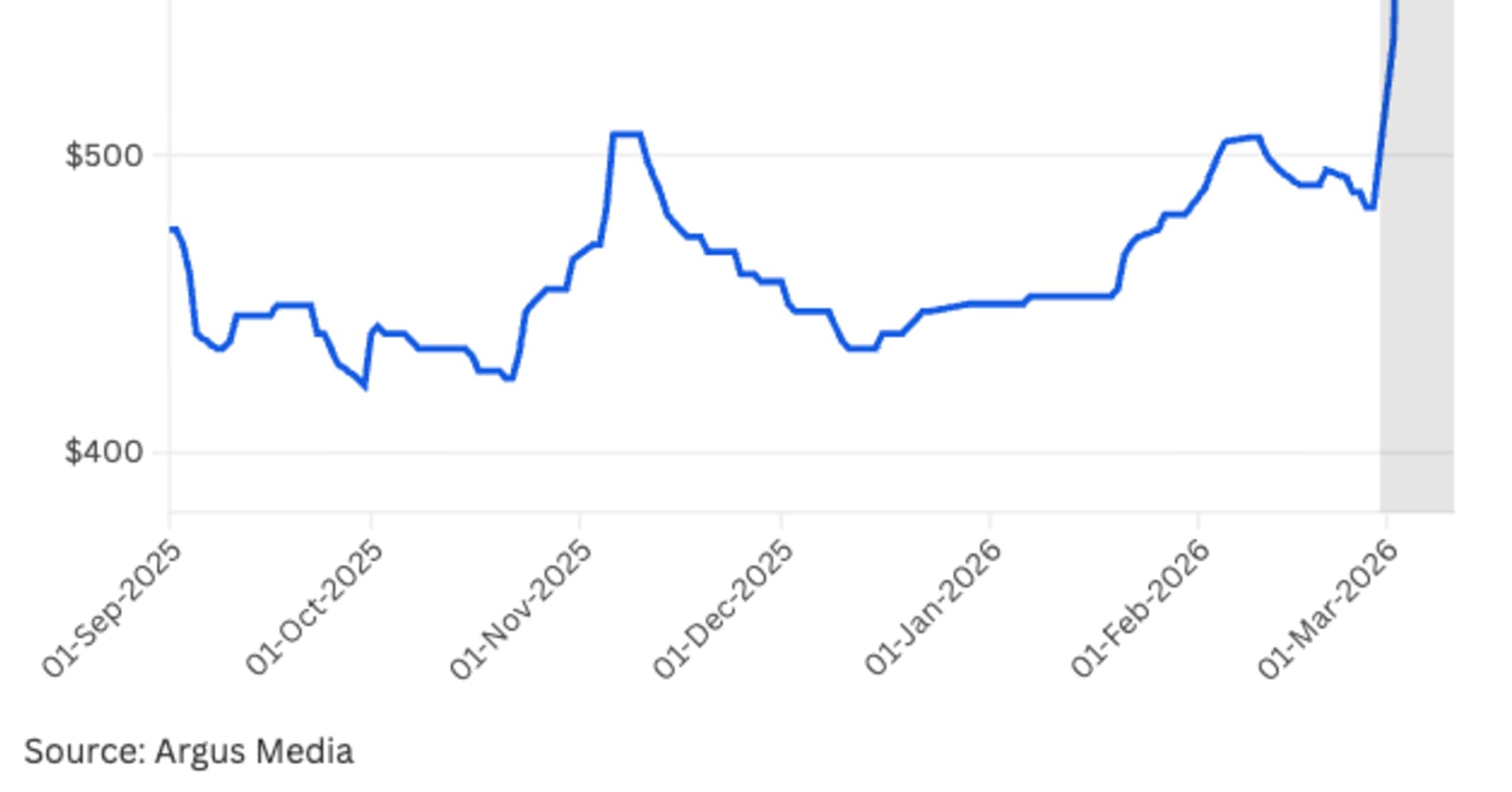
The conflict has had a direct impact on fertilizer prices, which have surged dramatically. According to analysts, the price of FOB granular urea in Egypt — a key indicator of nitrogen fertilizer prices — has jumped from $400 to $490 per metric ton to around $700. Oxford Economics’ Alpine Macro reported that urea and ammonia prices have increased by approximately 50% and 20%, respectively, since the war began.
Chris Lawson, VP of market intelligence and prices at CRU, highlighted the significance of the Middle East as a major exporter of urea and nitrogen products. He noted that around 30% of exportable suppliers are currently unable to access the global market due to the disruption in the Strait of Hormuz. This includes countries such as Saudi Arabia, Qatar, Bahrain, and Iran, all of which are important players in the fertilizer trade.
The Role of Nitrogen Fertilizers
Nitrogen fertilizers, such as urea, are essential for crop growth and are used in the cultivation of various crops, including maize, wheat, rapeseed, and some fruits and vegetables. Dawid Heyl, a co-portfolio manager for the Global Natural Resources strategy at Ninety One, emphasized the importance of nitrogen in agriculture.
“You can skip a season of potash or phosphates, but you can’t skip a season of nitrogen,” Heyl said. “It’s the one element that you need to get to the plant every single year.”
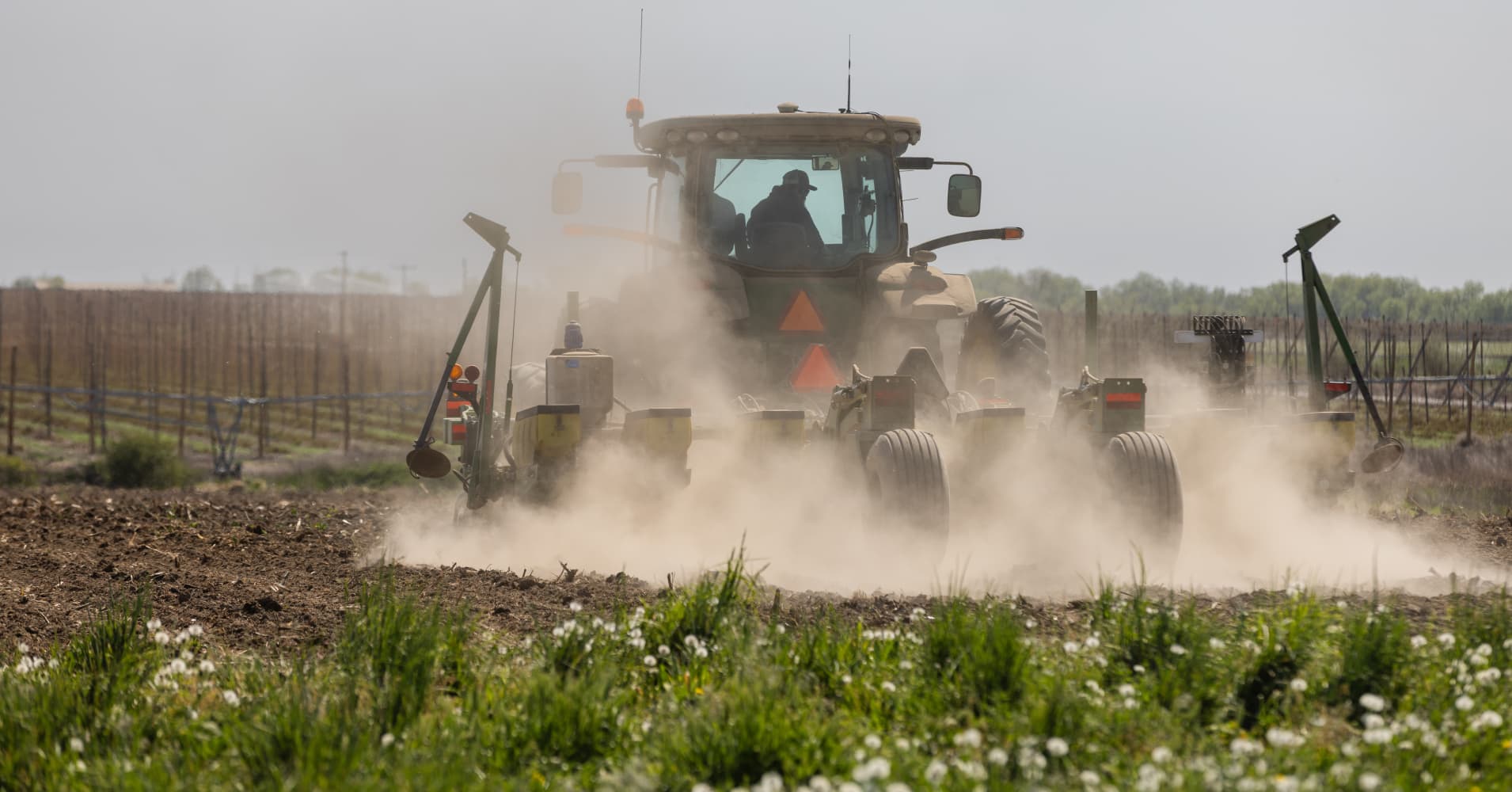
This makes the current crisis particularly concerning, as farmers in the northern hemisphere are now facing supply constraints during a critical time for planting. The intersection of cyclical demand and supply issues has led to significant price increases, with many fertilizer futures seeing double-digit gains in recent weeks.
Broader Implications for the Global Market
Sarah Marlow, global head of fertilizer pricing at Argus, noted that the impact of the Middle East crisis could be even more severe than the Russia-Ukraine conflict. She pointed out that almost 50% of globally traded sulfur comes from the region, along with around a third of urea and nearly 25% of ammonia.
“This is more significant in some ways than the impact of Ukraine because it is affecting multiple producers,” Marlow said. “You’re not just talking about one or two; exports from Saudi Arabia, Kuwait, Qatar, Iran, and the UAE are all being affected.”
In addition to the disruption in trade, fertilizer production is also suffering due to a lack of storage options and the shutdown of energy facilities in the region. For example, QatarEnergy recently announced it would halt downstream production of urea following its decision to pause liquefied natural gas production.
Impact on Food Security and Emerging Markets
While markets entered 2026 with relatively high stocks of basic food commodities, there are growing concerns about the potential impact of reduced agricultural yields. Heyl noted that even a 5% reduction in yields could lead to food inflation, particularly affecting emerging-market countries.
“Unfortunately, the poorer countries in the world are quite often more exposed to these crises,” Heyl said. He highlighted the vulnerability of African nations and other regions in the global south, which rely heavily on imported grains and fertilizers.
India, which imports nitrogen fertilizers and natural gas for domestic production, is also at risk. Heyl expressed particular concern for countries like India and regions such as East Africa, which are more likely to face the brunt of rising prices.
Even the United States is not entirely insulated from the implications of the fertilizer price shock. While the country produces a significant portion of its own nitrogen fertilizer, it still relies on imports for about a third of its nitrogen, phosphate, and potash needs.
Calls for Relief and Action
With the situation worsening, 54 agricultural groups recently wrote to U.S. President Donald Trump, calling for market relief for American farmers. They cited the closure of the Strait of Hormuz as a major factor behind surging fuel and fertilizer prices, warning of serious consequences for food security both domestically and globally.
As the conflict continues, the ripple effects on the global fertilizer market are becoming increasingly evident. Farmers worldwide are facing unprecedented challenges, and the long-term implications for food production and security remain uncertain.