
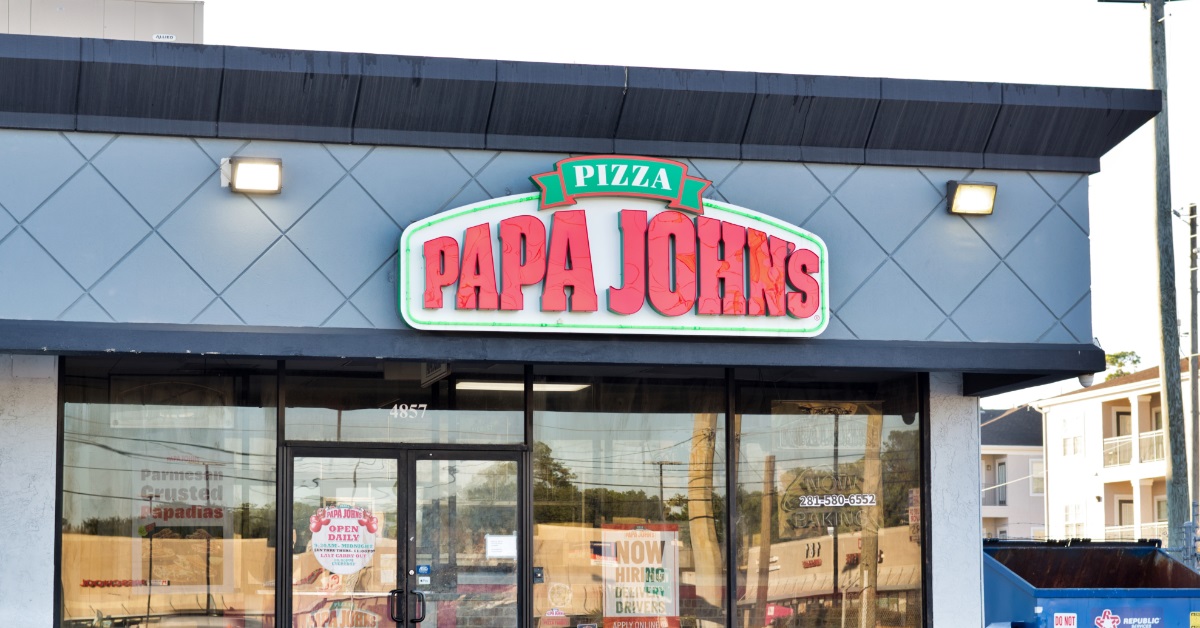
Papa Johns Closing 300 Stores by 2027—Is Yours Affected?
Pizza is known for being fast, affordable, and delicious—delivered right to your door. However, as major pizza chains move away from this successful model, they face challenges in retaining customers. Papa Johns, a well-known pizza chain, is now experiencing closures due to declining demand for its products.
Why Are Papa Johns Closures Happening?
The trend of people choosing more cost-effective options over expensive pizza chains is on the rise. Families are looking to stretch their fast food budgets further, leading many to turn to local pizzerias or frozen pizzas. These alternatives offer the same classic combination of bread, tomato sauce, and cheese but at a lower price point.
Papa Johns has announced the closure of 300 locations this year. The closures are part of a broader strategy to focus on underperforming stores, which are expected to be phased out by the end of 2027. In 2026, around 200 locations are projected to shut down, with the remaining closures happening in 2027.
Where Are the Closures Happening?
Although a specific list of affected locations hasn’t been released yet, the impacted stores are mostly franchisee-owned and have average sales volumes of less than $600,000. This decision is part of a larger effort to streamline operations and adapt to changing consumer spending habits.
Despite these closures, Papa Johns is not disappearing anytime soon. The chain still operates over 3,000 locations across the United States. At the end of 2025, there were approximately 3,500 locations, so even with the planned closures, there will still be plenty of places to enjoy a Papa Johns pizza.
Sales Performance and Menu Changes
Papa Johns has faced some tough times in recent years. Their fourth-quarter results showed a 5.4% decline in same-store sales. To combat this, the company is also seeking cost savings of $13 million this year through measures outside of marketing.
In addition to cost-cutting, Papa Johns is updating its menu. Papadias and Papa Bites will be phased out in the second quarter of the year. These changes are expected to boost same-store sales and were based on feedback from both franchisees and customers.
Comparing Papa Johns to Competitors
Papa Johns isn’t alone in closing locations this year. Pizza Hut is also shutting down 300 locations, with its parent company, Yum Brands, putting the brand up for sale. On the other hand, Domino’s reported a 3.7% increase in same-store sales during the fourth quarter.
What This Means for Papa Johns
The last time Papa Johns saw similar sales declines was in 2018 and 2019, following a public controversy involving the founder. This time, the challenges are more about the overall struggling pizza and fast food market, with consumers cutting back on spending.
Job Losses and Company Reorganization
While the exact number of job losses from the closures remains unclear, Papa Johns is also reducing corporate staff by about 7% as part of a reorganization aimed at streamlining operations.
Future Plans for Papa Johns
CEO Todd Penegor believes that Papa Johns needs to compete more effectively on third-party delivery platforms like UberEats and DoorDash. Although the company was an early adopter of these apps, it now faces stiff competition from other pizza brands.
Papa Johns is also experimenting with new menu items, such as oven-toasted sandwiches and a new pan pizza introduced in January, which has performed above expectations.
Customer Reactions
Customer reactions to the news have been mixed. Some have taken it humorously, with one Redditor joking, “Oh no, not my $18 single topping pizza.” Others have been more understanding, pointing out that 300 locations represent only 5% of the total, with 95% still operating.
However, some have expressed frustration, with one user quipping, “The only pizza you have to put butter on to make it edible.”
The Bottom Line
Pizza itself is not going away, but who makes it could be changing rapidly in the coming years if economic conditions continue to challenge consumers. As people look for ways to save money, sales may remain under pressure until there is more disposable income available.
For those looking to manage their finances better, there are strategies to consider, such as using cash-back credit cards or exploring debt-reduction methods. With the evolving landscape of the fast food industry, it’s clear that the future of pizza delivery and restaurant choices may be more dynamic than ever before.