Households in Poor Areas Pay Top Council Tax Bills, Data Reveals
Rising Council Tax Burden in England
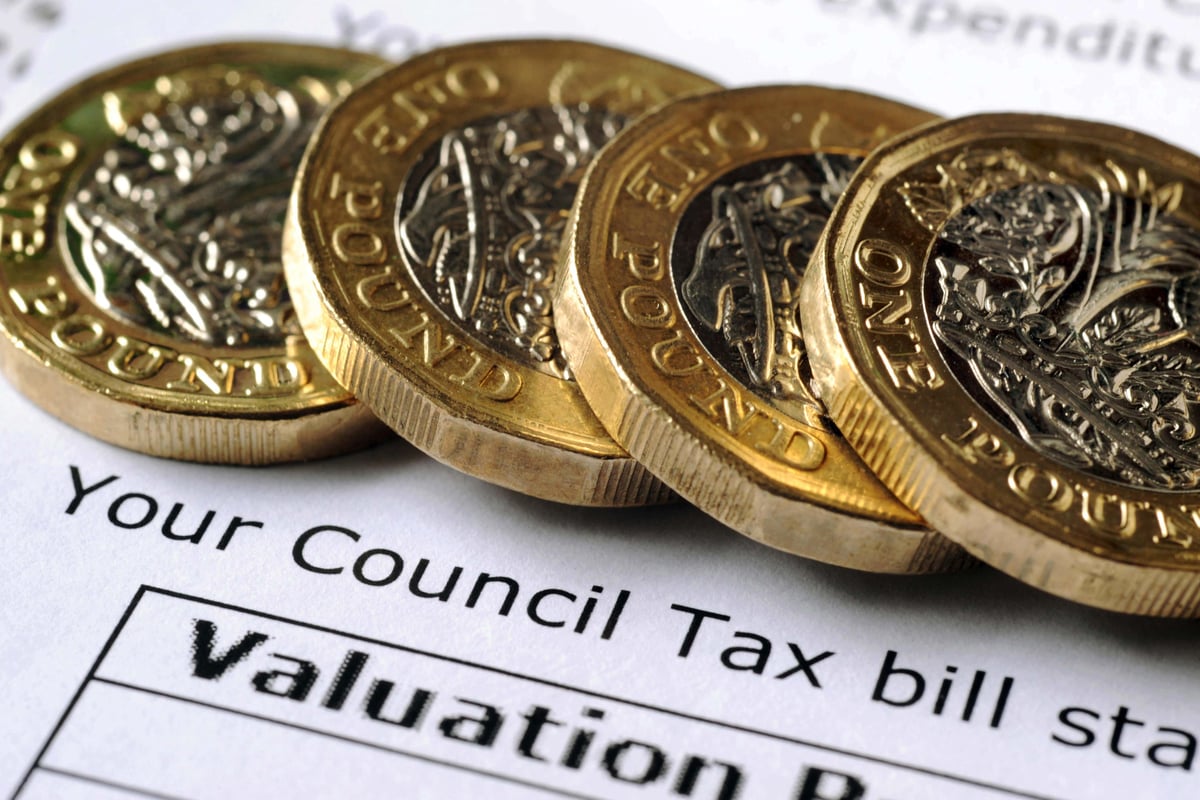
Official data reveals that households in some of the poorest regions of England will continue to face some of the highest average council tax bills. This trend highlights a growing disparity between different areas of the country, particularly in metropolitan and unitary councils compared to London boroughs.
Average Council Tax for Band D Properties
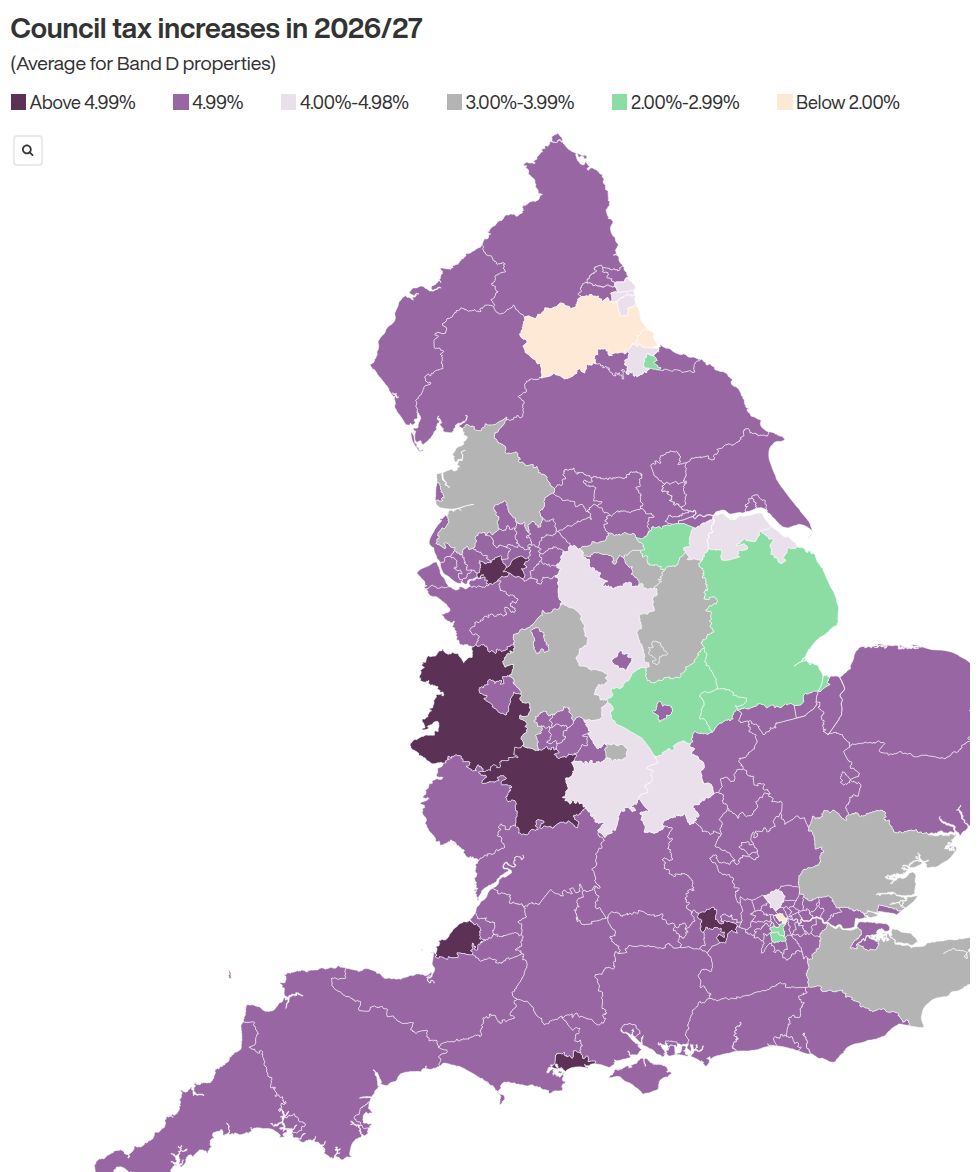
In 2026/27, residents living in metropolitan areas—primarily located in the North and Midlands—will pay an average of £2,409 for Band D properties. These are considered the standard measure of council tax. In contrast, London boroughs, which include both affluent and deprived neighborhoods, will see an average of £2,068 for the same property band.
Unitary councils, which serve areas with mixed levels of prosperity, will have an average Band D charge of £2,490, while county-wide councils will charge £2,452 on average.
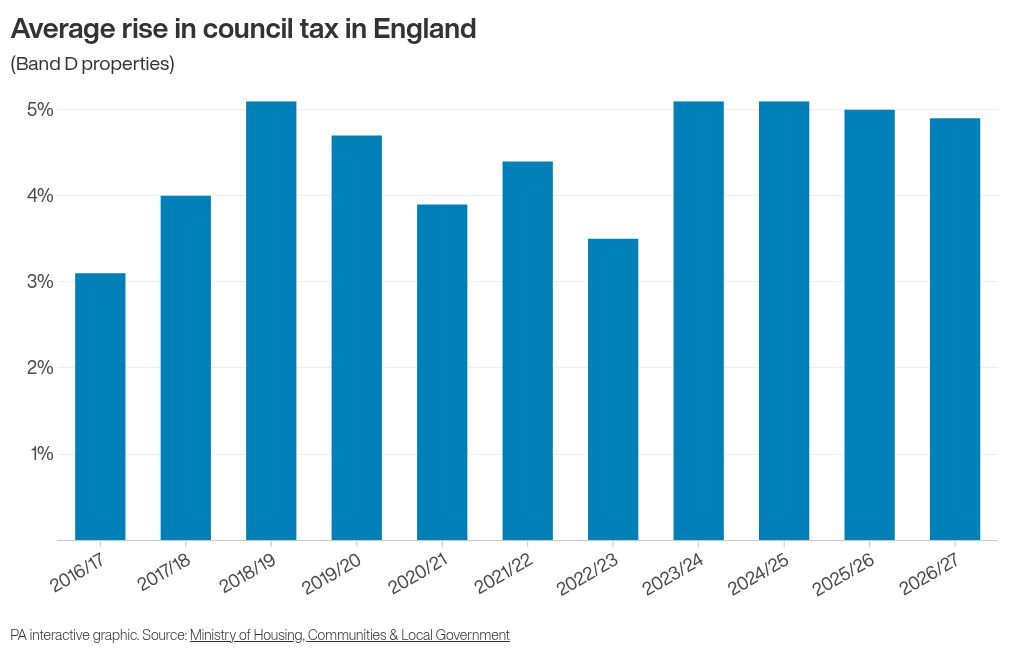
The overall average Band D council tax across England for 2026/27 is expected to be £2,392, a rise of £111 or 4.9% from the previous year. This marks the fourth consecutive year of increases averaging around 5%. The figures include additional charges such as adult social care, parish precepts, and costs levied by police, fire, and regional authorities.
Political Control and Tax Increases
A press association analysis found that Liberal Democrat-run councils imposed the highest average core council tax increases at 5.17%. This includes significant hikes in Shropshire (8.99%) and Windsor & Maidenhead (7.48%). The median average increase for Lib Dem-controlled councils is 4.99%.
In contrast, Reform-run councils saw a mean average increase of 4.15%, with variations ranging from 1.99% in Durham to 8.98% in Worcestershire.
Labour-controlled councils increased bills by a mean average of 4.79%, while Conservative-run councils pushed up taxes by 4.92%.
Zoe Franklin, the Liberal Democrats’ local government spokesperson, criticized the current situation, stating that many communities are fed up with being overlooked. She highlighted the need for urgent action to address the social care crisis and slow progress on Send funding, which has been a long-standing issue.
Regional Disparities
Residents in the unitary authority of Dorset face the highest average B and D council tax bill in 2026/27, at £2,765.02, while the London borough of Wandsworth has the lowest, at £1,028.21.
These figures include all additional charges covered by council tax bills, such as parish precepts and levies for police, fire, and regional authorities. In 96 out of 296 local authorities in England, the average total for B and D properties now exceeds £2,500, up from 24 in 2025/26.
Of the 384 authorities required to hold a referendum if proposals for council tax exceed a certain threshold, 274 used the maximum flexibility available, a decrease of 21 from the previous year.
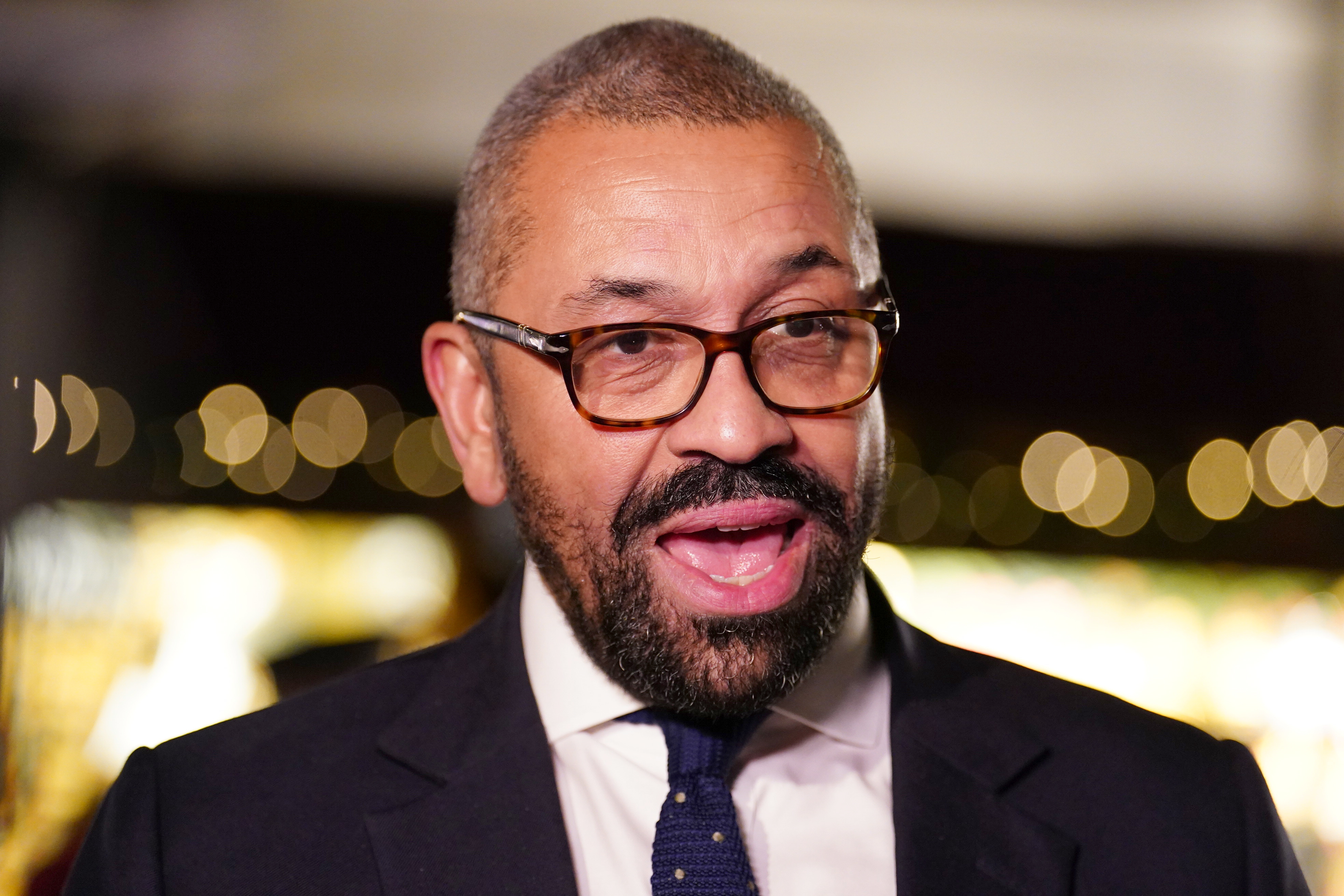
Shadow communities secretary Sir James Cleverly accused the government of “cooking up” council tax rises, criticizing Labour’s failure to deliver on promises to freeze taxes. He argued that the Conservatives remain committed to supporting hard-working families while keeping taxes low.
Challenges Facing Local Authorities
Steve Houghton, chairman of the Special Interest Group of Metropolitan Authorities, described the recent funding agreement as “transformative.” However, he noted that some of the most deprived communities still face severe financial challenges.
He pointed to rising demand for services, especially in adult and children’s social care, alongside increasing energy costs and inflation, as key pressures on local councils.
A spokesperson for the Local Government Association emphasized that many councils are acutely aware of the financial strain on households. They stressed that while council tax is a crucial funding source, it cannot address long-term pressures facing local governments.
The spokesperson called for significant new funding and long-term reform of the local government finance system to ensure the sustainability of councils and their ability to provide essential services.
Labour and the Liberal Democrats have not yet commented on the latest developments.