Risks Remain Amid Peace Efforts: What Market Experts Say About US Iran Plan
Markets React to Peace Plan News
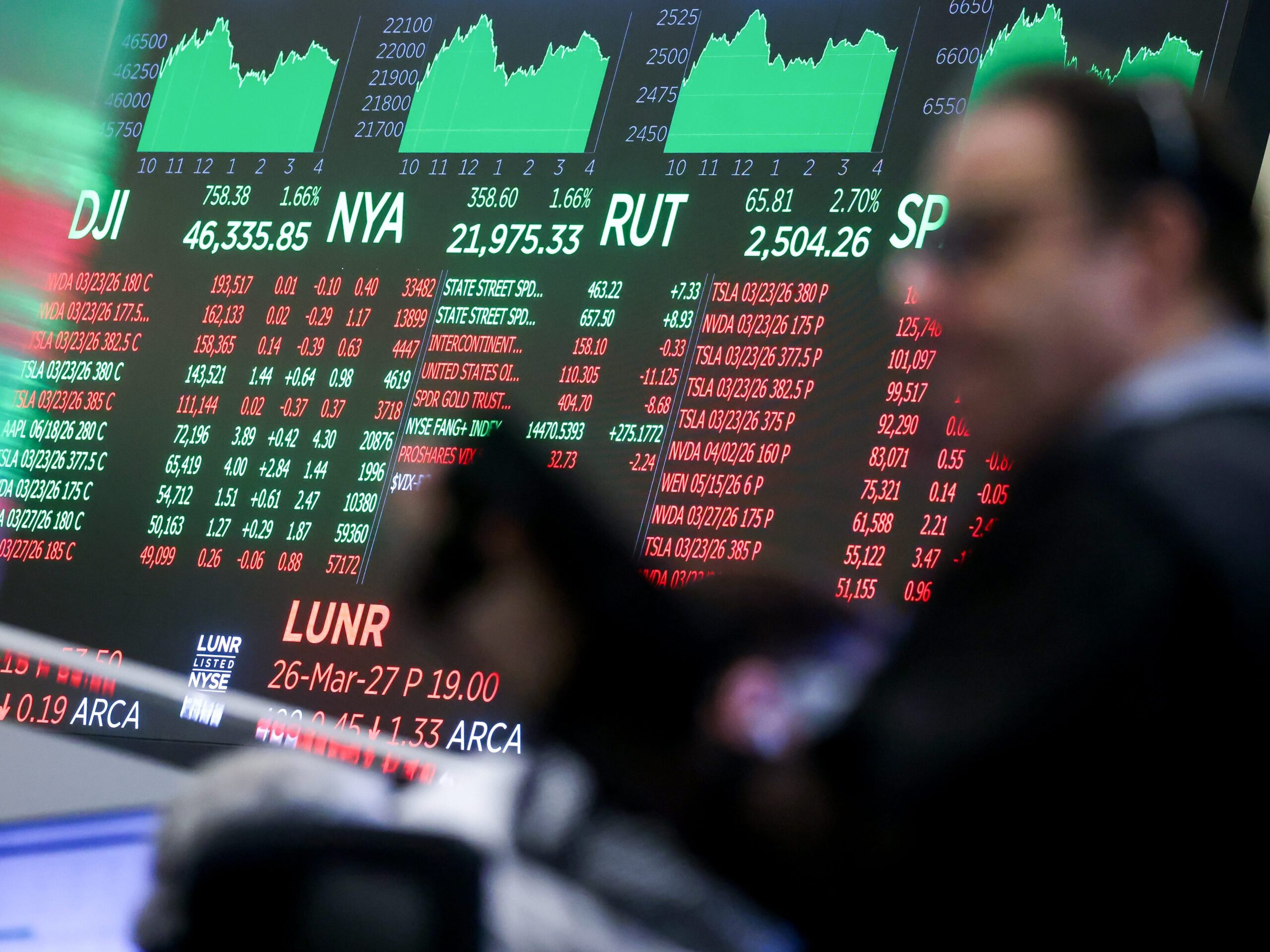
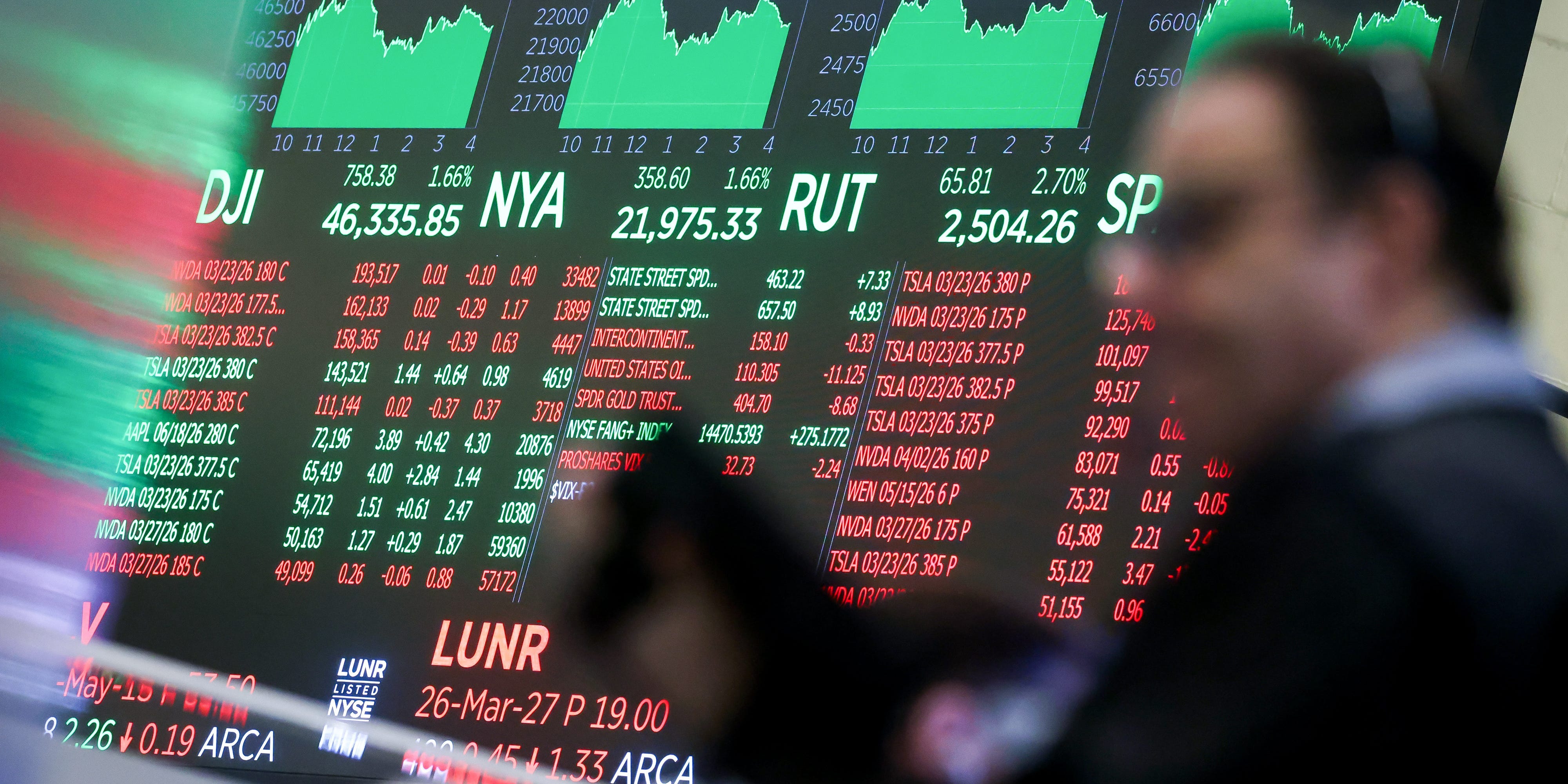
Markets have shown a positive reaction to reports that the United States has sent Iran a 15-point peace plan. This development has led to a drop in oil prices, which in turn has contributed to a rally in stock markets. However, market analysts suggest that uncertainty will likely continue to be a major factor affecting investor sentiment.
A Break in the Clouds?
On Wednesday, markets seemed to see a break in the clouds as investors pushed stocks higher while oil prices fell. This shift came after reports emerged that the U.S. had delivered a peace plan to Iran through Pakistan. The plan reportedly includes a 30-day ceasefire while negotiations continue to end the conflict in the Middle East. If accepted, this could signal the beginning of the end of the war, which has been a source of concern for investors due to its impact on economic stability and rising oil prices.
Key Elements of the Peace Plan
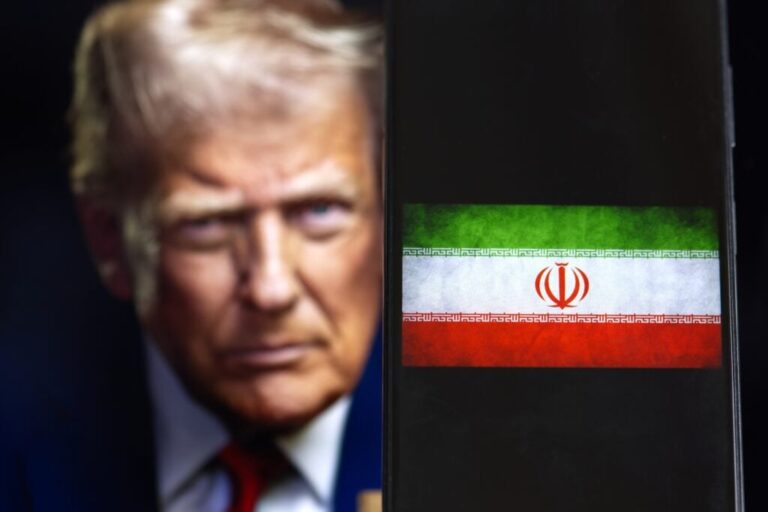
The proposed 15-point plan includes several key elements such as Iran reopening the Strait of Hormuz and dismantling some of its nuclear sites. However, Iranian officials have reportedly rejected the proposal. According to Far News, Iran’s semi-official news agency, the country is skeptical of the U.S. initiative. Iranian officials have expressed concerns that the push for peace talks might be a ruse, as reported by Axios. Additionally, Iran has denied comments made by President Trump earlier in the week regarding “productive” talks between the U.S. and Iran.
Market Analysts’ Perspectives
JPMorgan: Expecting Sideways Movement
JPMorgan’s market intelligence team has shifted from a bearish stance to a neutral one, but they still anticipate more volatility in the markets. Their analysis suggests that unless there is an escalation, markets are expected to move sideways. However, they believe it is more likely that there will be a decisive move either toward a ceasefire or another wave of conflict.
The strategists also noted several concerns with the 15-point plan, including the lack of clarity on how the Strait of Hormuz would be reopened and whether Iran would abandon its previous demands, such as reparations.
Bespoke Investment: Stocks Will Continue to Whipsaw
Paul Hickey of Bespoke Investment Group noted that while global stocks are in “rally mode,” the momentum is starting to fade due to the uncertainty surrounding the peace plan. He pointed out that the rejection of the U.S. terms by Iranian officials has led to a loss of enthusiasm. Hickey expects continued whipsaw action as the situation develops.
Tom Lee: Potential Turning Point
Tom Lee, head of research at Fundstrat, suggested that if the reports about the peace plan are accurate, it could represent a turning point for stocks. However, he emphasized the significant amount of uncertainty surrounding the situation and noted that investors remain wary of developments in the conflict.
David Rosenberg: Persistent War Risks
David Rosenberg of Rosenberg Research highlighted that broader risks associated with the war will continue to affect markets. He pointed out that despite the peace plan, Iran has responded with more attacks on Israel and the Gulf region. He also noted the sharp drop in oil prices, with Brent crude falling over 5% to around $94 a barrel.
Oil Prices and Market Stability
Trade Nation: First Signs of Stability
David Morrison of Trade Nation pointed to the drop in crude prices as a sign that the market is taking the peace plan seriously. He suggested that if West Texas Intermediate crude drops below $80 a barrel and Brent crude below $90, it would indicate a healthy first step toward stability. However, he noted that it remains unclear how widely the plan has been read by Iranian officials and whether Israel will support it.
Morrison also mentioned that if the conflict ends soon, it could mean Iran’s regime will remain in power, which could have negative implications for both Iran’s neighbors and the U.S.
Oxford Economics: Uncertainty May Drive Oil Prices Higher
John Canavan of Oxford Economics noted that despite President Trump’s recent comments suggesting progress toward de-escalation, there are no clear signs that the U.S.-Israel-Iran war is winding down. He warned that uncertainty could lead to further increases in oil prices, adding to inflation expectations and putting upward pressure on interest rates.