Mayor Johnson Blocks Effort to Stop Tipped Workers’ Pay Raises in Chicago
Mayor Brandon Johnson Vetoed Wage Freeze for Tipped Workers in Chicago
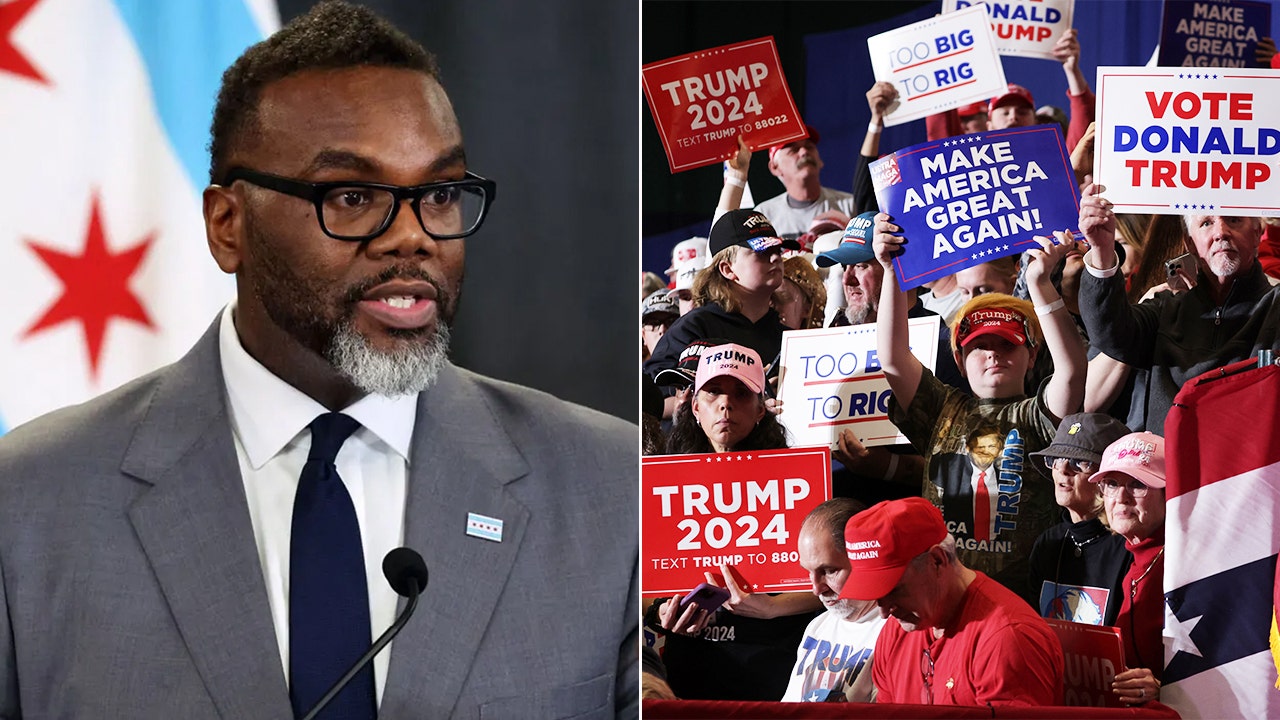
Mayor Brandon Johnson recently took a strong stance against a proposed ordinance that would have frozen scheduled wage hikes for tipped workers in Chicago. He called the initiative “tone deaf and shortsighted,” emphasizing his commitment to protecting working people.
The proposal, which was approved by the City Council on a 30-18 vote, aimed to maintain tipped wages at $12.62 per hour. To override Johnson’s veto, Alders would need 34 votes. In his veto message, Johnson referenced the Bible, stating, “Woe unto the rich who have denied the wages to the workers.” He reiterated that the city would not abandon its progress or compromise what workers deserve.
Johnson’s decision ensures that tipped workers will see their minimum wage increase on July 1, 2026, reaching 84% of the full minimum wage, which is currently $16.60 per hour. The city’s minimum wage increases annually on July 1 by 2.5% or the annual increase in the Consumer Price Index, whichever is lower. As such, the exact amount of the wage increase in July remains uncertain.
In 2023, the City Council passed the “One Fair Wage Ordinance” to gradually raise the wage for tipped workers to the full minimum wage by July 1, 2028. This was one of Johnson’s early successes as part of his progressive agenda. Prior to this, businesses were allowed to pay tipped workers 60% of the standard minimum wage. If their wages and tips did not meet the full minimum wage, employers were required to make up the difference.
Ald. Samantha Nugent (39th) spearheaded the effort to freeze the phase-out of the tipped wage at its current level, maintaining the subminimum wage for tipped workers at 76% of the full minimum wage. She argued that the previous approach had led to the loss of many restaurants and jobs, and that the new legislation would help protect servers and back-of-the-house jobs while keeping small independent restaurants operational.
Critics of the One Fair Wage Ordinance claim it has forced restaurants to reduce staffing, raise prices, or close altogether. Bronzeville Winery owner Eric Williams expressed concerns that continued increases in the subminimum wage could force him out of business. While he acknowledges the intent behind the ordinance, he believes it has harmed tipped workers by reducing staffing and increasing menu prices, which drives away customers.
Despite these challenges, Johnson maintains that the restaurant industry in Chicago is thriving. He cited data showing that since the ordinance went into effect in July 2024, the city has issued 1,574 new retail food establishment licenses. Additionally, 83% of the city’s licensed retail food businesses renewed their licenses in 2025, compared to 81% from 2021 to 2024.
Ald. Jessie Fuentes (26th), the chief sponsor of the One Fair Wage Ordinance, emphasized that tipped workers “deserve to live in a city that they can afford” and should not have to choose between paying bills and childcare. She argued that affordability should not come at the expense of fair wages for workers.
Carmella Muhammad, owner of Let’s Eat To Live restaurant in South Shore, supports increasing wages for tipped workers, even if it places a greater burden on her business. She believes that paying employees a living wage will contribute to a better community.
Johnson’s veto of the wage freeze is his third of the year. Earlier this year, he vetoed an ordinance allowing police to issue a “snap curfew” and another measure banning most intoxicating hemp-derived products in Chicago.
Alders may attempt to override Johnson’s latest veto at the next City Council meeting on April 15. Meanwhile, the Illinois Restaurant Association is pushing its fight against tipped wage increases to Springfield. A proposal sponsored by state Rep. Curtis Tarver (D-Chicago) would prohibit local governments from regulating tipped wages, giving that authority exclusively to the state.
If passed, this measure would lower the tipped wage in Chicago to the current state rate of $9 per hour, cutting base pay for tipped workers by nearly 30%. The Illinois Restaurant Association argues that this legislation would provide stability for the hospitality industry and ensure a uniform tipped wage rate across the state.