Trump Officials Approve E15 Waiver for Summer Gas Sales
Trump Administration Expands E15 Gasoline Sales Amid Energy Challenges
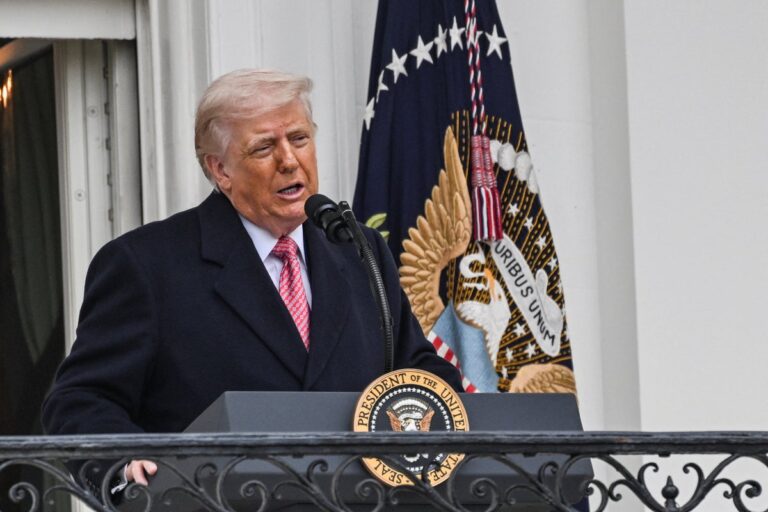
The Trump administration is preparing to expand the availability of E15 gasoline this summer by waiving its compliance with US fuel volatility requirements, according to individuals familiar with the matter. This move aims to increase access to higher-ethanol fuel during warmer months, a strategy previously used under both the Trump and Biden administrations.
The Environmental Protection Agency (EPA) is scheduled to brief industry stakeholders on this plan in the coming days. While no official announcement has been made, sources indicate that the agency will soon outline its approach. The decision aligns with broader efforts to address rising energy costs, especially as tensions in the Middle East continue to impact global oil markets.
This initiative also serves as a political win for key supporters of the administration, including corn farmers, biofuel producers, and rural voters. These groups have long advocated for year-round sales of E15 gasoline, which contains 15% corn-based ethanol. Some industry representatives have urged the EPA to clarify its plans sooner, allowing fuel distributors and stations to make necessary adjustments.
Understanding E15 and Volatility Requirements
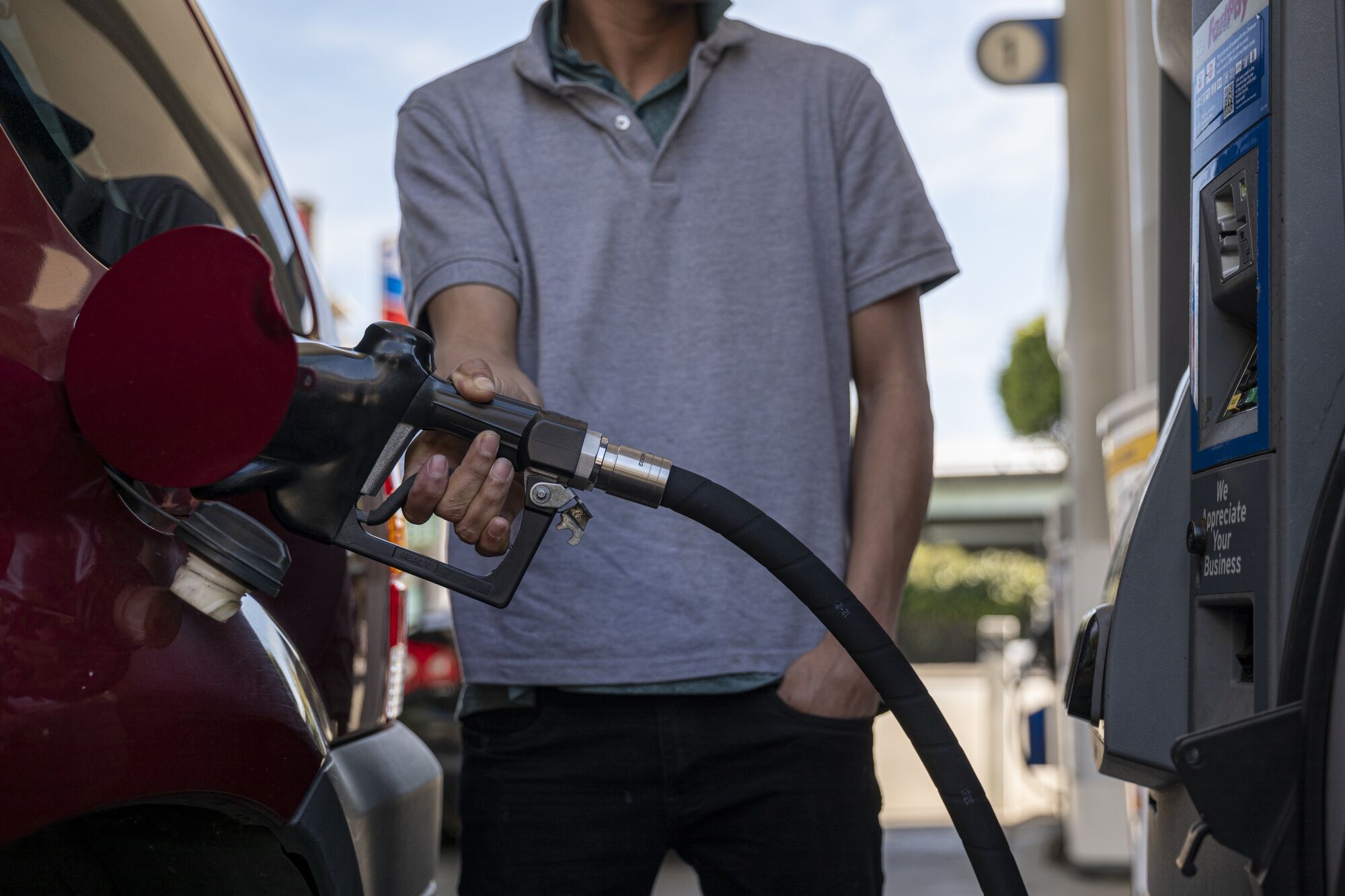
E15 is generally less expensive per gallon than conventional E10 gasoline, but it is also less energy-dense. During the summer months, from June 1 to September 15, the US imposes stricter limits on Reid vapor pressure, which measures the tendency of gasoline to evaporate and contribute to smog formation. These restrictions typically prevent the sale of E15 in areas with high smog levels.
Under the Clean Air Act, the EPA can issue emergency waivers to temporarily exempt E15 from these volatility rules when shortages are anticipated. However, previous waivers have faced criticism from some refiners who argue that the justifications for such exemptions are not always clear or sufficient.
This year, the Trump administration could cite ongoing conflicts in Ukraine and Iran, along with other geopolitical tensions, as reasons to justify the temporary exemptions. Midwest governors recently supported this approach, emphasizing the need for flexibility in fuel regulations.
Legal and Industry Challenges
For years, ethanol producers and certain fuel refiners have pushed for more permanent changes to federal law. They have called on Congress to extend an existing Reid vapor pressure exemption currently applied to E10 gasoline so that it also covers E15. However, legislative efforts to achieve this have repeatedly stalled, partly due to disputes over how to exempt some refiners from annual biofuel-blending quotas.
A previous attempt to implement this change through regulation during Trump’s first term failed. At the time, the EPA finalized a rule that extended the E10 waiver to E15, but a federal court overturned the decision after legal challenges from refiners.
Despite these hurdles, the push for E15 continues. Industry stakeholders remain focused on finding solutions that balance environmental concerns with the economic benefits of lower-cost fuel.
EPA’s Stance on Energy Policy
When asked about the potential waiver, the EPA emphasized its commitment to restoring “American energy dominance.” The agency stated that it is closely monitoring the fuel supply in collaboration with industry and federal partners.
The decision to allow E15 sales during the summer comes at a critical time. With oil and gasoline prices rising due to the war in the Middle East, consumers are increasingly concerned about the cost of living. The Trump administration is likely to use this policy as a way to address these concerns ahead of the upcoming midterm elections.
Conclusion
As the Trump administration moves forward with its plan to expand E15 gasoline sales, the focus remains on balancing environmental regulations with economic needs. While the move may provide short-term relief for consumers, it also highlights the ongoing challenges of navigating complex fuel policies and industry interests. The outcome of this effort will be closely watched by policymakers, industry leaders, and the public alike.