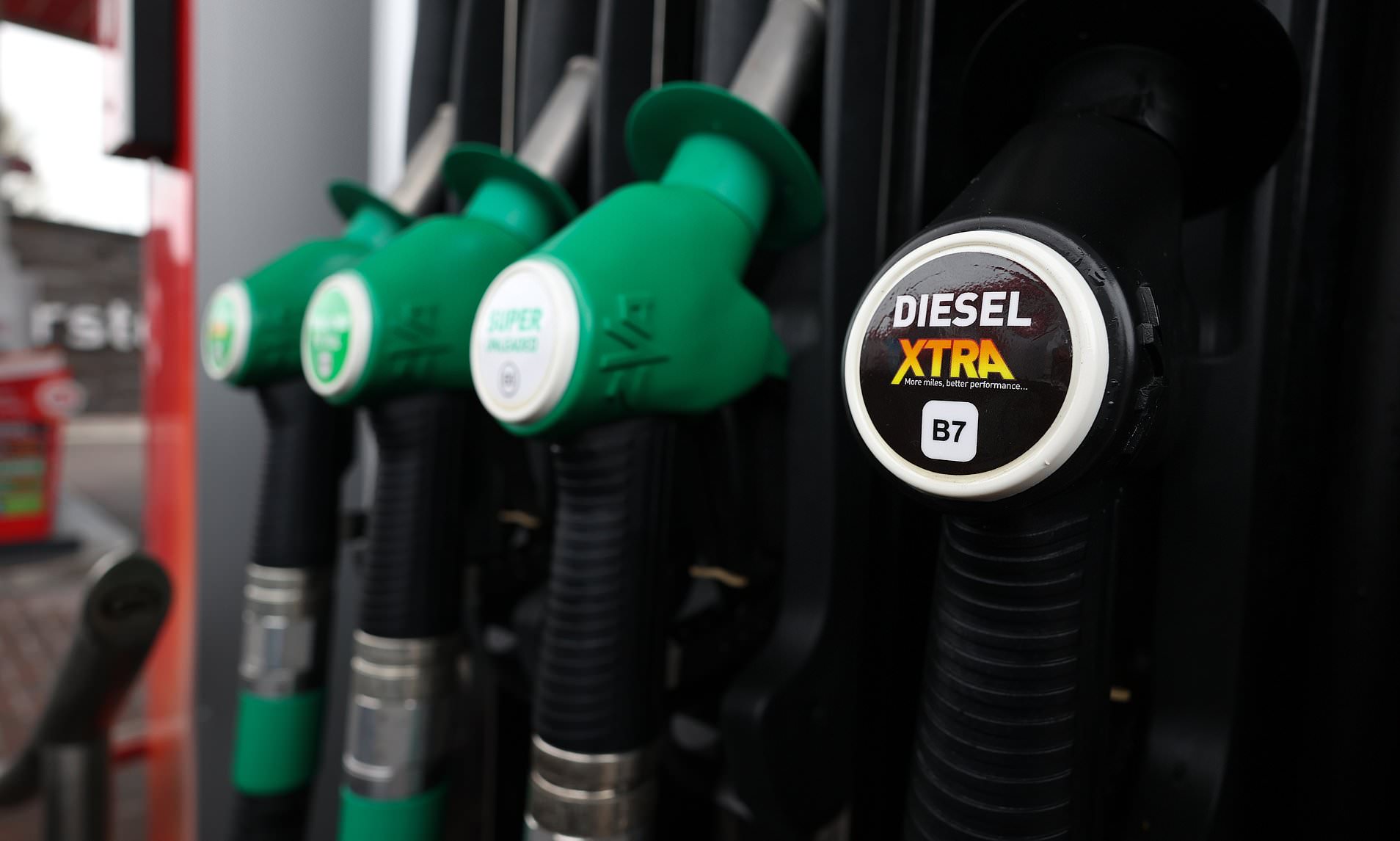
Are We Being Scammed at the Gas Pump? Retailers Defend Fairness as Prices Soar
The Escalating Fuel Crisis and Its Impact on Drivers
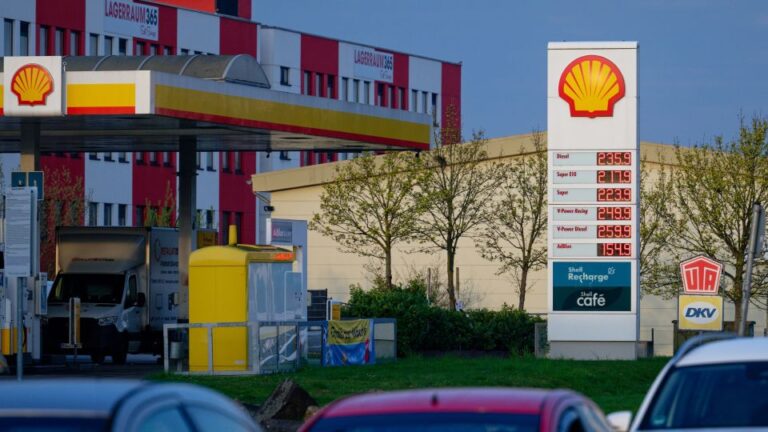
The ongoing conflict in the Middle East has led to a significant increase in fuel prices, with drivers in the UK facing an estimated £307 million in additional costs for petrol and diesel. This situation has raised concerns among motorists and industry experts alike, as the average price of petrol has increased by almost 12% since February 28, with a litre now costing 148.6p. For diesel, the surge has been even more dramatic, with prices rising by 22% in less than four weeks.
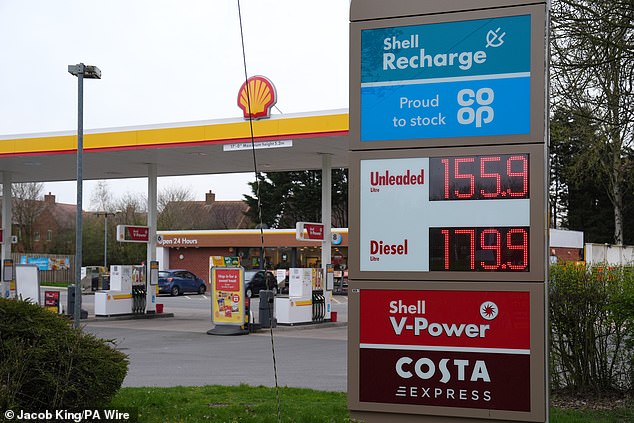
Despite these increases, fuel retailers have maintained that supplies remain stable and have denied any allegations of price gouging. However, the wholesale cost of fuel has risen at a faster rate than what is charged at the pumps. This has led to a contraction in retailer margins, particularly for diesel, which has seen its margins fall into the negative.
The RAC Foundation estimates that drivers have spent approximately £4.574 billion at forecourts since February 28, compared to £4.267 billion if prices had remained the same. This highlights the significant financial burden placed on motorists due to the war in Iran.
Taxation and Fuel Prices
Taxes continue to make up a substantial portion of what drivers pay at the pumps. For petrol, around 53% of the cost per litre goes toward fuel duty and VAT, while for diesel, this figure is slightly lower at 47%. Despite this, the overall price of a litre of unleaded last week was only the 18th highest among 28 European nations, suggesting that UK fuel prices are relatively competitive when compared to other countries.
However, the UK still has one of the highest levies on diesel in Europe. This has led to calls for the government to reconsider its planned 5p fuel duty hike in September, especially after Ireland announced cuts to fuel taxes to help drivers.
Retailer Margins and Market Dynamics
Fuel retailers have refuted claims of price gouging, emphasizing that they are not making anything on fuel at the moment. Gordon Balmer, executive director of the Petrol Retailers Association (PRA), explained that smaller independent petrol stations are more vulnerable to surging costs due to their reliance on daily spot prices. In contrast, larger supermarket and oil company retailers can purchase stock in advance at a lower rate, allowing them to pass on the cost of rising wholesale prices more gradually.
This disparity has led to significant variations in fuel prices across different locations. For example, an independent garage in Warrington was charging 177p per litre for diesel, while a nearby Morrisons forecourt was selling it for 159p. Similar price differences were observed between major retailers on the A303 in Popham, Hampshire, where a BP station was charging 147.9p for petrol, while an Esso across the road was selling it for 158.9p.
Government Response and Future Outlook
The government has taken steps to address the rising fuel costs, including the launch of the Fuel Finder scheme, which requires retailers to report all changes to fuel prices within half an hour. This initiative aims to increase transparency for drivers and provide real-time data through live fuel price mapping applications.
Despite these efforts, the AA president, Edmund King, noted that fuel prices are “all over the place” and that some larger forecourts may be hiking prices under the cover of global news. He also highlighted that prices in deep rural areas tend to be higher due to lower turnover and the importance of these stations to local communities.
Looking ahead, the RAC warns that diesel could soon break the 180p-a-litre mark, with petrol potentially reaching 150p. If these levels are reached, the cost of a fill-up for a family car would surpass £100 for diesel and £82.50 for petrol. However, these figures are still below the all-time record set in July 2022 during the Russia-Ukraine conflict.
International Responses and Concerns
Several countries have implemented measures to address rising fuel costs. Slovenia introduced a ration on petrol and diesel, limiting purchases to 50 litres per day. South Korea banned combustion engine cars from driving one day a week, while Spain, Portugal, and Sweden introduced schemes to reduce VAT on fuel. Other nations, including Croatia, Greece, Austria, Hungary, China, Japan, Mexico, and South Korea, have either imposed caps on pump prices or restricted profits for forecourts.
Shell CEO Wael Sawan warned that Europe could face fuel shortages by next month, citing the global oil and gas supply squeeze. However, energy minister Michael Shanks assured UK drivers that there is no shortage of fuel and that they should continue with their normal routines.
As the situation continues to evolve, drivers are encouraged to use smartphone apps to find the cheapest local fuel and adjust their driving habits to conserve fuel. While the government remains focused on maintaining stability and transparency, the long-term impact of rising fuel prices on households and businesses remains a pressing concern.