Trump’s Iran Pause Boosts Stock Futures: META, DJT, U, KOD, MDGL Rise After Hours
Global Markets Navigate Uncertainty Amid Escalating Tensions
The global financial landscape is experiencing heightened volatility as tensions between the United States and Iran continue to unfold. Recent developments have kept markets on edge, with oil prices surging and equities fluctuating in response to geopolitical uncertainties.
Oil Prices Remain Elevated Amid Strait of Hormuz Concerns
Brent crude has maintained a level above $107 per barrel, while West Texas Intermediate (WTI) remains above $93. This surge in oil prices comes amid growing concerns over potential disruptions in the Strait of Hormuz, a critical route for global oil shipments. The situation has contributed to increased market anxiety, with energy benchmarks showing significant gains in March.
U.S. Stock Futures Rise Amid Diplomatic Developments
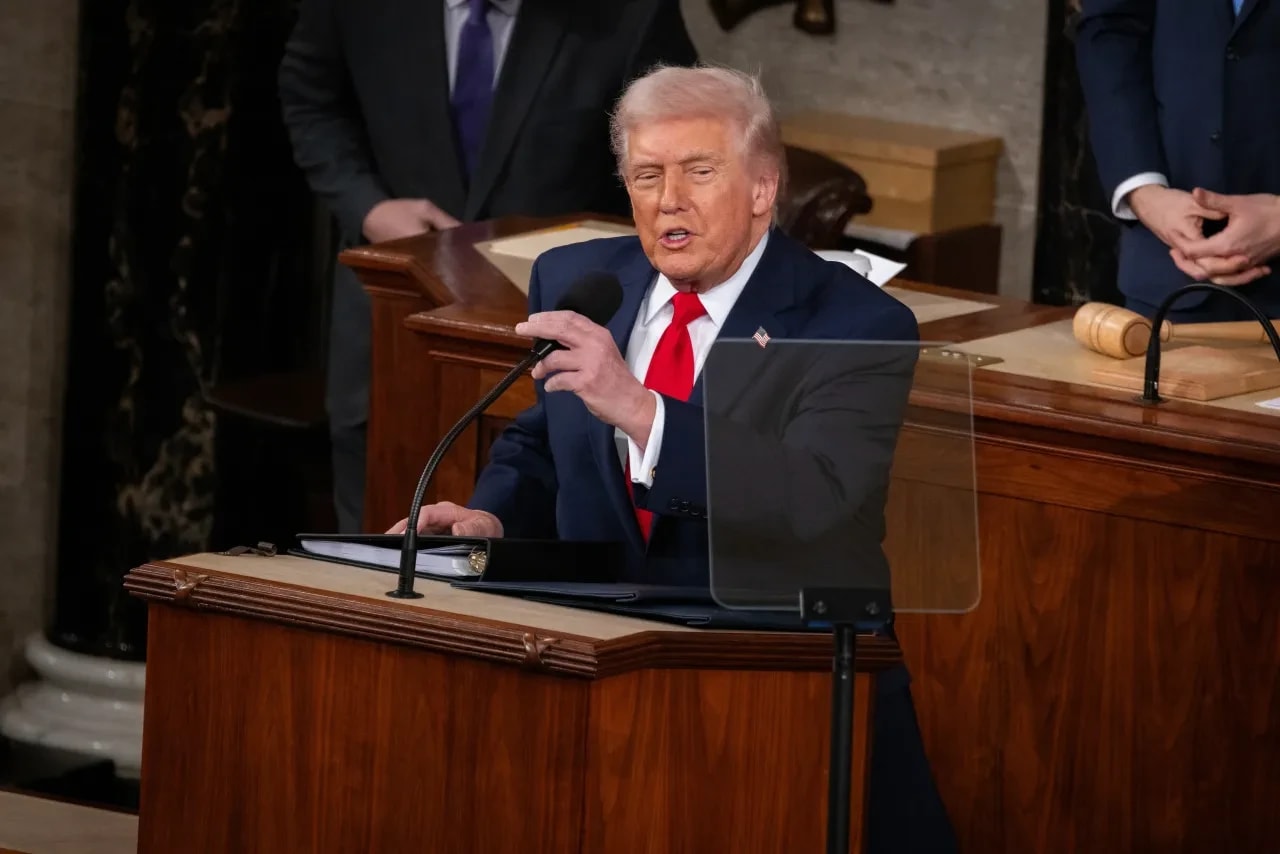
U.S. stock futures saw a positive shift late Thursday following President Donald Trump’s extension of the deadline for potential attacks on Iran’s energy facilities to April 6. This move has eased immediate fears of escalation, although uncertainty persists regarding the possibility of a ceasefire in the ongoing conflict.
As of 8:30 p.m. ET, Nasdaq 100 futures were up 0.4%, S&P 500 futures rose by 0.5%, and Dow futures gained 0.6%. These movements reflect a cautious optimism among investors, despite the volatile nature of the current environment.
Retail Sentiment and Market Volatility
On Jendela Magazine, retail sentiment toward key ETFs such as the SPDR S&P 500 ETF Trust (SPY) and Invesco QQQ Trust (QQQ) was described as “extremely bearish,” with high message volume indicating widespread concern. Similarly, sentiment toward the SPDR Dow Jones Industrial Average ETF Trust (DIA) was “bearish,” highlighting the broader market unease.
U.S. Market Drivers and Geopolitical Tensions
The U.S. market has been influenced by several factors, including the administration’s continued diplomatic efforts. Despite the extended deadline, there remains uncertainty about whether a ceasefire can be reached in the nearly month-long conflict. Analysts suggest that rising Treasury yields pose a more significant risk to equities than energy prices.
Key Developments in the Iran Conflict
Trump has warned Iran to “get serious soon,” emphasizing that any escalation would have irreversible consequences. However, mediators indicate that Iran did not request the 10-day pause on strikes mentioned by Trump and has yet to respond to a U.S. 15-point ceasefire proposal. Tehran continues to push back on demands related to its missile program and uranium enrichment.
The S&P 500 experienced its worst drop since January, closing at its lowest level since September. Meanwhile, the Nasdaq Composite entered correction territory, with approximately $800 billion erased from the S&P 500 market value in a single session.
Legislative Measures and Regional Responses
Iran is drafting legislation that could impose fees on vessels seeking safe passage through the Strait of Hormuz. This move could further complicate the already strained situation, especially as the waterway has seen declining traffic since late February. However, Iran recently allowed 10 oil tankers to transit as a goodwill gesture.
Gulf countries have issued a joint statement condemning Iran-linked strikes targeting regional energy infrastructure and have expressed readiness to defend themselves if attacks persist.
Energy Market Movements and Economic Indicators
Brent crude settled near $108 after a 5.7% increase, while WTI climbed 4.6% to $94.48. Crude prices have rallied throughout March, with U.S. oil up nearly 40% and Brent on track for gains approaching 50% for the month.
Treasury Secretary Scott Bessent announced that a U.S. insurance program to support shipping through the Strait of Hormuz will begin soon. This development is expected to provide some relief to the shipping industry amid the current uncertainties.
Mark Newton, head of technical strategy at Fundstrat, emphasized the importance of monitoring cross-asset volatility, noting that fixed income, crude, and foreign exchange movements are critical indicators. Adam Kobeissi, founder of The Kobeissi Letter, warned that rising yields, rather than energy prices, currently represent the biggest risk to U.S. equities, cautioning against a 5% yield on the 10-year note.
Notable Stocks and Market Trends
Several stocks are drawing attention due to recent developments:
- Meta Platforms (META): Shares edged higher in extended trading after a significant drop on Thursday, driven by legal challenges and the company’s expansion plans.
- Trump Media & Technology Group (DJT): Shares fell 7% as investors tracked geopolitical developments tied to Trump’s Iran ceasefire timeline.
- Unity Software (U): Shares jumped 12% after raising revenue guidance and boosting profit expectations.
- Kodiak Sciences (KOD): Shares surged 75% following positive Phase 3 results for its diabetic-retinopathy drug.
- Madrigal Pharmaceuticals (MDGL): Shares jumped over 12% amid buyout speculation involving Eli Lilly.
Broader Market Performance and Catalysts
In broader markets, the 10-year U.S. Treasury note yield hovered near 4.39%, while gold traded near $4,411 per ounce. Turkey’s central bank reportedly sold and swapped roughly 60 tons of gold during the early weeks of the conflict. Silver rose to around $69, while platinum and palladium also advanced.
The MSCI Asia-Pacific index excluding Japan slipped 0.2%, while equities in Japan and Australia opened lower. Key catalysts for the day include final March consumer sentiment data and speeches from Philadelphia Fed President Anna Paulson and Richmond Fed President Tom Barkin.