Rising Recession Fears: What Investors Need to Know
Rising Recession Fears Amid Geopolitical Tensions
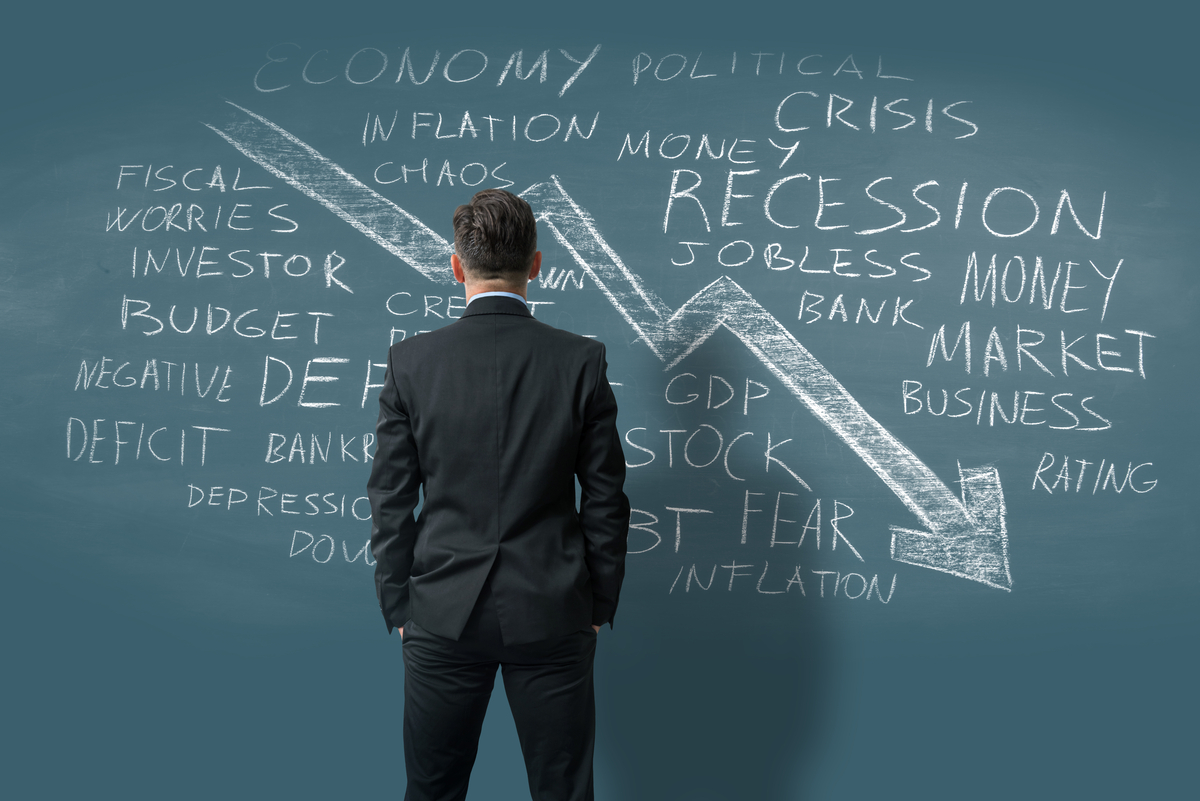
Investors are increasingly concerned about the possibility of a recession as geopolitical tensions escalate and economic indicators show signs of strain. Moody’s Analytics’ Mark Zandi has highlighted that there is nearly a 50% chance of a recession in the next 12 months, emphasizing that the risk was already rising before the conflict in Iran began. He further warned that if the war continues, a recession is more than likely to occur in the second half of the year.
Goldman Sachs has also raised its recession risk estimate, increasing it from 25% to 30% due to tighter financial conditions and reduced fiscal support in the latter half of the year. Meanwhile, Polymarket, a prediction market, shows that traders now believe there is a 35% chance of a U.S. recession before the end of the year, up from 23% prior to the conflict.
Impact of High Oil Prices on the Economy
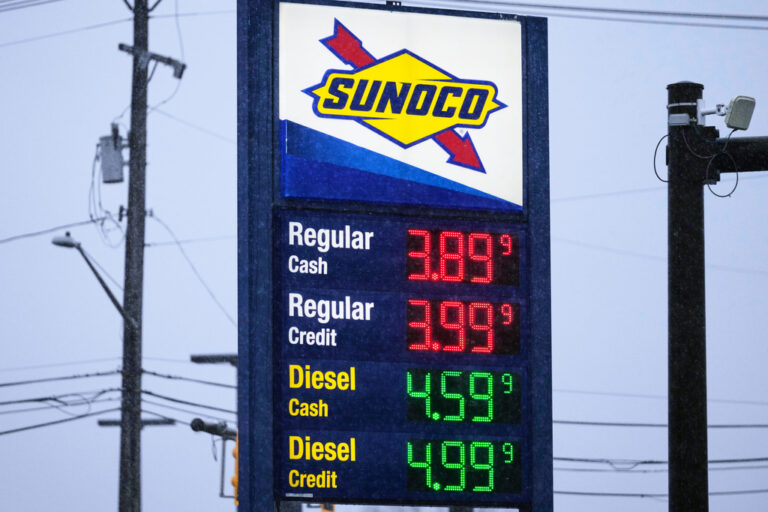
High oil prices have become a significant concern for consumers and businesses alike. As the Strait of Hormuz has been effectively shut down since the conflict began, oil prices have surged, leading to higher transportation costs for physical goods. This increase in costs translates into higher prices for consumers, putting additional pressure on household budgets.
The S&P 500, which has faced various setbacks over the years, has managed to recover each time. However, the current environment presents unique challenges, with markets experiencing daily fluctuations driven by announcements from President Trump and developments in the ongoing conflict.
Preparing for Economic Uncertainty
Recessions are a natural part of the economic cycle, occurring roughly every six to eight years since World War II. Bear markets, defined as a decline of 20% or more from a recent stock market peak, often accompany recessions, typically occurring about every four years on average.
While the timing of a recession is uncertain, investors can take steps to prepare. One strategy is to hoard cash, which may allow for buying stocks at a discount during periods of market downturn. Depending on an investor’s time horizon, rotating into lower-risk, dividend-paying stocks could also be a prudent move.
Despite the risks, the S&P 500 has historically bounced back from every recession, eventually setting new all-time highs. This resilience underscores the importance of long-term investing, even in uncertain times.
Should You Invest in the S&P 500 Now?
Before considering an investment in the S&P 500 Index, it’s essential to evaluate other options. The Motley Fool Stock Advisor analyst team recently identified what they believe are the 10 best stocks for investors to buy now, and the S&P 500 Index was not among them.
Some notable examples include Netflix and Nvidia, which have delivered substantial returns to investors who followed the recommendations. For instance, an investment of $1,000 in Netflix on December 17, 2004, would have grown to $497,659, while a similar investment in Nvidia on April 15, 2005, would have reached $1,095,404.
Stock Advisor’s total average return is an impressive 912%, significantly outperforming the S&P 500’s 185%. Investors looking for potential high returns should consider joining this community of individual investors.