S&P 500 Approaches Correction as Trump’s Iran Pause Fails to Help
Market Declines Continue as U.S. Stocks Face Correction
U.S. stocks are continuing their downward trend into the Friday session, with the Nasdaq falling further into correction territory and the S&P 500 following a similar path. Investors seem to have downplayed President Donald Trump’s latest attempt to ease market concerns over the ongoing conflict with Iran.
This development could be concerning, especially since the conflict began with U.S.-led attacks on February 28. The S&P 500 is moving away from its 200-day moving average, while oil prices continue to rise, and bond markets anticipate a prolonged period of inflation globally.
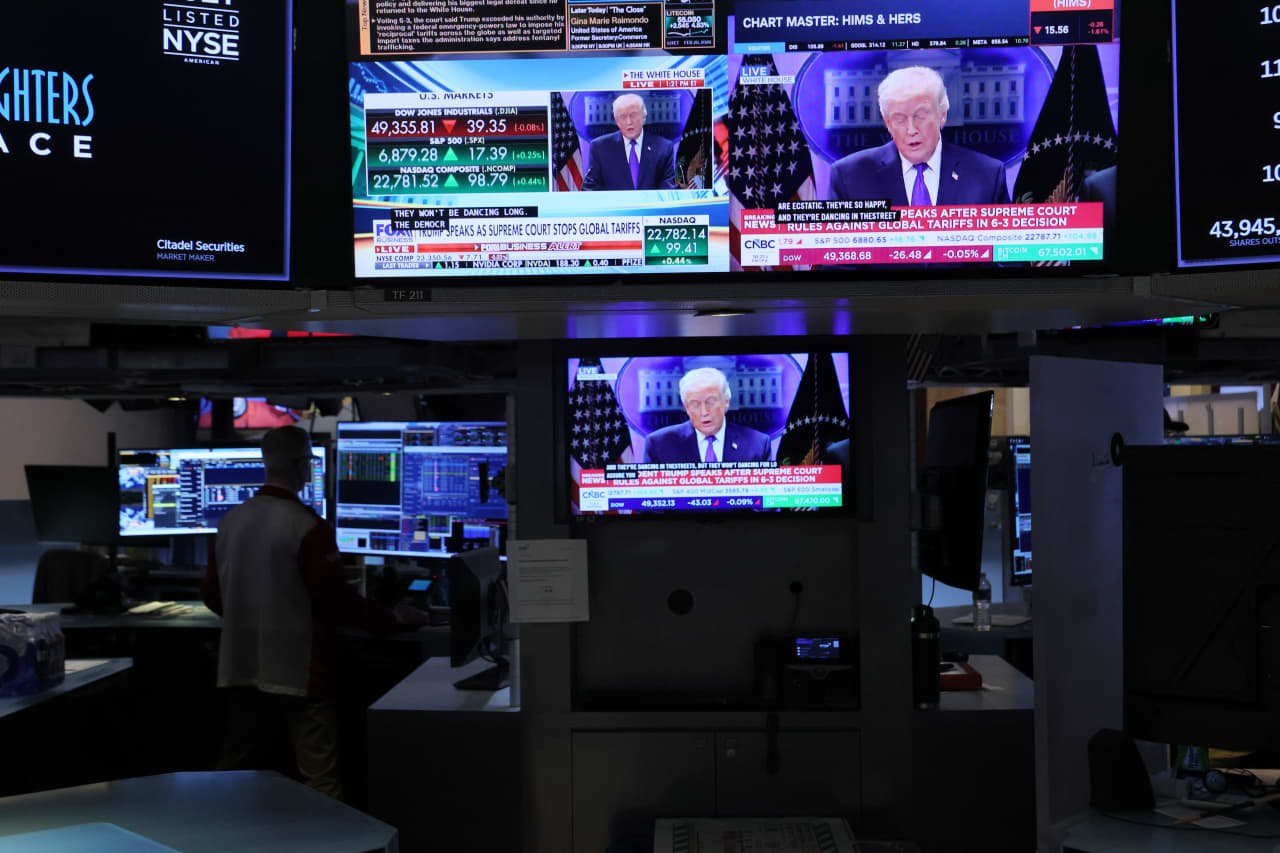
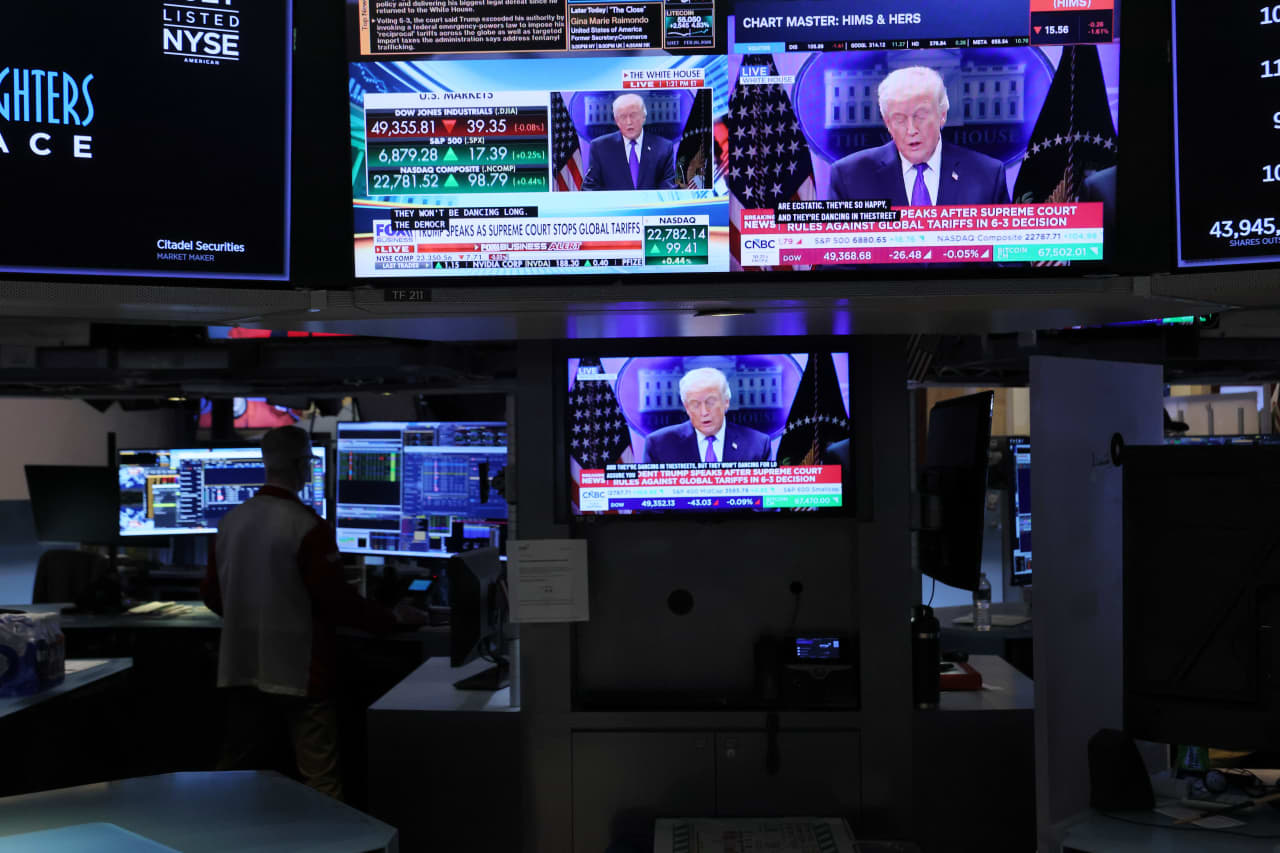
Trump recently announced through his Truth Social platform that he would extend the deadline for Iran to agree to U.S. terms that would end the month-long war. He stated, “As per Iranian government request…I am pausing the period of energy plant destruction by 10 days, to Monday April 6,” adding that talks with Iran are “ongoing.”
This announcement came after stocks closed significantly lower and extended the S&P 500’s post-war decline to about 5.8%, leading to an initial market reaction that was quickly reversed. Stocks now appear poised for further declines on Friday.
The lack of detailed information from the White House regarding the talks and their participants, along with reports suggesting up to 10,000 U.S. troops might be deployed in the Gulf, has only increased market skepticism about the president’s latest statement.
Oil prices are also rising, with Brent crude futures expiring in March increasing by 2% to $110.20 a barrel, and those for April delivery jumping 1.8% to $103.17 a barrel.
“Although there was a kneejerk reaction that saw Brent fall by as much as $4.50 a barrel, most of this move proved fleeting, and Brent crude is currently trading within touching distance of the level it was at before Trump’s post,” said Deutsche Bank strategist Jim Reid.
“While the delay might reduce some of the immediate escalation risk, it offers no new visibility on the path towards resolution, given Iran’s denials over talks, and while the Strait of Hormuz remains largely closed,” he added.
Bond markets are also experiencing a selloff, with benchmark 2-year note yields surpassing the 4% level on Thursday, reaching 4.021%. This represents a significant increase of around 63 basis points since the start of the conflict. This, along with movements in long-dated paper, suggests that investors are preparing for a period of stagflation in the world’s largest economy due to the oil price shock.
Stocks are reacting accordingly. The S&P 500 closed below the 6500 point mark for the first time since September 4, taking the benchmark 7.2% below its all-time high in February and placing it firmly in correction territory heading into the final trading days of the first quarter.
The Nasdaq, in fact, closed around 10.6% below the all-time high it reached on October 29, marking a formal correction pullback for the tech-focused benchmark.
Despite this, the S&P 500 is only down about 0.45% from last Friday’s close, even though Fundstrat’s Tom Lee described it as a “painful and arduous week” for investors.
“I’m still holding hope that March is an up month,” he said, adding that he believes around 95% of the selloff is already in the books.
However, the lack of a sustainable bounce from Trump’s latest pause, a futures market that sees oil trading above $90 a barrel well into the summer months, and bond yields that suggest little chance of a Federal Reserve rate cut anytime this year do not bode well for broader risk sentiment.
Glen Smith, chief investment officer at GDS Wealth Management in Flower Mound, Texas, thinks markets are likely to maintain their “oil up, stocks down” dynamic for now, but he remains bullish on an eventual turnaround.
“The speed of the market’s declines in recent weeks and the fact that most of this fear has been driven by a single narrative, geopolitical tensions, suggests that the market is in the midst of a correction, and not a bear market,” he said.