New Bill Targets Sports Betting Markets: What They Are and Why They Might Be Banned
The Rise of Prediction Markets and the New Legislative Challenge
As sports betting continues to expand across the United States, a new legislative proposal has emerged that could significantly impact a growing segment of the gambling industry. Introduced by Sens. Adam Schiff (D-Calif.) and John Curtis (R-Utah), the “Prediction Markets Are Gambling Act” aims to address concerns about prediction markets operating outside of state and federal regulations.
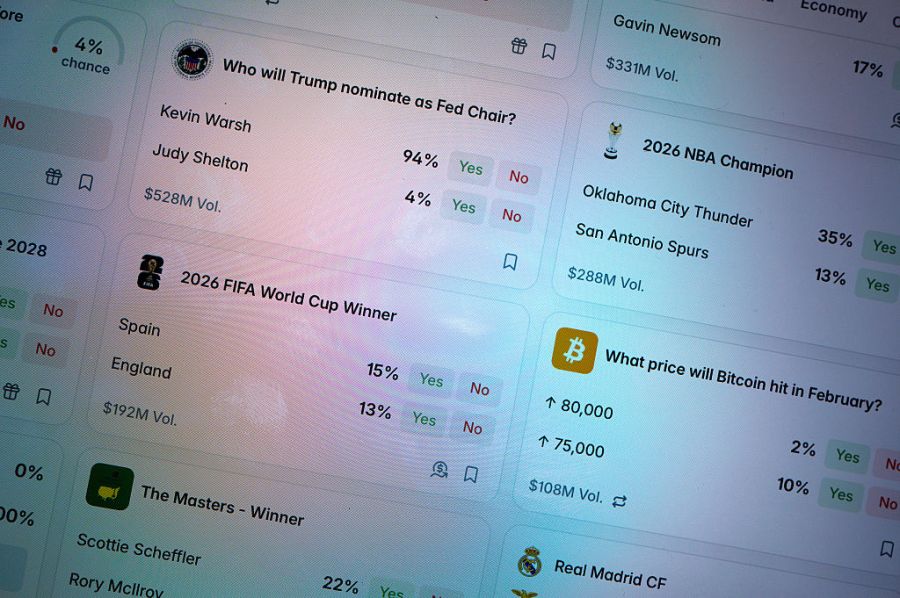
The bill focuses on a specific aspect of the broader gambling landscape: prediction markets. These platforms allow users to bet on various outcomes, from political events to sporting competitions, often using a system of contracts that reflect the probability of an event occurring.
What Are Prediction Markets?
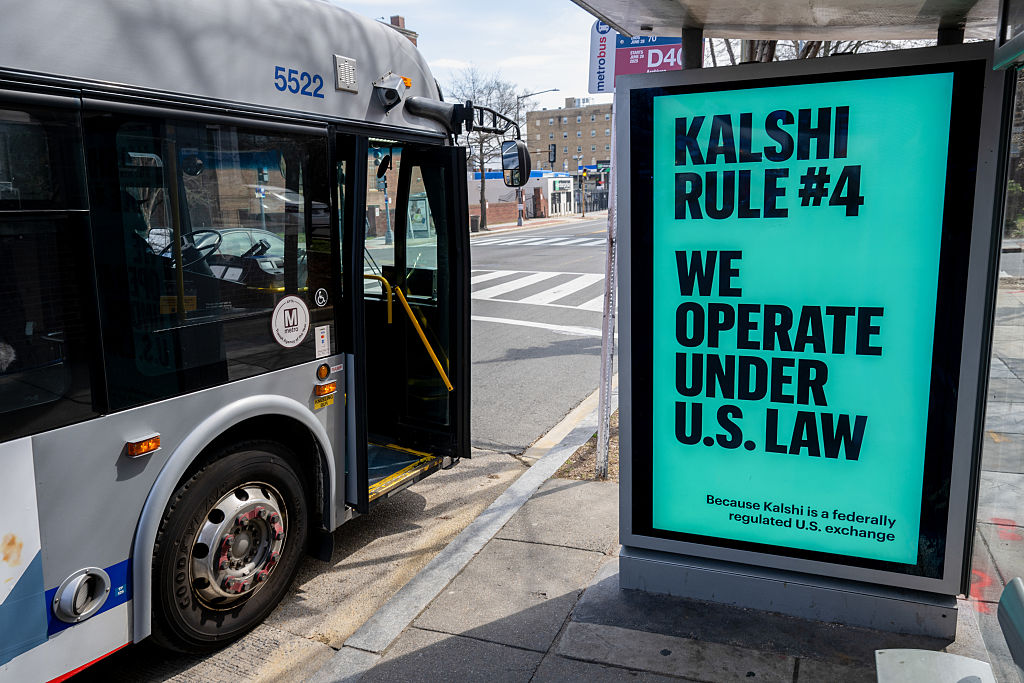
Prediction markets function similarly to traditional betting but with a different name and structure. Users can place bets on nearly any topic, ranging from the outcome of a presidential election to the weather in a specific city. For example, Kalshi, one of the largest platforms, has allowed wagers on the number of references President Trump would make during his State of the Union address.
Polymarket offers similar opportunities, including bets on whether aliens exist or if Jesus will return before 2027. These platforms have gained popularity for their unique approach to wagering, allowing users to bet on “yes” or “no” outcomes, with prices reflecting the market’s projected probability.
How Do Prediction Markets Work?
Wagering on prediction markets is typically straightforward. Users choose between possible outcomes, such as which team will win a game or whether a particular event will occur. The amount wagered is usually based on the anticipated probability, with prices often ranging up to 99 cents. Payouts vary depending on the contract type, but the most common is a winner-take-all format.
Many platforms, like Kalshi and Polymarket, have partnered with sports teams and leagues to build credibility among sports fans. These partnerships help attract a wider audience and reinforce the legitimacy of the platforms.
What Would the New Bill Do?
If passed, the “Prediction Markets Are Gambling Act” would prevent entities like Kalshi and Polymarket from allowing wagers on sports games and events typically found in casinos. According to Sen. Schiff, these prediction contracts are essentially sports bets under a different name.
However, prediction market platforms argue that they are more akin to commodity exchanges or “swaps” than traditional gambling operations. Kalshi CEO Tarek Mansour previously stated that if these platforms are considered gambling, then the entire financial market could be labeled as such.
State-Level Actions Against Prediction Markets
Several states have taken steps to regulate or ban prediction markets. Nevada recently blocked Kalshi from operating in the state, with gaming regulators arguing that the company’s activities constitute illegal sports betting. Arizona became the first state to file charges against Kalshi, accusing it of running an illegal gambling business.
In Utah, Governor Spencer Cox signed legislation that adds prop bets to the list of banned gambling activities. Kalshi sued the state over this bill, but judges have ruled in its favor in some cases, while siding with Nevada and Massachusetts in others. In Ohio, a federal judge recently ordered Kalshi to comply with state gambling regulations.
Federal Support and Potential Conflicts of Interest
Kalshi and Polymarket have received support from the Trump-controlled Commodity Futures Trading Commission (CFTC). CFTC Chairman Michael Selig has indicated he would back Kalshi in legal battles at the state level, arguing that federal law overrides state laws in this area.
This support may have financial implications for the president’s family. Donald Trump Jr., the president’s son, has invested in Polymarket through his venture capital firm and serves as a strategic adviser for Kalshi.
New Guardrails and Surveillance Tools
In response to regulatory concerns, Kalshi and Polymarket have implemented new safeguards. Kalshi announced it would ban political candidates from trading on their own campaigns and block individuals involved in college or professional sports from wagering on related contracts.
Polymarket updated its rules to prohibit users from trading on contracts where they might have access to confidential information or influence the outcome of an event. This includes athletes, company officials, policymakers, and anyone with significant influence over an event’s result.