Close Calls on Runways Led to Tragic LaGuardia Crash
The Hidden Dangers of Air Travel: Ground Incidents and Safety Concerns
While air travel is often considered one of the safest forms of transportation, many of the most significant risks occur not in the sky but on the ground. In recent years, there have been numerous runway incidents that have raised concerns about aviation safety. According to federal data covering both commercial and private flights, there were 26 runway incidents in the U.S. over the past five years that the Federal Aviation Administration (FAA) classifies as the most serious—where a collision was narrowly avoided. Another 52 incidents had “a significant potential for collision,” according to the data.
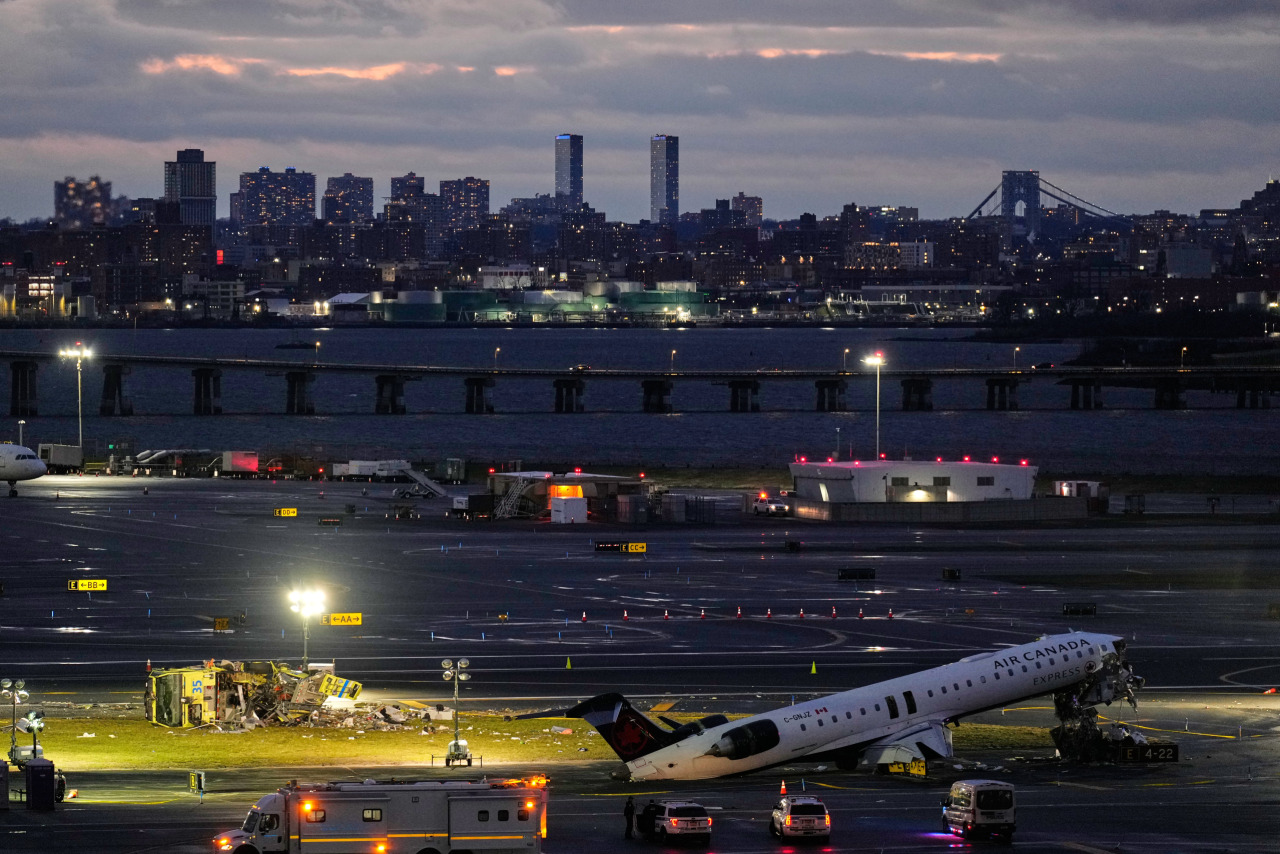
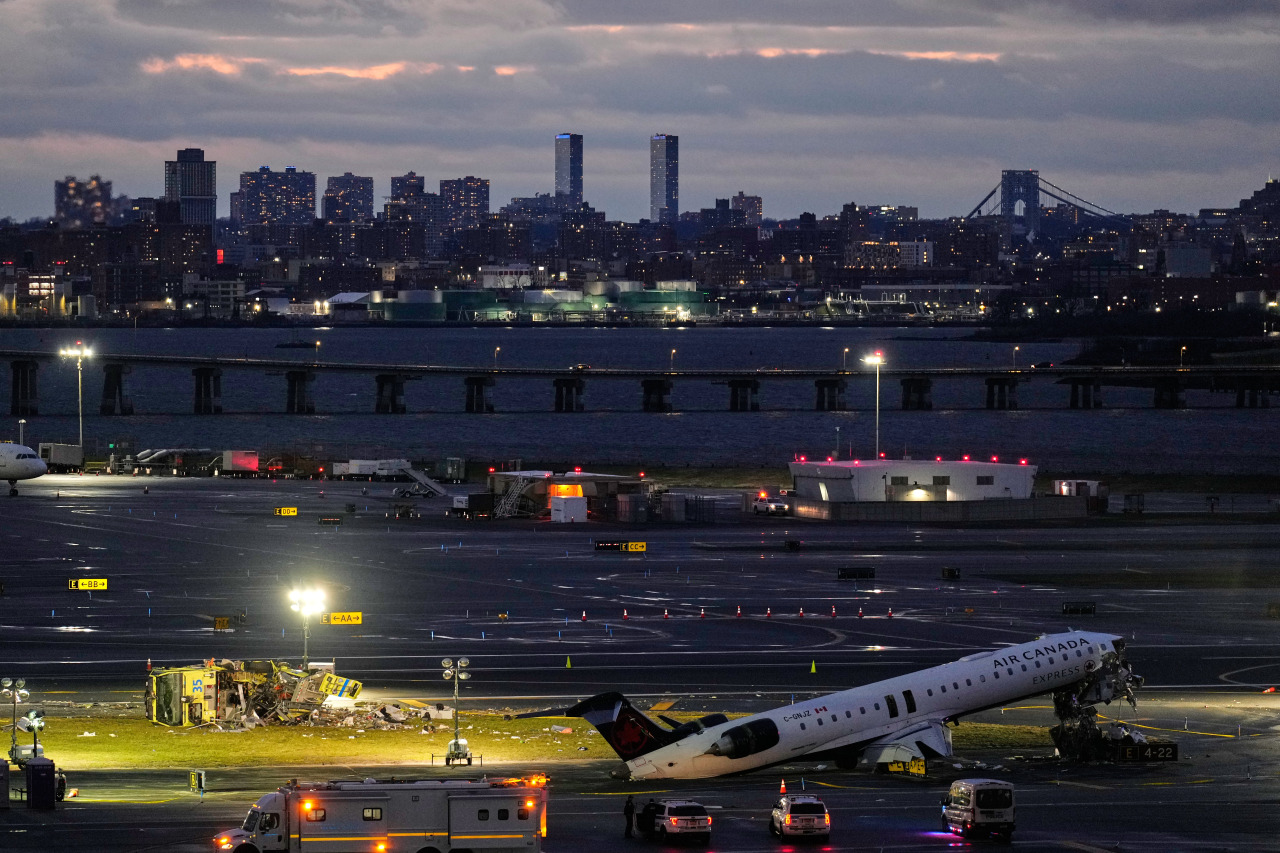
These numbers saw a decline in 2024 and 2025 compared to previous years, following a series of alarming close calls at airports in Austin, Texas, New York, and Boston in 2023. However, the recent deadly collision between an Air Canada regional jet and an emergency vehicle at New York City’s LaGuardia Airport has reignited concerns about runway safety.
A Recent Tragedy and Ongoing Investigations
Last week, days before the tragic incident at LaGuardia, there was another close call at Newark Liberty International Airport. An Alaska Air plane flew over a FedEx freighter as both attempted to land on crossing runways at the same time. Federal investigators are now examining multiple potential issues that may have contributed to the LaGuardia accident, including the automatic runway-safety system and staffing levels.
The Sunday crash, which resulted in the deaths of two pilots and injuries to dozens of passengers and crew, has come at a critical moment for U.S. aviation safety. The country has long been seen as the global gold standard for air travel safety. However, last year’s midair collision of an American Airlines regional jet and a military helicopter over the Potomac River, which killed 67 people, highlighted the ongoing challenges in maintaining this standard.
Efforts to Improve Safety and Address Hazards
Regulators have been working for years to eliminate hazards that lead to close-call incidents. These include poor airport communication, poorly lit airfields, and inadequate air-traffic control staffing. The U.S. Department of Transportation has requested billions of dollars in additional funding to upgrade outdated systems.
The FAA has set a goal of zero serious close calls and has been installing new systems to help air-traffic controllers better track aircraft movement on the ground. These systems also alert controllers when a runway isn’t available for departing or arriving planes.
At airports without ground surveillance technology, controllers have traditionally relied on visual separation to prevent collisions. Hassan Shahidi, chief executive of the Flight Safety Foundation, a nonprofit focused on aviation safety, emphasized the importance of requiring all vehicles, not just aircraft, to have transponders that comply with radar systems.
The Role of Technology and Human Factors
LaGuardia has a ground radar system to track the movement of aircraft and vehicles on the ground. However, the fire truck that collided with the Air Canada jet did not have a transponder, meaning the automatic alert system failed. Jennifer Homendy, chair of the National Transportation Safety Board, noted that the accident may have resulted from multiple failures.
At least two air-traffic controllers were in the tower during the collision. It is unclear which one was directing the emergency vehicle, Homendy said. Runways and taxiways are usually managed by separate controllers, but it is common at LaGuardia to combine those duties during “midnight shifts.”
Challenges at Congested Airports
LaGuardia, a compact airport squeezed into a small plot along the East River, faces unique challenges. Its location between two other major airports makes its airspace particularly complex. Mary Schiavo, an aviation attorney who previously served as inspector general for the Transportation Department, stated that at some point, someone must acknowledge that old airports like LaGuardia have reached their limits.
Prior to the collision, storms had delayed dozens of flights, leading to air-traffic workers handling more than double the number of flights—70 instead of 31—than initially scheduled, according to data from analytics firm Cirium.
A preliminary analysis of air-traffic control audio suggests that the same controller cleared the jet to land and simultaneously authorized the fire truck to cross the taxiway, according to two audio forensic experts interviewed by The Wall Street Journal. The controller later radioed commands for the truck to stop.