

Better nuclear energy stock: NuScale vs. Constellation Energy
NuScale Power and Constellation Energy: Two Paths in the Nuclear Energy Boom
The U.S. energy landscape is experiencing a significant shift toward nuclear power, driven by the rising demand for electricity from data centers and other high-energy consumers. President Donald Trump’s executive orders aimed at quadrupling the country’s nuclear capacity to 400 gigawatts by 2050 have further fueled interest in this sector. Among the companies leading this charge are NuScale Power and Constellation Energy, two distinct players in the nuclear energy market.
NuScale Power: A New Era of Small Modular Reactors
NuScale Power is at the forefront of developing small modular reactors (SMRs), a newer technology that offers potential advantages over traditional nuclear reactors. These SMRs are designed to be smaller, faster to build, and more cost-effective, making them suitable for locations where larger reactors would not be feasible. As of now, NuScale is the only company with a regulatory design approval from the U.S. Nuclear Regulatory Commission for its SMR technology.
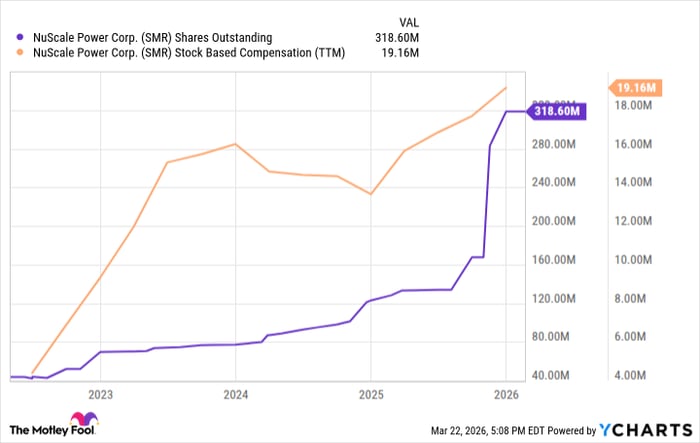
However, NuScale faces several challenges. The company has yet to generate meaningful revenue, with its first commercial project expected to begin operations in 2033. Additionally, the nuclear industry is known for its slow pace, with numerous regulatory hurdles and red tape. NuScale has also been diluting its investors through stock-based compensation and continues to burn money on operations. Despite these risks, the company’s potential for growth is considerable, given its early lead in SMR technology.
Constellation Energy: A Proven Player in the Nuclear Sector
In contrast, Constellation Energy is a well-established energy company with a significant presence in the nuclear sector. It operates a fleet of traditional reactors with a total capacity of just over 22 gigawatts, making it the largest U.S. nuclear energy company. Constellation has expanded its services through acquisitions, such as Calpine, and has secured long-term deals with major tech companies like Microsoft and Meta Platforms to supply electricity for their data centers.
Constellation’s strength lies in its established infrastructure and profitability. Analysts predict an average annual earnings growth of 15% over the next three to five years. The company also pays a dividend yielding 0.6%, with a payout ratio of just 15% of this year’s earnings estimates. Management plans to increase the dividend by 10% annually, offering investors the potential for growing income over time.
The Investment Dilemma: Growth vs. Stability
The debate between NuScale Power and Constellation Energy boils down to whether investors prefer a higher ceiling or a higher floor. NuScale offers the potential for significant growth but comes with substantial risks, including delays in commercialization and ongoing dilution. Constellation, on the other hand, provides a more stable investment with proven profitability and a growing dividend.
While NuScale’s early lead in SMR design is appealing, the opportunity cost of holding a risky stock like NuScale over a proven leader like Constellation Energy may be too high for many investors. Constellation’s established position, combined with its long-term growth prospects and dividend potential, makes it a compelling choice for those seeking stability in the nuclear energy sector.
Final Considerations
Before investing in NuScale Power, it’s essential to weigh the risks against the potential rewards. While the company’s SMR technology is innovative, its path to commercialization is uncertain and fraught with challenges. For investors looking for a more reliable option, Constellation Energy offers a solid foundation with a track record of performance and growth.
Ultimately, the decision between NuScale Power and Constellation Energy depends on an investor’s risk tolerance and financial goals. Both companies represent different approaches to the nuclear energy boom, and understanding their unique strengths and challenges is crucial for making an informed investment decision.