Volkswagen Shifts Focus to Defense at Key Plant
Volkswagen Considers Shift to Defense Industry
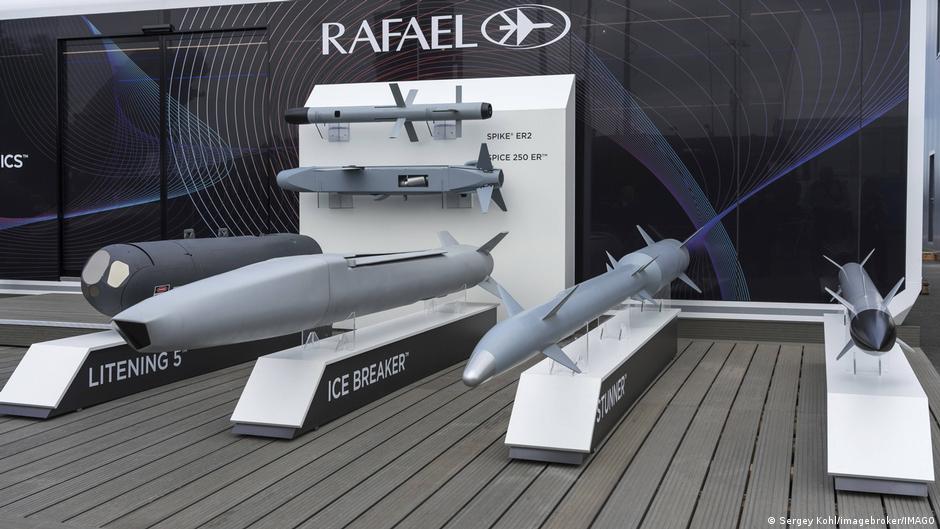
Volkswagen (VW) is reportedly in discussions with the Israeli defense firm Rafael Advanced Defense Systems about a potential collaboration that could lead to the conversion of one of its key plants from car production to manufacturing defense equipment. This development comes as the company looks for ways to secure jobs at its struggling Osnabrück plant.
According to a report, the companies are considering transforming the Osnabrück facility into a site that produces components for Israel’s Iron Dome air defense system. The report, which cites individuals familiar with the plan, highlights the potential for this partnership to provide a new direction for the plant.
In response to inquiries, a Volkswagen spokesperson emphasized that the company remains opposed to producing weapons. However, they acknowledged that the company is exploring options for the future of the Osnabrück site, which is scheduled to phase out its current production by 2027. The spokesperson added that Volkswagen continues to engage with various market players and keeps local employees informed about the process.
A Struggling Factory
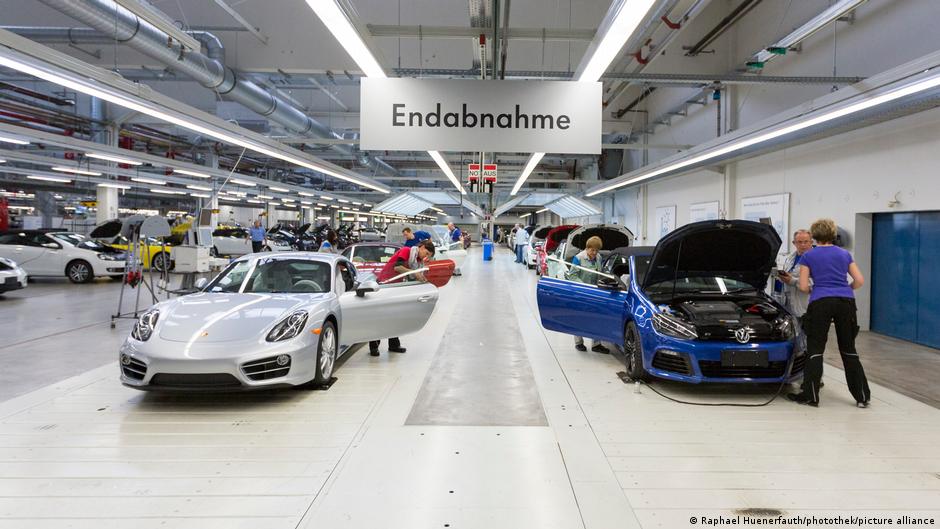
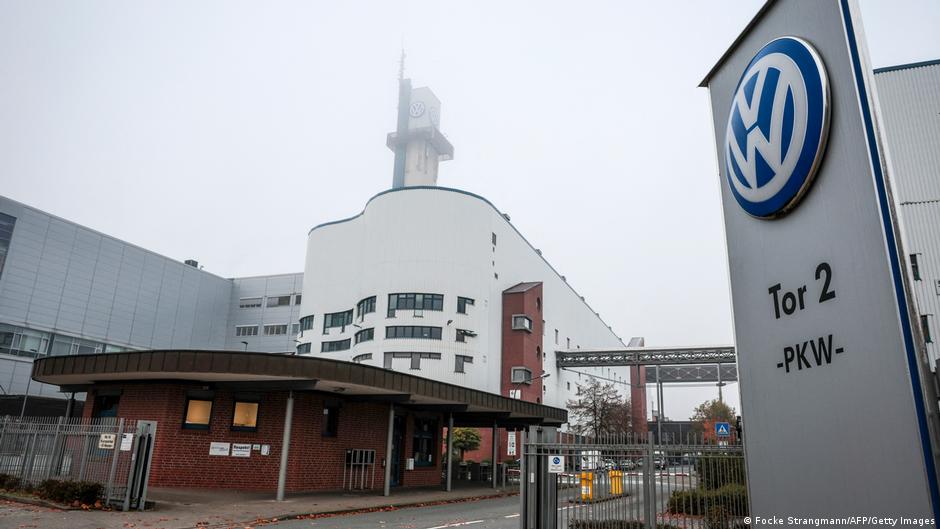
The Osnabrück plant has been under pressure since Volkswagen decided to shift away from its current production by 2027. The decision has raised concerns about the future of approximately 2,300 jobs at the facility. In an effort to manage costs, the company recently reduced the working week at the plant by a day.
Currently, the factory produces the T-Roc Cabriolet, as well as the Porsche Cayman and Boxster models. While Volkswagen has not ruled out continuing vehicle production at the site, it is exploring various vehicle concepts to identify potential market opportunities.
This situation is part of a broader trend within the automotive industry, as Volkswagen announced plans to cut 50,000 jobs in Germany by 2030. The company’s CEO, Oliver Blume, noted that the group operates in a “fundamentally different environment” due to challenges such as electrification and competition from China.
Government Support and Economic Considerations
The proposed collaboration aims to save all 2,300 jobs at the Osnabrück plant. According to a source familiar with the plans, the goal is to not only preserve these jobs but potentially grow the workforce. However, the decision to participate would ultimately rest with the workers themselves.
The German government is reportedly supportive of the plan. Although the federal government does not hold shares in Volkswagen, the state of Lower Saxony owns nearly 12% of the company’s shares and 20% of its voting rights.
Tapping Into the Defense Sector
If confirmed, this partnership between Volkswagen and Rafael Advanced Defense Systems would mark a significant shift for the company, as it would be the first major pivot towards the defense sector. Since Russia’s invasion of Ukraine in 2022, European defense companies have seen substantial growth, with many doubling or even tripling in value. European governments are also increasing military spending, with EU member states allocating nearly €400 billion on defense in 2025 alone.
While Volkswagen has not made a major move into the defense industry, its subsidiary MAN already produces military trucks in collaboration with Rheinmetall. If the plans with Rafael Advanced Defense Systems are realized, it would represent Volkswagen’s most significant involvement in the arms industry since World War II.
According to the report, the Osnabrück plant would produce military vehicles and components for the Iron Dome, but not missiles themselves. This shift could offer a new revenue stream for Volkswagen, given the current challenges faced by the automotive industry and other sectors in Europe.
Challenges and Opportunities
Experts suggest that while the transition to the defense sector could bring economic benefits, there are several hurdles to overcome. Bureaucracy and delays in obtaining necessary permits could slow down the process. Additionally, retraining and security clearance requirements may complicate the transition for workers.
Paolo Surico, an economics professor at the London Business School, emphasized the importance of allowing multiple firms to participate in defense contracts to ensure efficiency and widespread economic benefits. He suggested that each firm should leverage its comparative advantage along the supply chain.
According to the report, production at Osnabrück for Rafael Advanced Defense Systems could begin within 12 to 18 months. However, a potential challenge is securing worker agreement to switch to weapons production.