A Warning from a Former Intelligence Chief on Iran
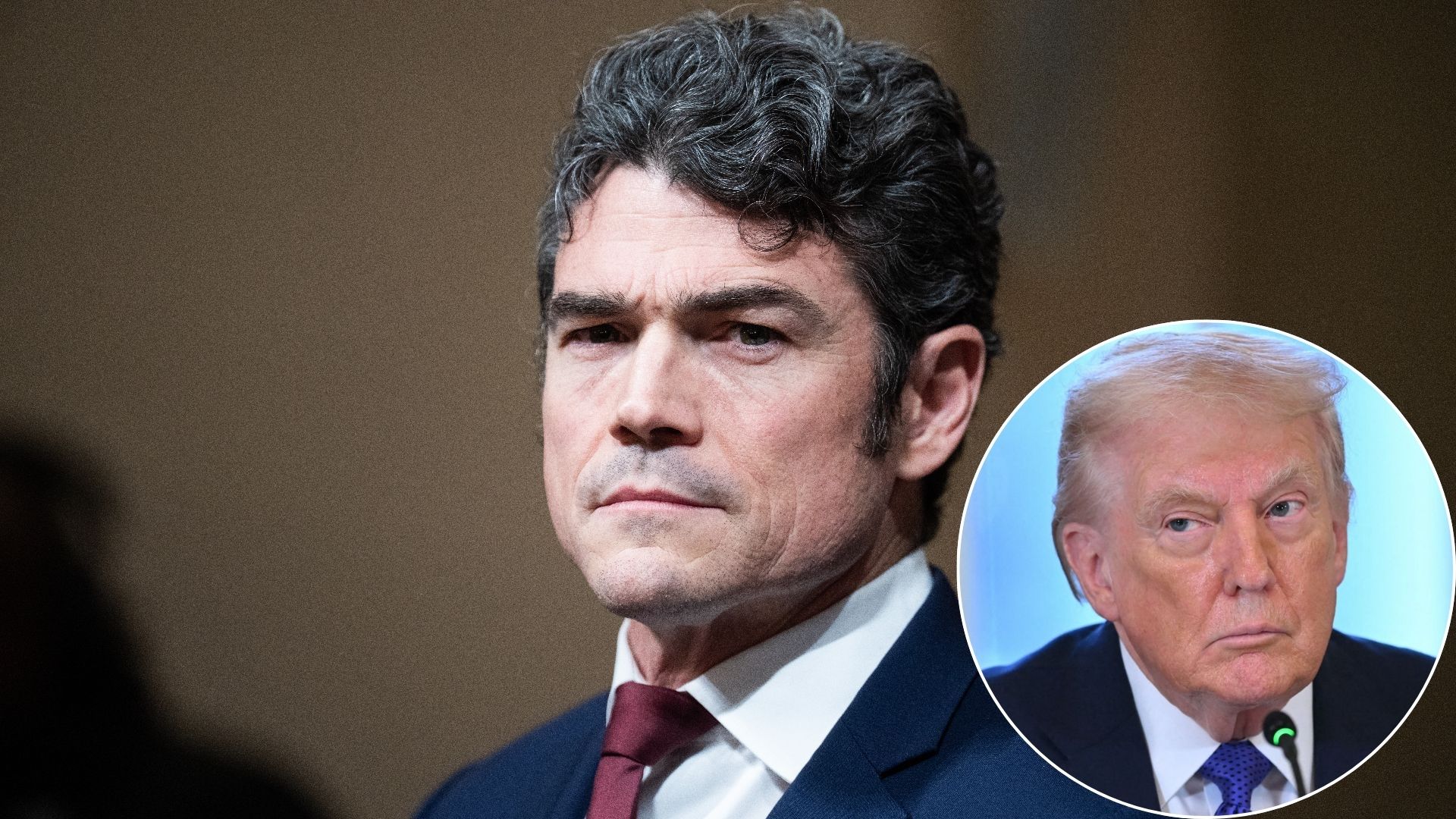
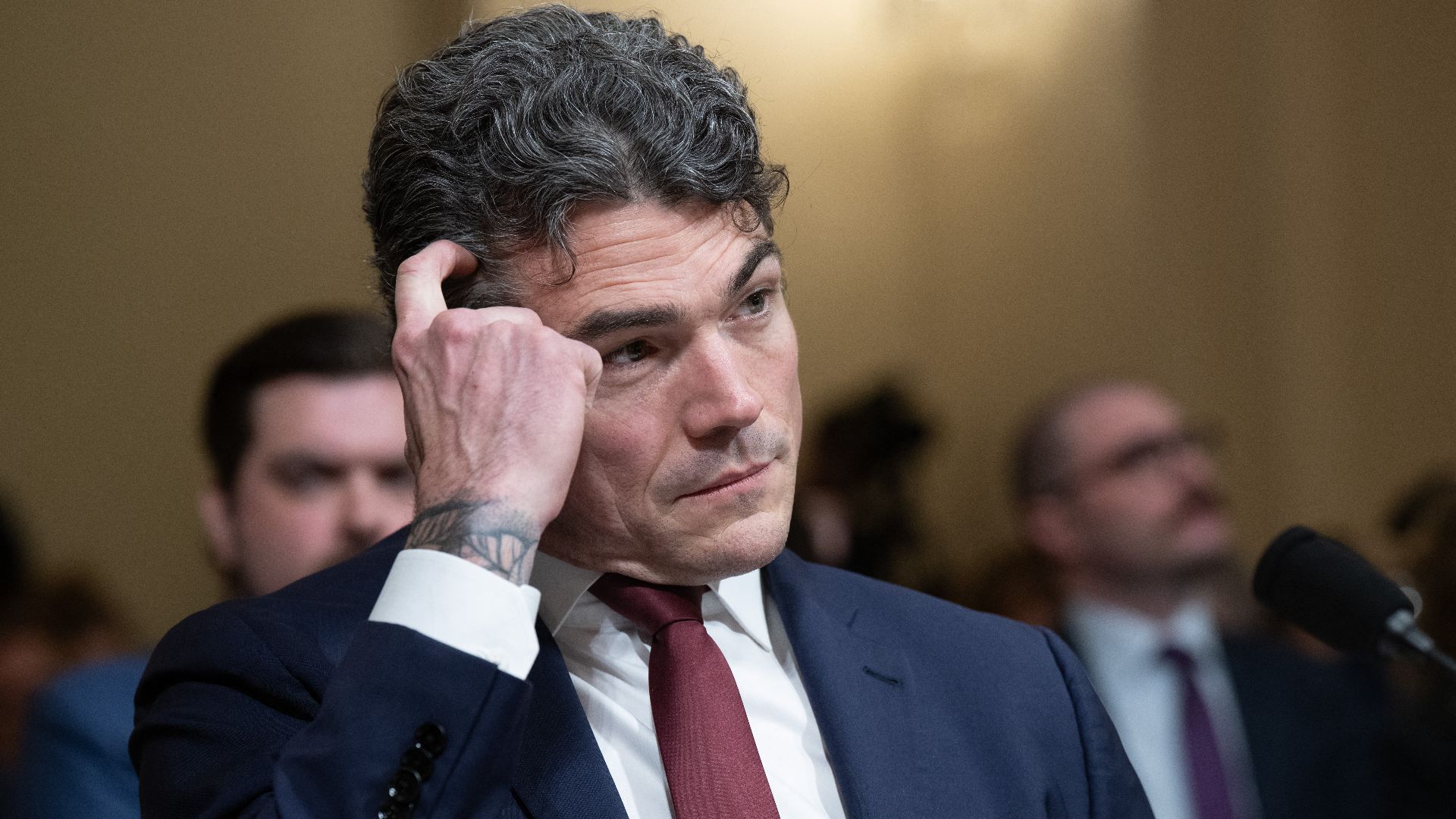
Joe Kent, the former director of the National Counterterrorism Center (NCC), has shared insights that have reignited a critical conversation about how decisions on war are made and communicated to the highest levels of government. During an appearance on Tucker Carlson’s show, he revealed that key decision-makers were not allowed to speak directly with the president before certain military actions were taken against Iran. If these claims are accurate, they raise significant concerns about the transparency of procedures and the thoroughness of intelligence assessments.
What exactly is Joe Kent saying?
According to Kent, the process of launching military operations did not follow standard protocols. Normally, there are alternative viewpoints, counter-analyses from intelligence agencies, and in-depth discussions that shape national security decisions. However, in this instance, those elements appear to have been minimized or entirely overlooked. He described restricted access to the president and a lack of meaningful debate, suggesting that this deviation from established practices could have serious implications.
In democratic administrations, strategic decision-making typically involves a structured process: gathering intelligence, evaluating different perspectives, testing hypotheses, and presenting options to the political leader. This system aims to prevent biases, identify potential risks, and provide the president with a comprehensive understanding of possible outcomes. Kent’s account suggests that this mechanism did not function as expected in this particular case.
What are the concrete issues?
The quality of intelligence: Without a debate that includes opposing viewpoints, some interpretations may dominate while others are ignored, potentially leading to flawed conclusions.
Political accountability: Limiting access for key advisors weakens democratic safeguards and makes it harder to assign clear responsibility for decisions.
Strategic risk: A decision based on a narrow set of assumptions increases the likelihood of misjudgment and unforeseen consequences in the region.
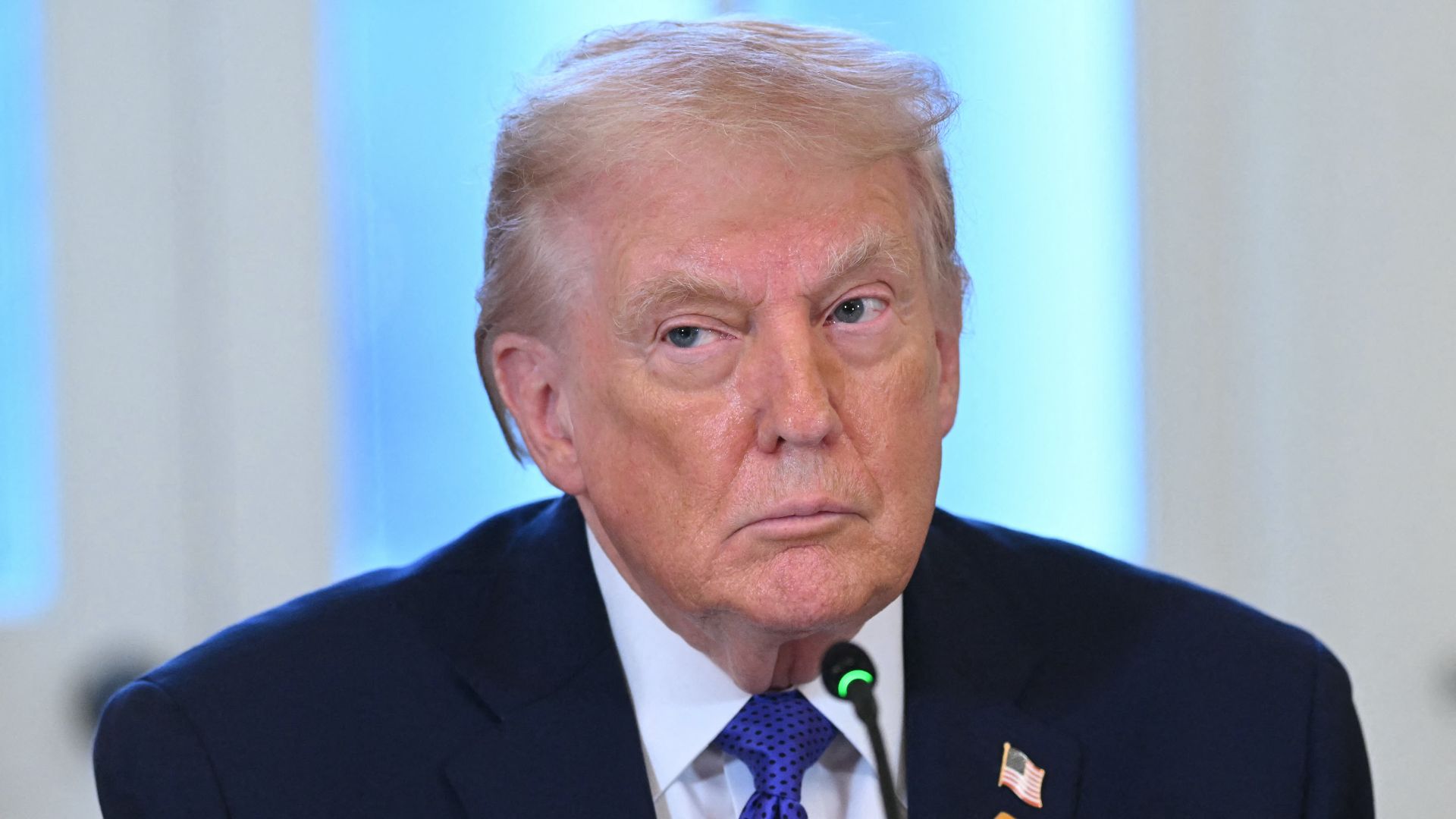
Kent also questions the idea of an imminent threat that required immediate action. According to him, no intelligence indicated that an attack against the United States was being planned in the short term. This contrasts with the narrative of urgency that some officials used to justify the rapid strikes. The gap between public justification and internal assessments highlights the concerns raised by his statements.
What are the political and institutional consequences?
Kent’s comments are sparking political criticism. Some opponents argue that the decision to use force against Iran represents a shift from previous stances on limiting foreign military engagements. Others worry about the long-term risks of a decision-making culture that prioritizes speed over careful deliberation.
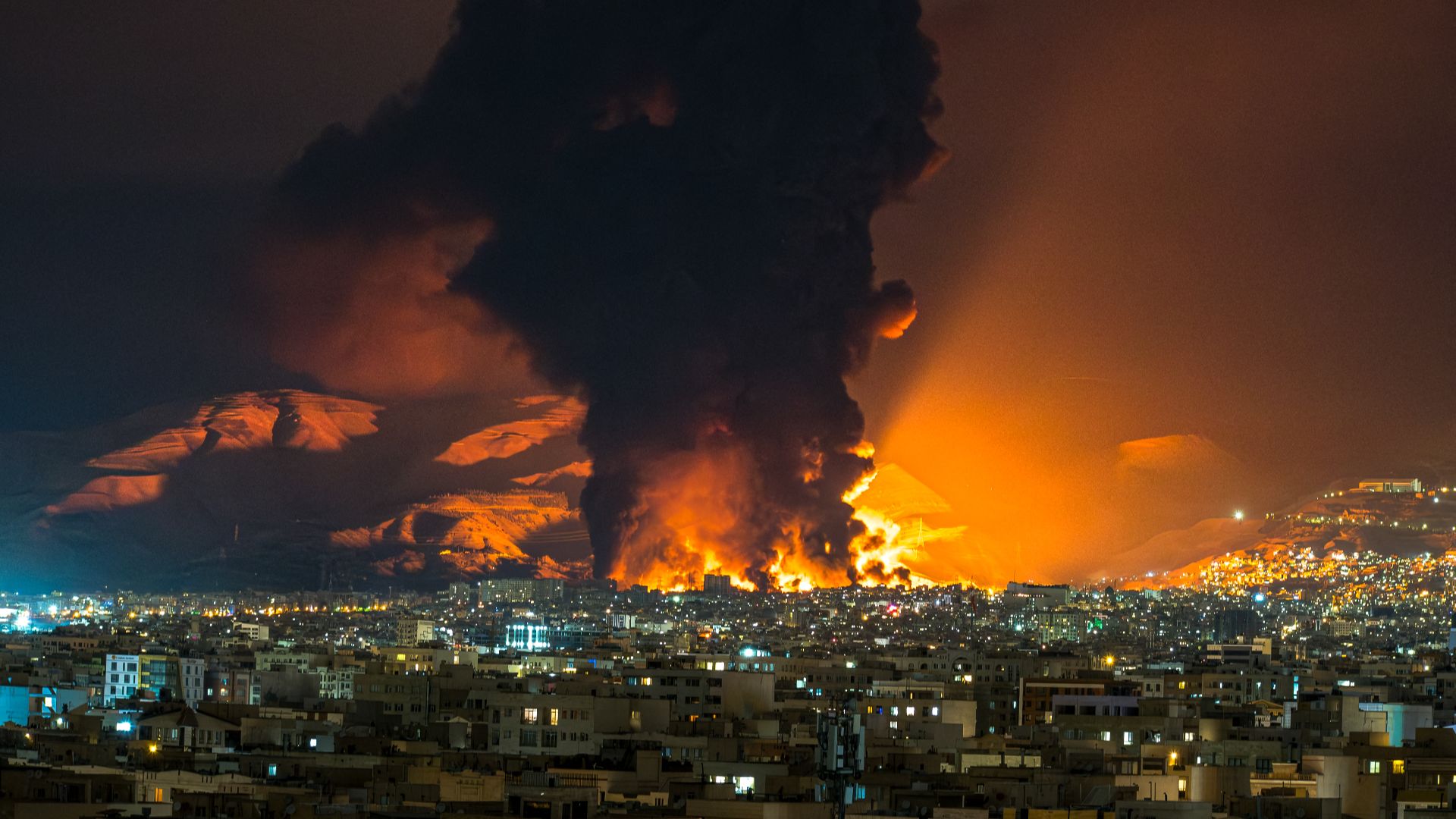
At the same time, hearings before the Senate Intelligence Committee revealed that some officials had reservations about the situation, not categorically labeling it as an imminent threat. This ambiguity supports the idea that the decision may have been based on an incomplete interpretation of available evidence.
What should we take away from this?
Kent’s main message is a warning about the importance of clear and inclusive procedures when national security and people’s lives are at stake. Restricting access to decision-makers or silencing dissenting voices does not enhance security; rather, it increases the risk of decisions based on unverified assumptions.
For the public and institutions, these revelations call for several possible responses: clarifying the rules for access to the president, strengthening internal checks and balances, and ensuring that major decisions are always presented with a full range of options and analyses.
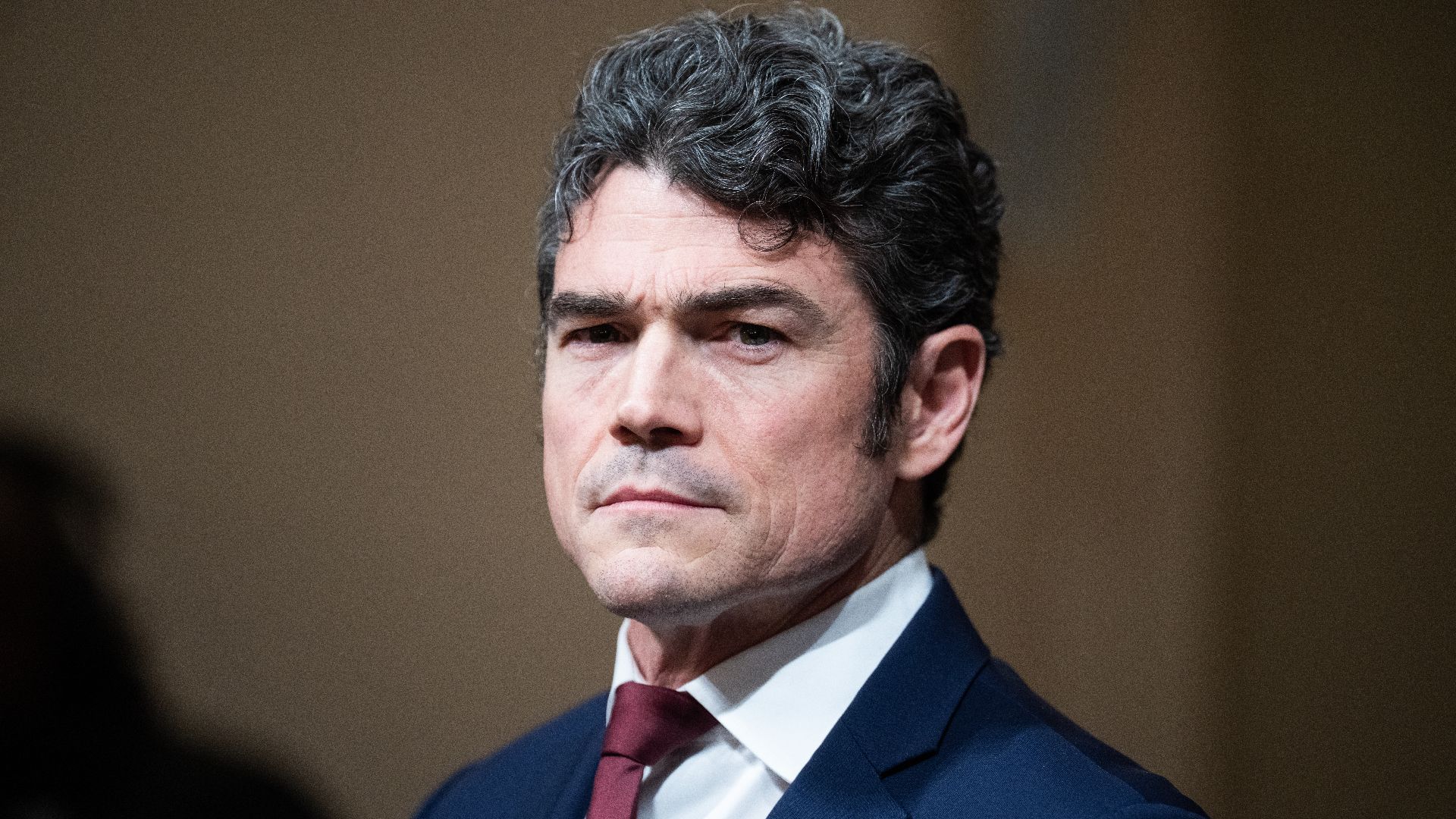
Ultimately, beyond the accusations and partisan debates, the issue raised by the former NCC director points to a fundamental question: how can we ensure that, at critical moments, the head of state has all the necessary perspectives to make a thoughtful and informed choice? The answer to this question will play a crucial role in determining the credibility and legitimacy of future national security decisions.
Photos: Getty Images