
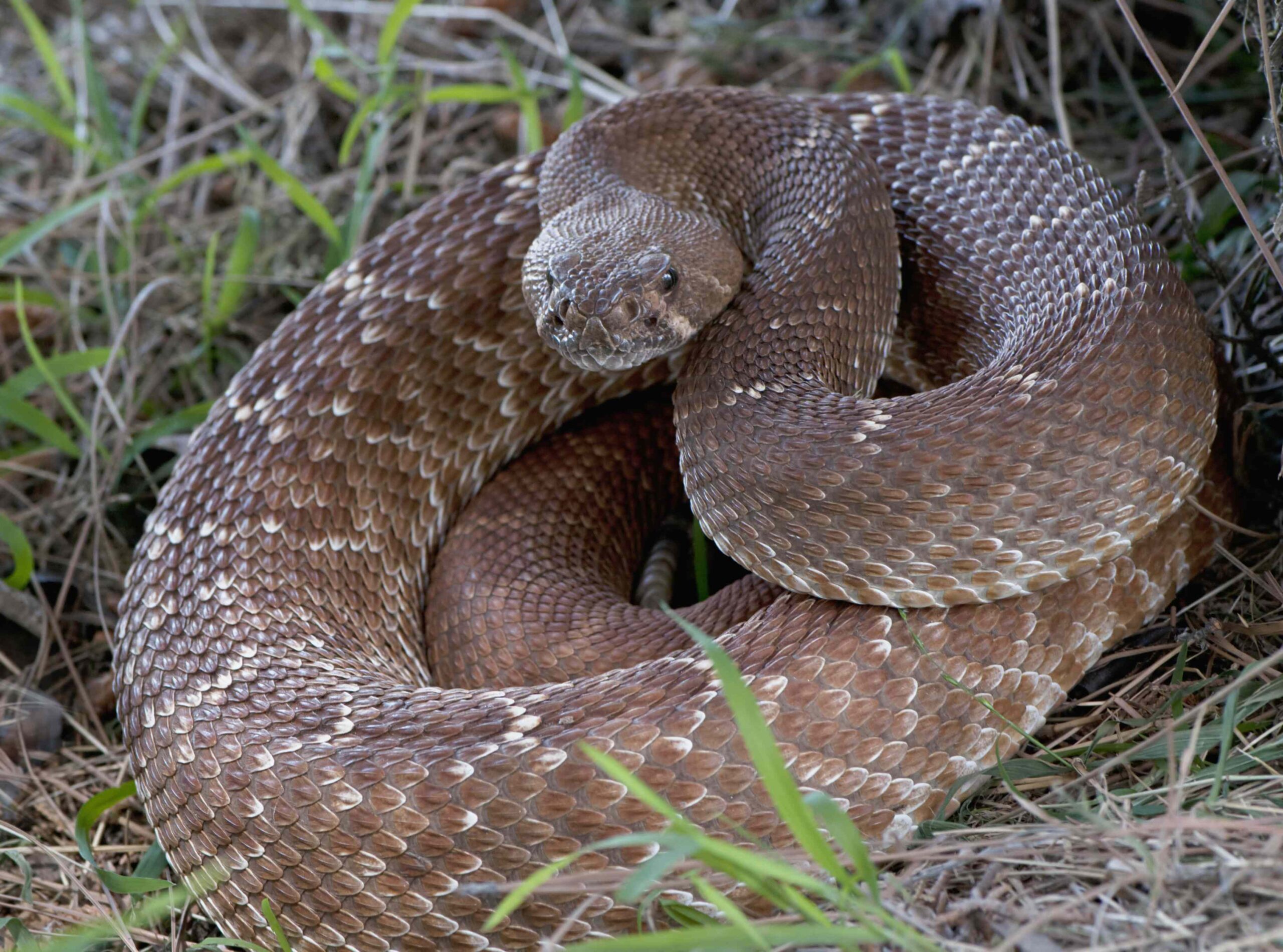
What to Do (and Avoid) When You Spot a Rattlesnake in Your Yard
Rattlesnakes in the United States
While many people associate rattlesnakes with the Southwest, these venomous creatures can be found in nearly every state across the U.S. Different species inhabit various environments depending on their specific needs. For example:
- Timber rattlesnakes, also known as canebreaks, live on mountains and in forests, swamps, floodplains, and cane thickets.
- The Eastern diamondback can be found in pine and coastal forests, barrier islands, and coastal plains.
- Pygmy rattlesnakes live in marshes, swamps, pine forests, and sandhills.
Despite their presence in different regions, rattlesnakes are generally shy and tend to avoid human interaction. Most encounters happen accidentally in wild areas.
Dealing with a Rattlesnake in Your Yard
Finding a rattlesnake in your yard is a different situation altogether. It’s important to remain calm but take necessary precautions to ensure the safety of yourself, your family, and your pets. Here are some steps you can take:
Keep Your Distance
The first rule when encountering a rattlesnake is to maintain a safe distance. Stay at least 5 feet away from the snake, as this is outside the range of a potential strike. Ten feet is even better. Avoid any attempt to catch or kill the snake, as more than half of venomous snake bites occur due to people handling or harassing the animal.
Bring Children and Pets Indoors
Before taking any action, make sure that all children and pets are safely indoors. A curious pet might approach the snake, leading to serious consequences. Keep them inside until you’re confident the snake has left your property.
Close Exterior Doors
Snakes may seek shelter in cool, dark places like sheds or garages. Close all exterior doors and seal any gaps that could allow a snake to enter. Ensure that all windows are tightly closed as well.
Remove Food Sources
Bird feeders and pet bowls can attract rodents and other small animals that rattlesnakes hunt. To reduce the likelihood of a snake being drawn to your yard, bring feeders indoors and keep trash cans sealed.
Step Carefully
Rattlesnakes often hide under rocks or in brush piles during hot afternoons. Be cautious when walking around your yard, especially near these areas. Avoid wandering through your yard during dusk and nighttime, when visibility is low and snakes are most active.
Call Animal Control or a Removal Service
If the rattlesnake is in a high-traffic area, it’s best to contact local animal control or a professional removal service. These experts can safely relocate the snake for you. If you live alone and don’t spend much time in your yard, you may choose to let the snake leave on its own. However, making your yard less attractive will encourage it to depart sooner.
Make Your Yard Less Appealing
To prevent future encounters with rattlesnakes, consider taking the following steps:
- Keep the grass cut short and remove weeds.
- Eliminate rock piles, brush piles, and other hiding spots.
- Trim back overgrown bushes.
- Add screens at the base of decks and porches. Seal any openings in your foundation.
- Avoid hanging bird feeders during the active season, which typically runs from spring through fall.
- Consider installing a snake fence. The mesh should be buried below ground and cover the bottom 3 feet of your fence.
By implementing these measures, you can significantly reduce the chances of a rattlesnake entering your yard and create a safer environment for everyone.