Euro weakens as investors fear Iran conflict surge
Euro Faces Pressure Amid Middle East Tensions
The euro is showing signs of vulnerability as investors focus more on the potential escalation of the Middle East conflict rather than the possibility of a ceasefire, according to ING’s Chris Turner. The Wall Street Journal reported that the Pentagon is considering sending up to 10,000 additional ground troops to the region, which Turner views as a worrying development. He emphasizes the need for greater attention to the role of Middle East investors in global capital markets. The region’s loss of access to energy revenues and new fiscal commitments at home are expected to tighten global financial conditions, which could negatively impact the pro-cyclical euro-dollar exchange rate. The euro fell 0.1% to $1.1518, with ING suggesting it might potentially drop below $1.1410-$1.1430.
Dollar Gains Strength Amid Uncertainty
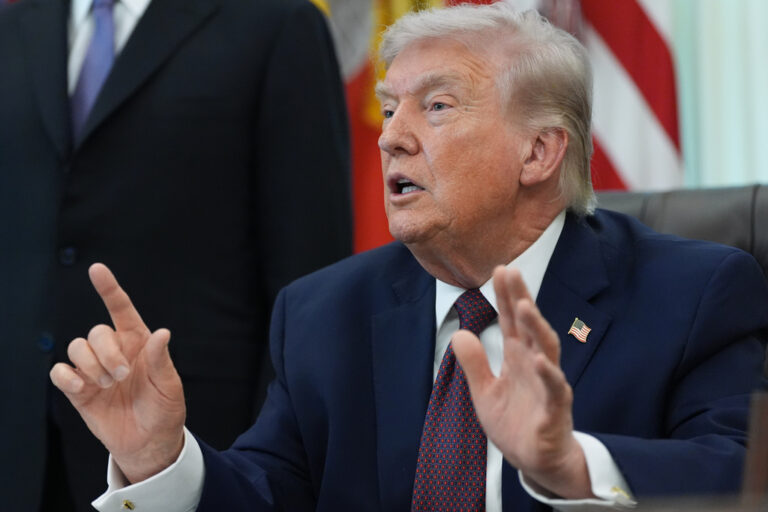
As doubts about an imminent resolution to the Middle East conflict persist, the dollar has turned higher. This uncertainty has boosted oil prices and safe-haven assets. President Trump’s decision to extend a pause on striking Iranian energy infrastructure for 10 days has not provided much relief, according to Turner. He notes that investors are aware of Iran’s position, having been attacked before during negotiations, and the 10-day delay offers little solace. Without conciliatory words from Iran, which seems unlikely, the dollar should remain supported while risky assets remain vulnerable. The DXY dollar index rose 0.1% to a four-day high of 100.028, with ING seeing potential for it to reach 100.50.
Sterling Weakens Despite Mixed Retail Sales Data
Sterling remained weaker against the dollar and the euro even after U.K. retail sales data showed a smaller-than-expected decline in February. Retail sales dropped 0.4% month-on-month in February, following an upwardly revised 2.0% rise in January. Economists had expected a 0.8% decline. However, the market’s focus is on the ongoing Middle East conflict, which is expected to increase U.K. inflationary pressures and potentially impact growth due to rising energy prices. Markets are treating pre-conflict data as backward-looking. Sterling fell 0.1% to $1.3317 after the data, compared to $1.3333 before the data, driven by a stronger dollar. The euro rose 0.1% to 0.8652 pounds, remaining largely unchanged from previous levels.
Asian Currencies Weaken Amid Concerns Over U.S. Involvement
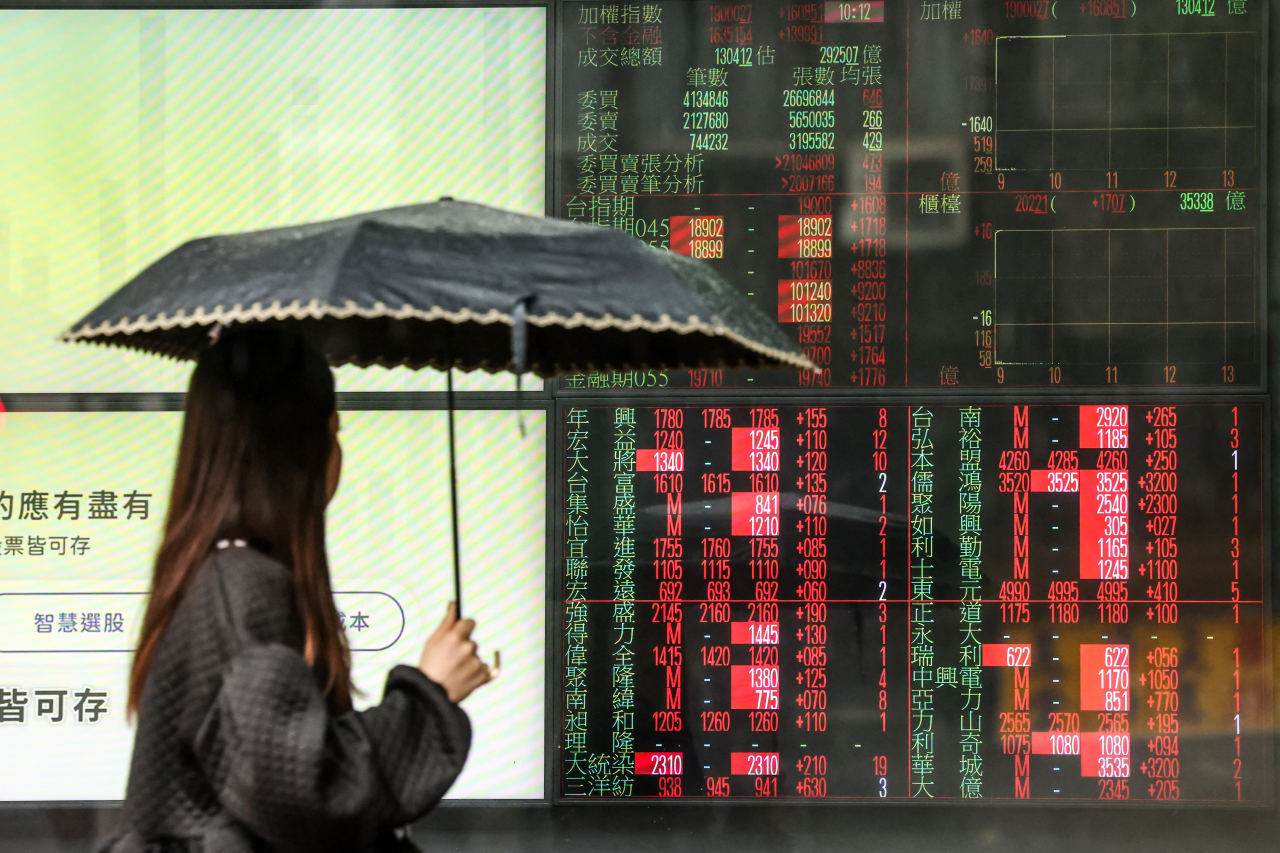
Most Asian currencies weakened against the dollar in the afternoon session in Asia. The Pentagon is reportedly considering sending up to 10,000 additional ground troops to the Middle East, according to the WSJ. Maybank analysts noted that markets remain anxious about a possible ground invasion of Iran that could prolong the conflict. The dollar reached record highs against the Indian rupee and Philippine peso, with the dollar rising 0.4% to 94.6230 rupees and 0.3% to 60.335 pesos.
Australian Dollar Faces Further Decline
Quek Ser Leang of UOB’s Global Economics & Markets Research suggests that the Australian dollar could continue to fall against the U.S. dollar based on technical charts. The Australian dollar broke below the lower end of a rising wedge pattern on Monday and tested the base of the daily Ichimoku cloud near $0.6870 on Thursday. Additionally, the weekly moving average convergence divergence indicator has been declining over recent weeks. A clear break below the $0.6850-$0.6870 support zone could lead to a sharp drop toward $0.6765. The Australian dollar was 0.3% higher at $0.6904.
Prolonged Conflict Risks Remain High
MUFG Bank’s Lloyd Chan states that risks are skewed toward a more prolonged Middle East conflict. The VIX, often referred to as Wall Street’s “fear gauge,” remains below the peaks seen during the early stages of the Russia-Ukraine war and the post-“Liberation Day” tariff shock. This suggests that markets may still be underpricing the tail risk of a more escalatory or prolonged conflict. Asian currencies most dependent on energy imports, such as the Korean won and Japanese yen, are particularly exposed. The Philippine peso and Thai baht are also considered highly vulnerable. The dollar was 0.2% lower at 159.54 yen and 0.2% higher at 1,510.70 won.
Asian Currencies Consolidate Amid Geopolitical Focus
Asian currencies have consolidated against the dollar as traders focus on developments in the Middle East. UOB’s Global Economics & Markets Research team notes that markets are likely to remain sensitive to geopolitical and macroeconomic risks. Investors will closely watch for any follow-through in oil prices amid concerns about supply disruptions related to the Middle East conflict, as well as for signs of de-escalation. The dollar edged 0.1% lower to 159.71 yen but remained little changed at 60.2529 Philippine peso.
Yen’s Upside Limited Despite BOJ Stance
Despite the Bank of Japan’s (BOJ) hawkish stance, Rinto Maruyama of SMBC Nikko Securities suggests that the yen’s upside may be limited. He explains that yen gains could be capped if other central banks outpace the BOJ’s rate hikes or retreat from previously expected rate cuts, especially amid rising oil prices. The BOJ’s new measure shows that underlying consumer inflation was 2.2% in February, remaining above its target and justifying its rate-hike path. The dollar was last trading at 159.70 yen.