Trump’s Iran Speech Overlooks 1970s Risks
The Lasting Impact of the 1970s Energy Crises on American Politics
The energy crises of the 1970s left a deep and lasting mark on American politics. These events reshaped public perception of government, economic policy, and the role of energy in national security. Today, as oil prices rise sharply and global tensions escalate, the echoes of that era are once again resonating through the political landscape.
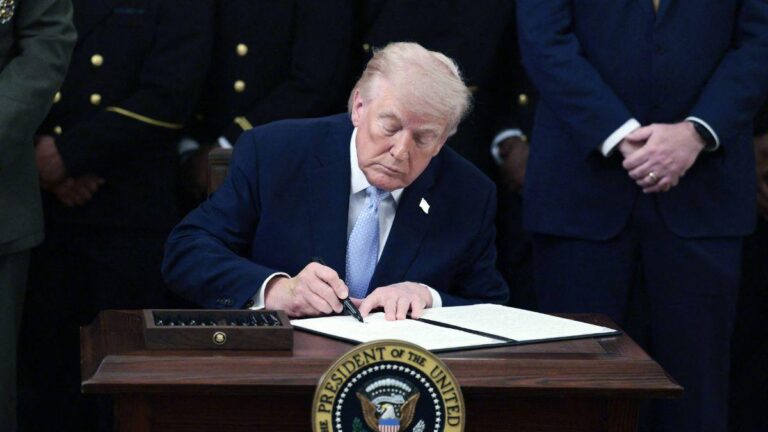
President Donald Trump is set to address the nation about the ongoing conflict with Iran, adopting a tone of confidence and strength. However, the lessons of the past suggest that the current situation may not be as easily resolved. The energy crises of the 1970s demonstrated how quickly public sentiment can shift, and how deeply economic instability can affect political outcomes.
Jay Hakes, a presidential historian who led the U.S. Energy Information Administration during the Clinton administration, notes that the oil shocks of the 1970s were deeply ingrained in the national psyche. “It was there for a long time because it was just such a jolt,” he said. “And I think this will be that kind of jolt.”
Gas prices have climbed above $4 per gallon for the first time since the war began, reflecting the broader trend of rising energy costs. Brent crude prices have surged by 27% since the conflict started, reaching over $100 per barrel. This has led to disruptions in global trade, particularly in the Strait of Hormuz, which normally carries 20% of the world’s oil. Iranian threats and attacks have forced many commercial ships to halt their operations, exacerbating supply chain issues.
While $4 a gallon gas is painful for American consumers, it may only be the beginning. Other regions, particularly Asia and Europe, are feeling the effects more acutely. The U.K. is set to receive its last shipment of jet fuel for the foreseeable future, while global jet fuel prices have risen by 96%. Liquid natural gas prices in Japan and South Korea have jumped by 43%, according to recent data.
The interconnected nature of global markets means that disruptions in one region can quickly spread to others. Analysts warn that oil prices could surpass the record high of nearly $150 per barrel seen in July 2008 during the Great Recession.
So far, the world has been able to manage the crisis by relying on energy supplies already in transit and emergency releases from strategic petroleum reserves. However, these reserves are being depleted rapidly. International Energy Agency Executive Director Fatih Birol noted that the loss of oil in April will be twice that of March, even with modest estimates.
Energy Conservation Efforts Amid Crisis
In response to the growing energy crisis, governments around the world are encouraging energy conservation. According to an IEA tracker, 26 governments have taken steps such as lowering speed limits in Pakistan. However, President Trump has focused more on improving supply rather than urging Americans to conserve energy. This approach avoids comparisons to President Jimmy Carter’s efforts after the 1979 crisis, which were later used against him by Ronald Reagan.
Trump has also been critical of renewable energy initiatives, opposing subsidies and construction projects. This stance contrasts with the earlier era when presidents, including Republicans, called for shared sacrifice. For example, President Richard Nixon proposed a national speed limit of 55 mph following the 1973 Arab Oil Embargo. Although the law was passed, Nixon had already urged people to slow down, and they did.
The energy crises of the 1970s marked the end of the World War II-era mentality of shared sacrifice. Nixon and Carter struggled to control inflation, which eventually led to the appointment of Paul Volcker as Federal Reserve chair. His aggressive interest rate hikes eventually tamed inflation but at the cost of a recession and high mortgage rates. Carter lost his re-election bid, and the public’s faith in government was significantly shaken.
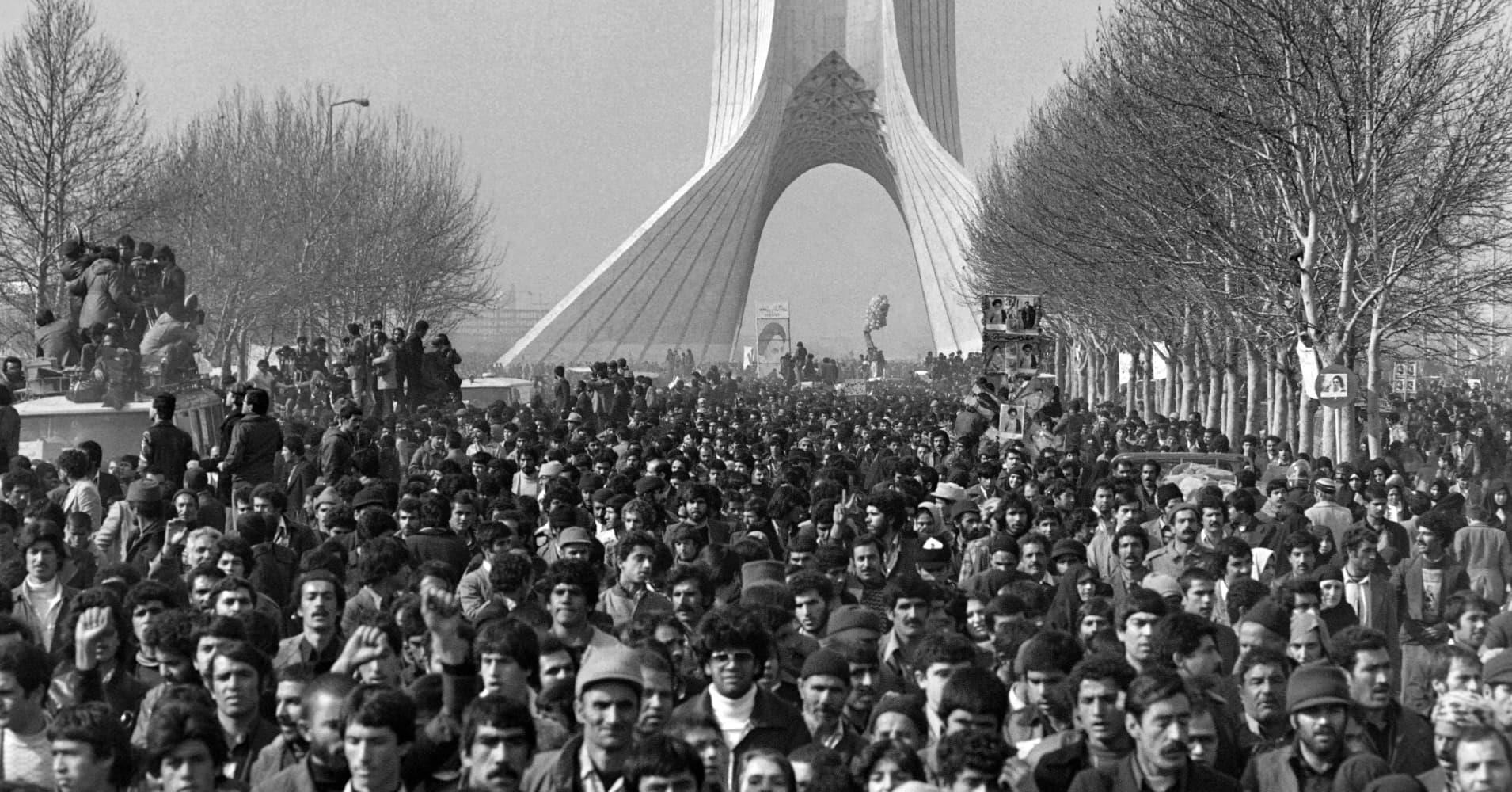
Historian Meg Jacobs, in her book “Panic at the Pump: The Energy Crisis and the Transformation of American Politics in the 1970s,” wrote that the energy crisis showed Americans that their government didn’t work. This sentiment has continued to shape political discourse, with many citizens skeptical of government effectiveness.
Today, Trump’s presidency is built on the premise that only he can fix the system. “Nobody knows the system better than me, which is why I alone can fix it,” he stated at the 2016 Republican National Convention. He has centralized power within the White House, reducing the autonomy of cabinet secretaries and agencies.
While the worst-case scenarios may not come to pass, the potential for prolonged conflict and economic instability remains. If the situation worsens, Trump’s decision to go to war in Iran could deepen public alienation from the government. As the sole decision-maker, he may struggle to convince the public that anyone other than himself is responsible for the outcomes.