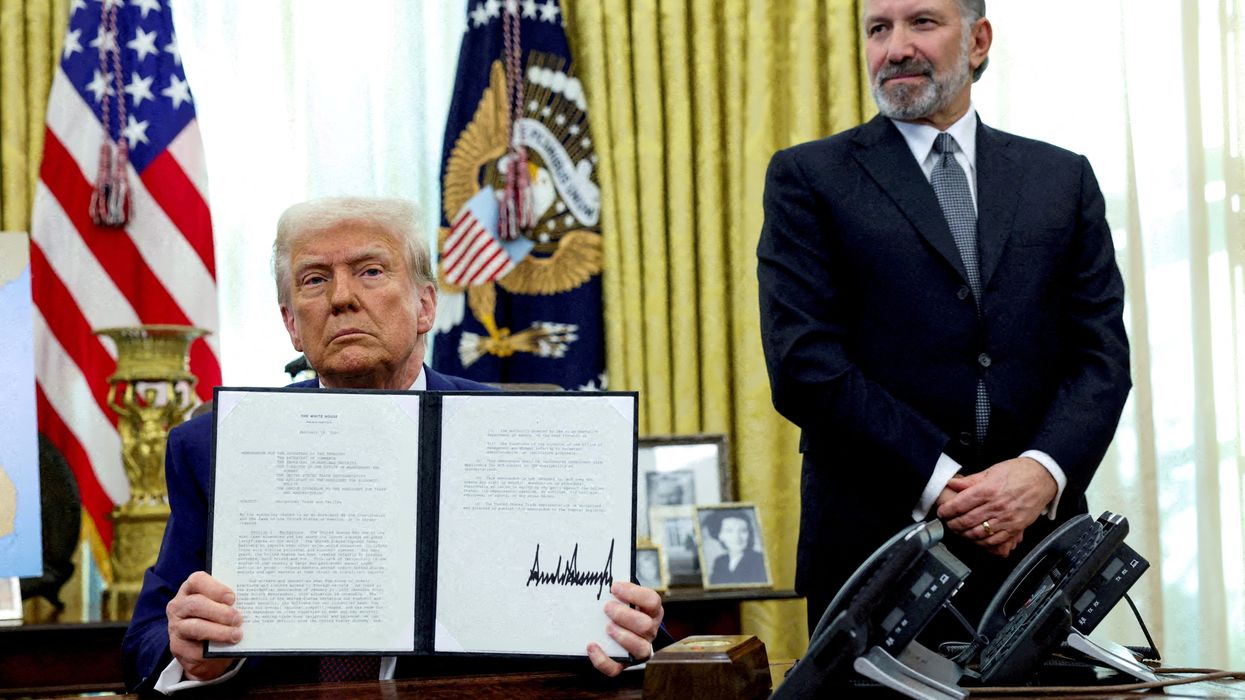
Trump’s Tariff Stance Unshakable, Analyst Warns
The Unwavering Stance of Donald Trump on Tariff Policy
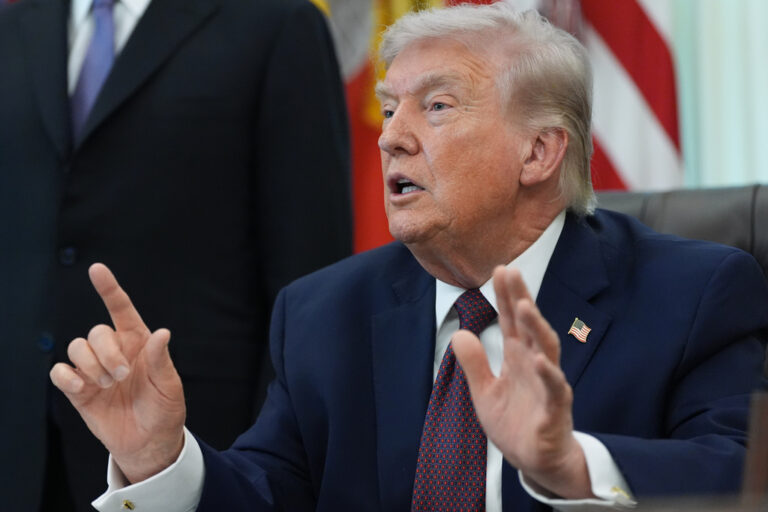
Donald Trump has shown no signs of backing down from his controversial tariff policy, according to a political analyst. This stance has raised concerns about the potential impact on the U.S. economy and international trade relations. The tariff policy in question is believed to have violated the International Emergency Economic Powers Act, a law enacted in 1977 that outlines the president’s emergency authority over economic matters.
Heather Digby Parton, a writer for Salon, has expressed her views on the matter, suggesting that Trump will not be dissuaded from implementing tariffs during his second administration. She argues that there is little chance of persuading him to abandon this economic strategy.
Parton’s analysis highlights how Trump’s use of tariffs has become a game of expectations and market manipulations. She notes that he often uses tariffs to punish those who challenge him and to reward allies who provide him with gifts such as gold bars and expensive airplanes. This approach has created a sense of uncertainty in the financial markets.
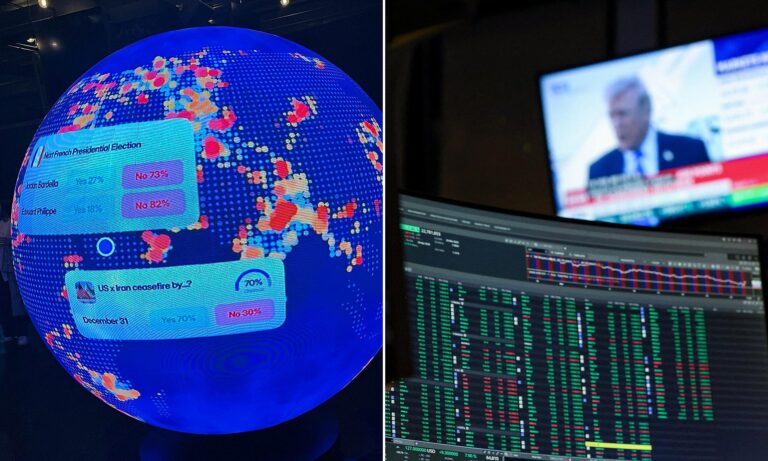
The situation has led to significant speculation among investors, with some openly trading based on what appears to be insider information about the U.S.-Israeli conflict in Iran. This has resulted in a surge in profits for well-connected individuals, who are taking advantage of the TACO dynamic—trading on the tension between the U.S. and Israel.
Economic Consequences of the Tariff Regime
The immediate consequences of the tariff regime have been felt across the American economy, which has seemingly entered a state of suspended animation. Parton suggests that this halt is due to Trump’s inability to recognize that his plan is flawed. She explains that Trump’s understanding of trade deficits is limited, as he equates them to budget deficits. He has never grasped the concept that trade involves equal exchanges of goods with different countries.
According to Parton, Trump believes that if a country exports cars to the U.S., it should also import the same number of cars or pay a substantial tariff to balance the trade. This belief has persisted for over 40 years, and there is little hope of changing his mind.
Market Reactions and Global Impact
The announcement of the tariff policy triggered a global stock market panic, leading to the largest decline since the 2020 pandemic-related crash. In the following two days, the Dow fell by 9.48%, the S&P 500 dropped by 10%, and the Nasdaq declined by 11%. These declines were not limited to stocks; oil prices, the dollar, and even gold experienced losses. Investors were taken aback by the perceived unsophisticated and harsh nature of the policy, especially considering that Trump had only been in office for a little over two months.
Additional Insights and Concerns
Several articles have highlighted the negative implications of Trump’s policies. One article titled “Americans were sold fool’s gold” critiques Trump’s broken promises, while another, “This will hurt us all,” features a Nobel laureate delivering a devastating verdict on Trump’s crackdown.
The U.S. job market has also suffered, with the latest figures showing a crash to the lowest level since the pandemic lockdowns. Some experts have drawn comparisons to the 2008 financial crisis, pointing out an overlooked economic problem that could have far-reaching consequences. Additionally, the current inflation figures have been described as the worst of both worlds, further fueling criticism of Trump’s economic policies.