Moore Challenges Trump on Gas Prices and Cost-Cut Claims
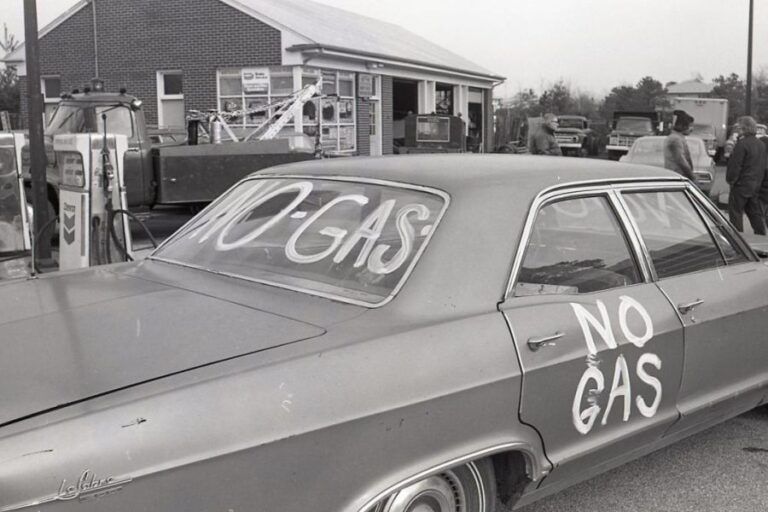
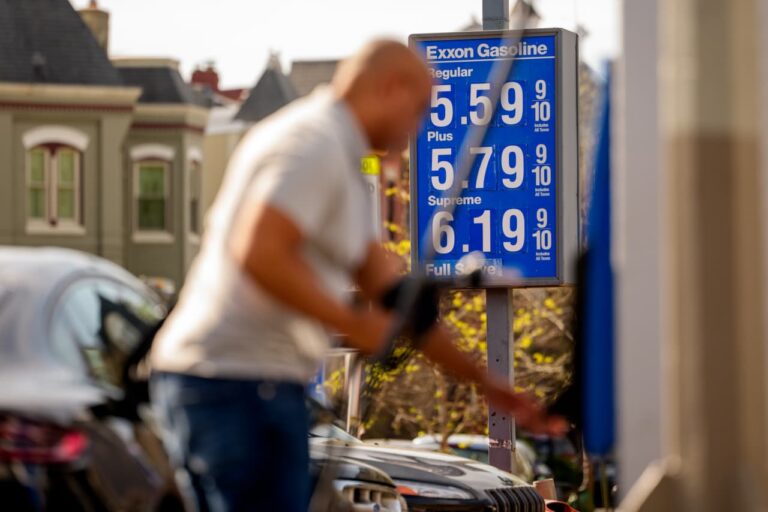
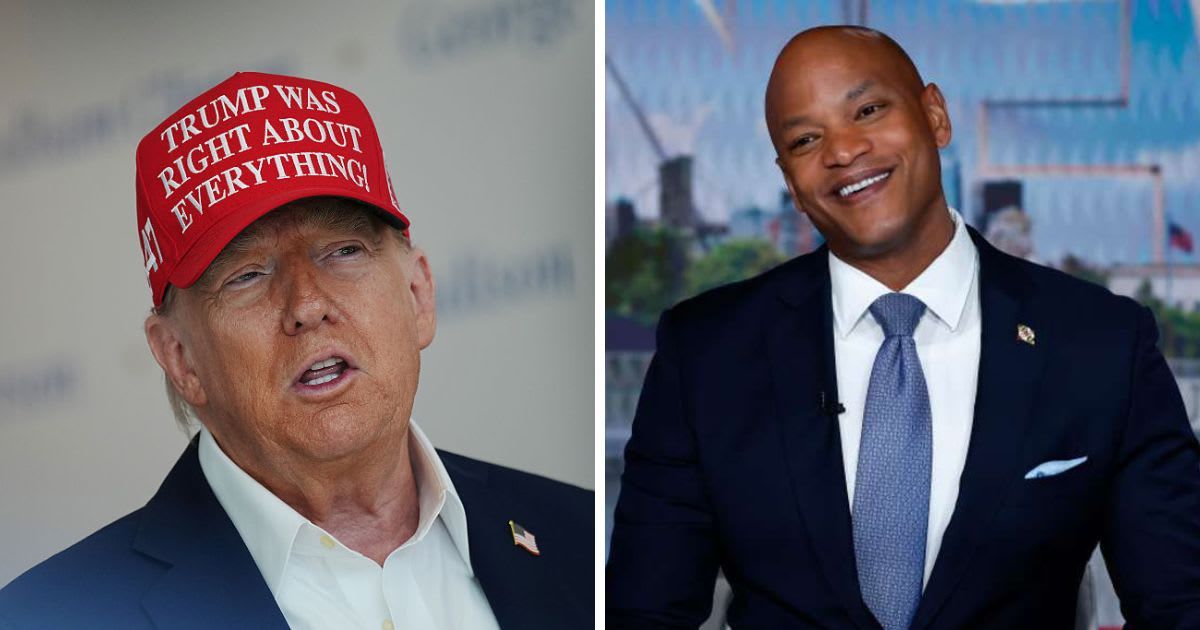
Governor Wes Moore of Maryland recently voiced concerns regarding the rising cost of gasoline and broader economic challenges, questioning the federal government’s approach to addressing these issues. Speaking with CBS News, Moore highlighted the impact of global conflicts on energy markets and emphasized that states have limited control over fuel costs.
Moore pointed out that while governors are responsible for managing state-level responses, they do not have direct control over key drivers of energy costs. He noted that households are already feeling the impact, citing a sharp increase in utility bills over the past year. “Governors don’t have full control over that,” Moore said, adding that state leaders “can’t control the fact that gas prices have gone up now over $1 because we decided to enter into another war of choice.”
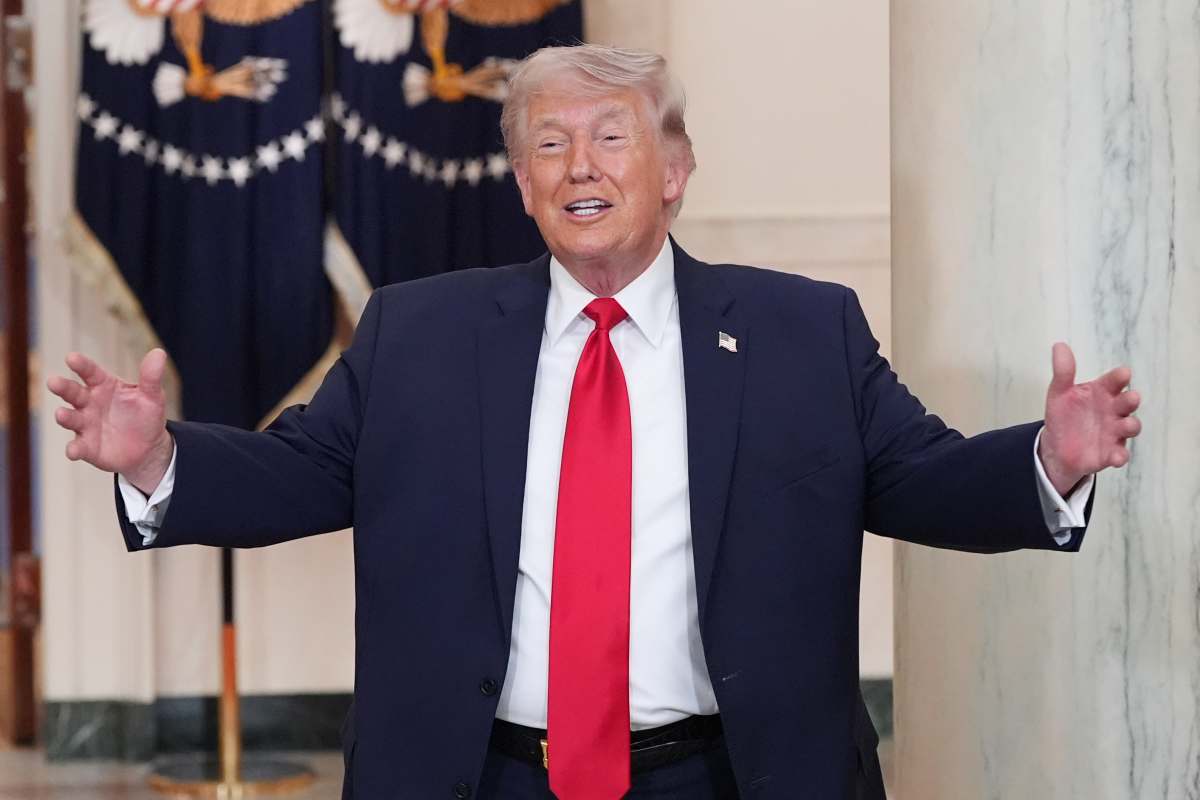
He also addressed the president’s claim that gas prices could ease in the near term, stating he differs with that outlook. “No, I disagree, because I think the president still does not have a full articulation as to why gas prices are going up in the first place, or what’s going to be necessary or required to be able to bring them down.”
Moore linked the issue to broader policy decisions, arguing that foreign conflicts can have direct economic consequences at home. He added that the most effective way to address rising fuel costs would be to avoid prolonged military engagements, stating, “the best thing that we could do to be able to address gas prices is by stop fighting foreign wars.”
State-level measures focus on relief as Moore calls for policy clarity
While emphasizing limits on state authority over global energy markets, Moore outlined steps his administration has taken to mitigate the impact on residents. He said Maryland has focused on consumer protection and targeted economic relief. Moore said the state has implemented tax policies designed to support middle-income households.
“We’ve actually given the middle class in Maryland a tax cut,” he said, adding that the approach includes asking higher-income residents to contribute more toward public investments.
Moore also raised broader concerns about the direction of U.S. policy, particularly in relation to foreign conflicts. He referenced past conflicts, noting their financial and human costs, and questioned whether the current strategy has been fully defined.
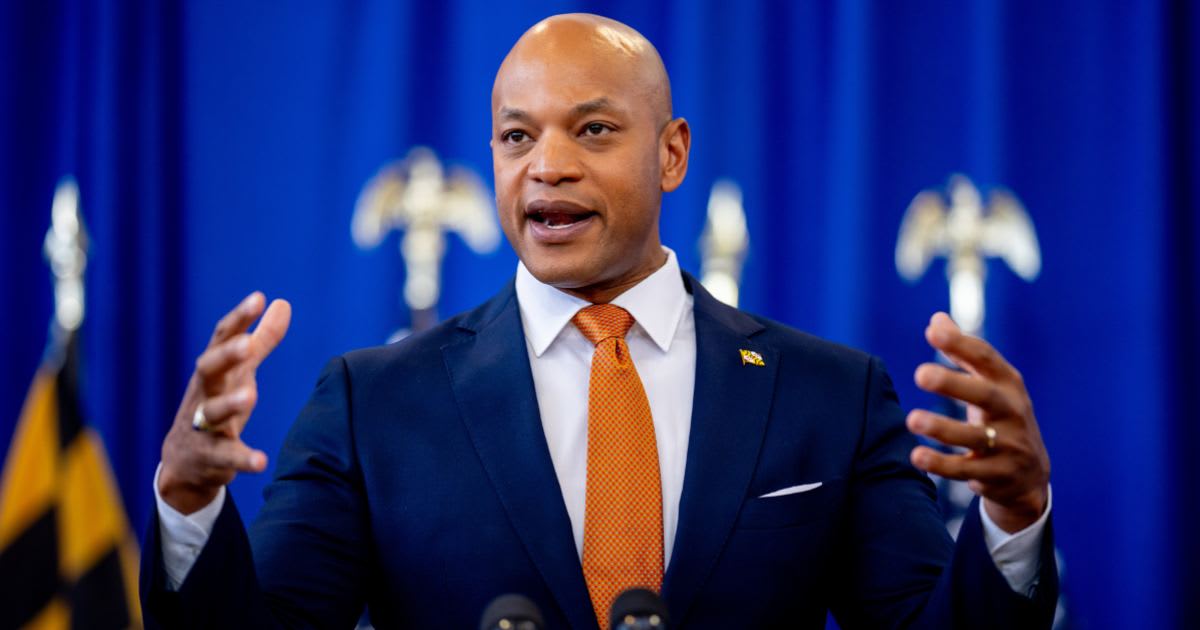
Moore said there remains uncertainty about long-term goals, adding that “the president of the United States and the commander in chief has still yet to articulate what exactly it is that we’re doing.” He also expressed concern for military families amid ongoing operations, saying he is “praying for these families” while calling for clearer communication from the administration.
Moore’s comments reflect a growing frustration among state leaders about the lack of clarity and consistency in national policy. He emphasized the need for a comprehensive strategy that addresses both immediate and long-term economic challenges. This includes not only tackling the root causes of rising gas prices but also ensuring that the burden on everyday Americans is minimized.
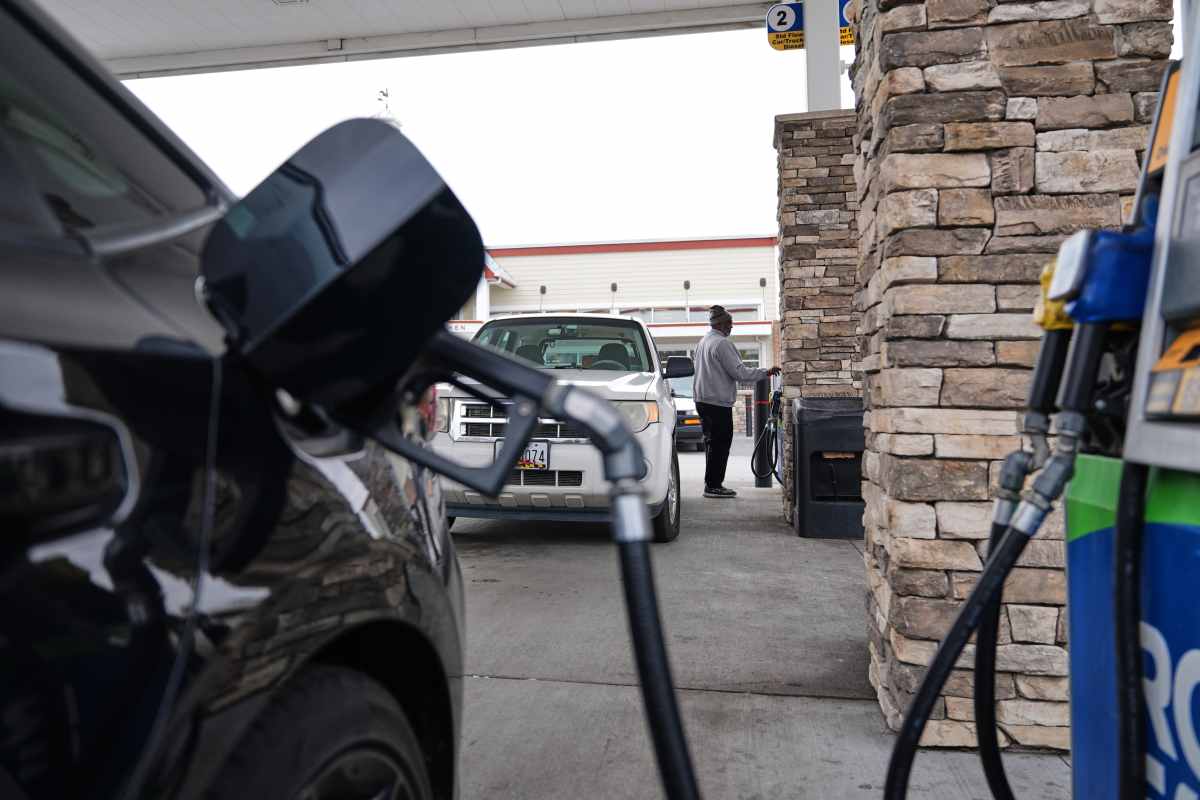
The governor’s remarks come at a time when many households are struggling with higher costs for energy, housing, and everyday expenses. Moore stressed the importance of state-level initiatives that provide relief and support to those most affected. These efforts include tax cuts for middle-income families and increased funding for public services.

In addition to economic concerns, Moore highlighted the need for a more transparent and coherent approach to foreign policy. He argued that the current administration must clearly define its objectives and strategies, especially in light of ongoing conflicts. This includes providing support for military families and ensuring that the costs of these engagements are fairly distributed across the population.
Overall, Governor Moore’s statements underscore the complex interplay between national policy, global events, and the daily lives of American citizens. His call for clarity and accountability reflects a broader demand for leadership that addresses both immediate challenges and long-term goals.